

 By
By Abuja, Nigeria
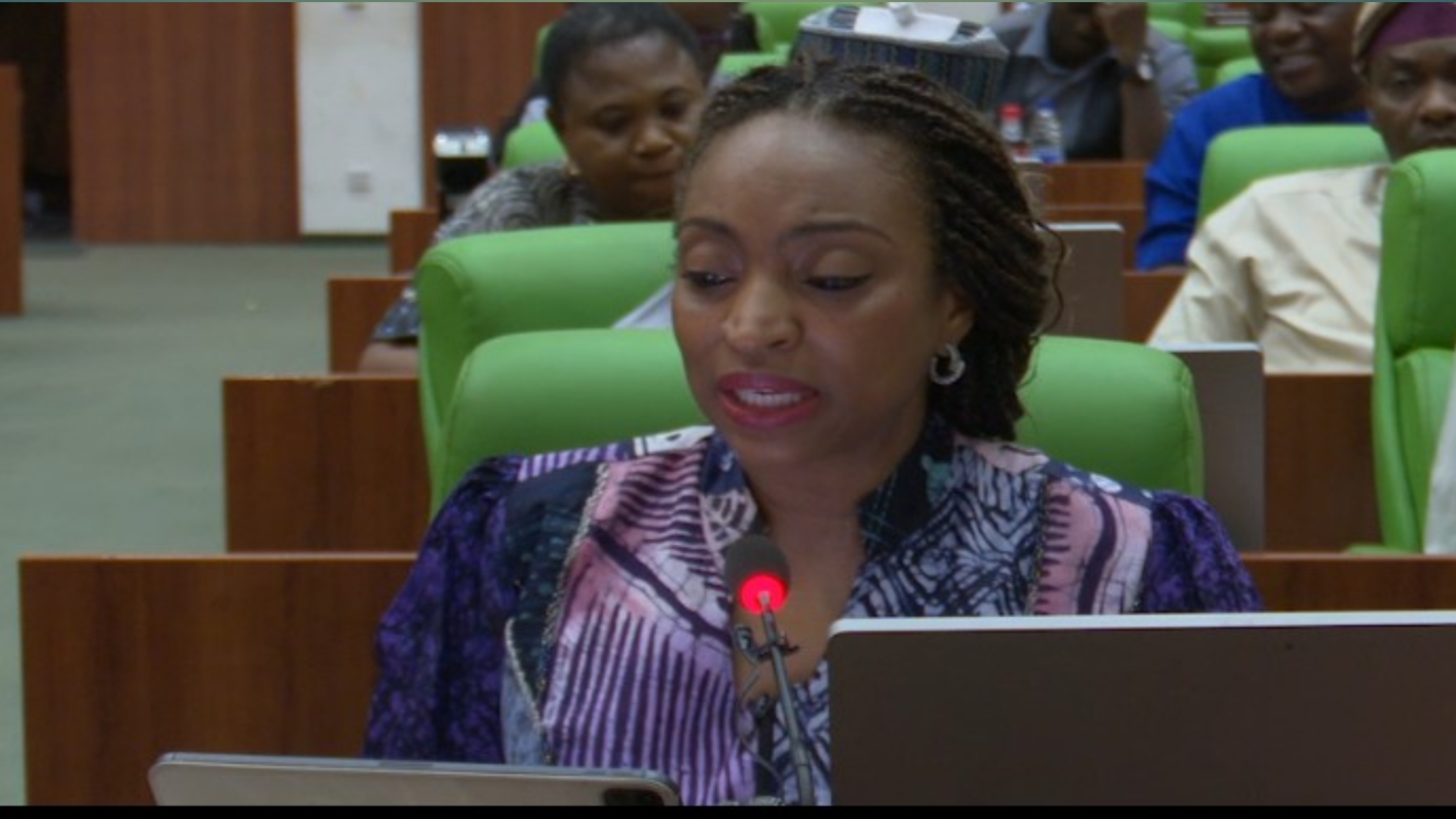
Nigeria’s total capital importation rose to approximately $21 billion in the first 10 months of 2025, marking a sharp increase from about $12 billion in 2024 and less than $4 billion in 2023, the Minister of Industry, Trade and Investment, Dr. Jumoke Oduwole, has said.
Presenting performance highlights during the 2026 budget defence before the Joint House of Representatives Committee on Commerce in Abuja, Oduwole described the growth as evidence of renewed investor confidence and the impact of targeted reforms under President Bola Tinubu’s Renewed Hope Agenda.
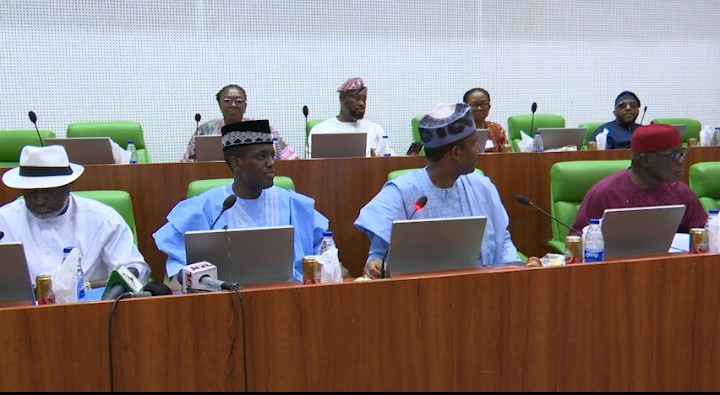
She attributed the recovery to deliberate ministry interventions, including the curation of over $5 billion in bankable projects, the establishment of sector-specific deal rooms, and the hosting of Nigeria’s inaugural Domestic Investors’ Summit.
The minister disclosed that the ministry also undertook more than 100 bilateral investment engagements across key global markets, including the United Arab Emirates, Brazil, Japan, the United States, and the United Kingdom.
“Sustained engagement under the Nigeria–UK Economic and Trade Partnership, which commenced in the second quarter of 2024, yielded tangible results, with UK investors accounting for approximately 65 per cent of Nigeria’s foreign capital inflows in 2025,” she added.
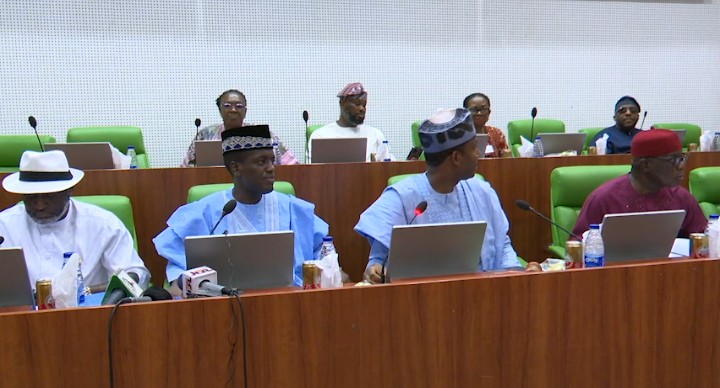
She stressed that the 2026 budget framework prioritises implementation — advancing industrial policy through value chain development, industrial clusters, and the expansion of Special Economic Zones, as well as strengthening trade facilitation and investment promotion.
“The emphasis remains ‘Nigeria First’, prioritising local production, supporting non-oil exports, and deepening domestic investment,” she said.
Earlier, Chairman of the Committee, Rep. Ahmed Munir (APC–Kaduna), assured the ministry of legislative backing but emphasised that the National Assembly would prioritise value-for-money and measurable economic impact over mere budget utilisation.
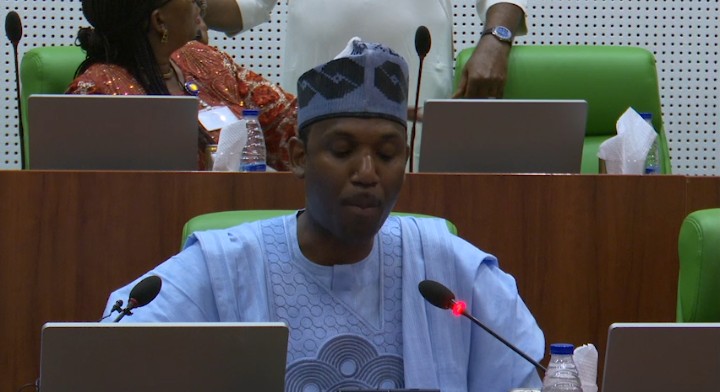
He said 2025 was a year of “surviving the storm,” adding that the focus must now shift to “commanding the sea” by transforming Nigeria from a consumption-driven economy into a production powerhouse.
“With the African Continental Free Trade Area fully operational, Nigeria cannot afford to be a spectator. We must invest strategically in standardisation, certification, digital trade infrastructure, and export readiness,” he said.