

 By
By Abuja, Nigeria
The House of Representatives Committee on Public Procurement has called for increased funding for the Bureau of Public Procurement (BPP) in the 2026 fiscal year to accelerate Nigeria’s transition to a fully electronic procurement system.
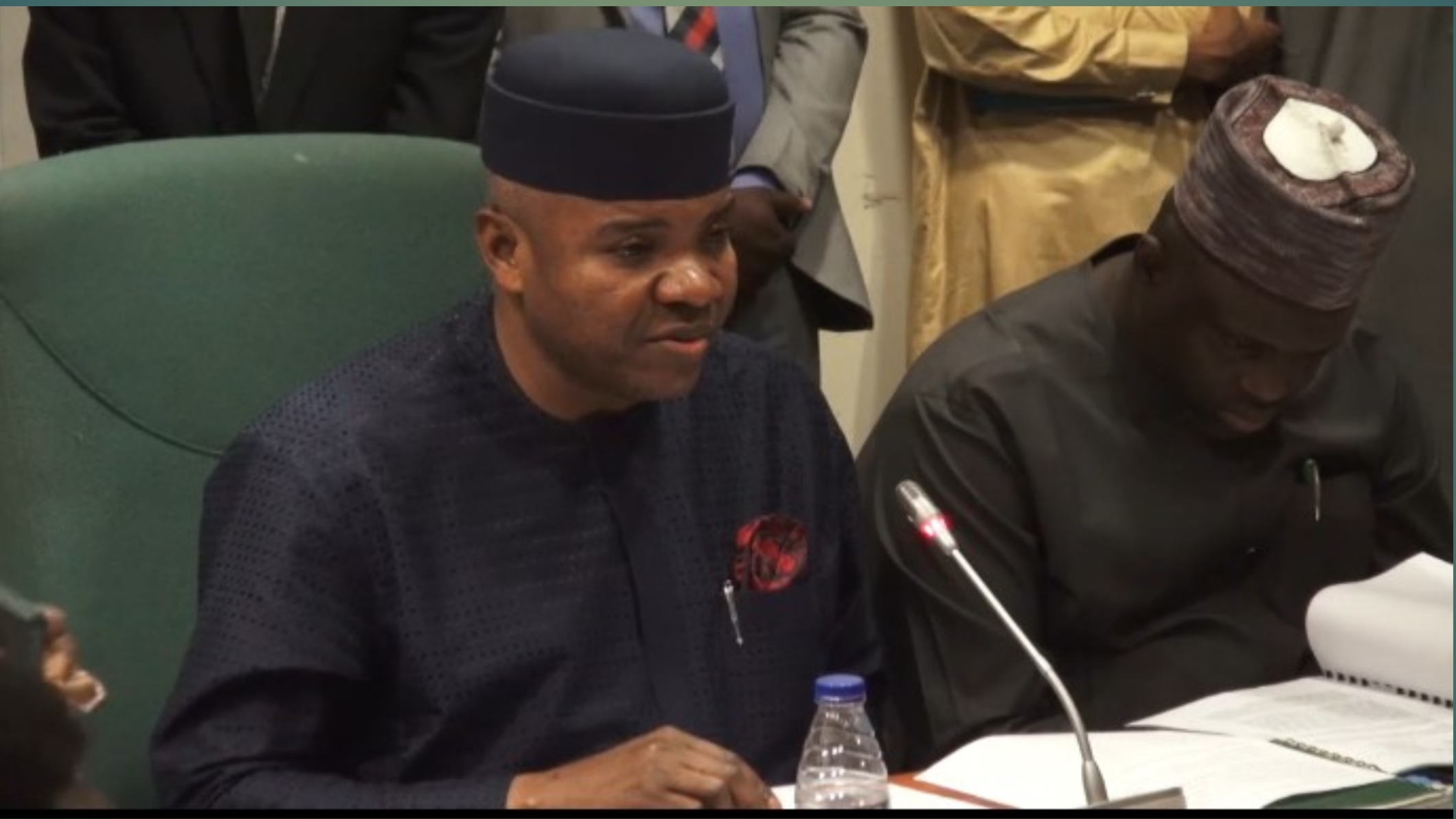
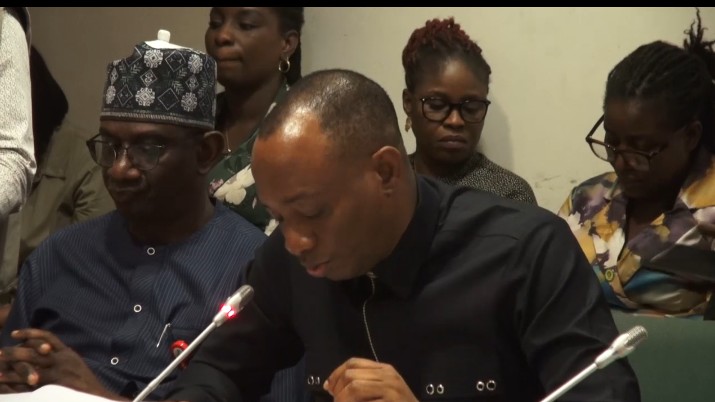
Chairman of the committee, Hon. Unyime Idem, made the appeal during the presentation of the agency’s 2026 budget estimates before the National Assembly. He described the Bureau as a critical institution under the Public Procurement Act 2007 responsible for ensuring transparency, accountability, due process and value for money in public spending.
However, Idem cautioned the agency against repeatedly budgeting for electronic transmission and digital procurement infrastructure, noting that similar funds had been approved in previous years. He directed the Bureau’s management to ensure that such provisions do not continue to appear as recurring expenditure items.
The committee also urged the agency to submit a comprehensive proposal for the amendment of the Public Procurement Act 2007, stressing that nearly two decades after its enactment, changing realities in digital procurement and global best practices require an update of the law.
Presenting the proposal, the Director-General of the Bureau, Dr. Adebowale Adedokun, said the agency proposed N32.18 billion for the 2026 fiscal year. He explained that the budget focuses on digitalising procurement processes and strengthening transparency across Ministries, Departments and Agencies (MDAs).
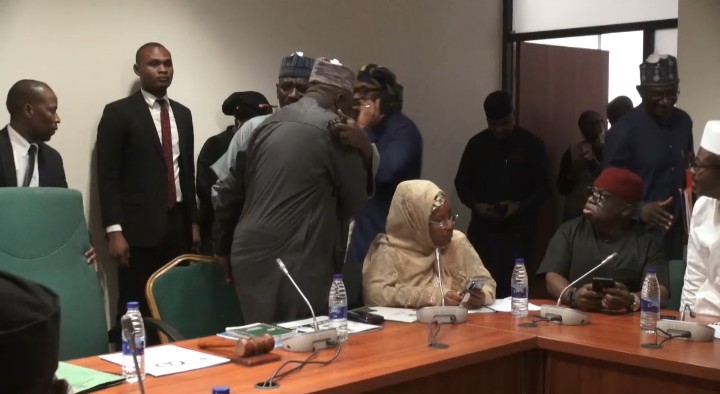
According to him, the proposal includes N17.87 billion for capital expenditure, N8.47 billion for overhead costs and N5.84 billion for personnel. Adedokun added that the Bureau plans to deploy an e-procurement platform that will eliminate manual submissions from MDAs beginning March 1, 2026, with about 20 agencies expected to be onboarded by September 2026.
He noted that the budget also provides for amendment of the procurement law, development of sector-based procurement practices, contractor categorisation, procurement audits and monitoring, as well as affirmative procurement policies promoting participation of women-owned businesses, small and medium enterprises, youths and persons with disabilities.
The committee assured the Bureau of constructive oversight and thorough consideration of its proposals in the interest of good governance.