

 By
By A coalition of civil society organisations has called on the Nigerian government to introduce mandatory salt reduction targets and front-of-pack warning labels on processed foods to protect consumers from diet-related diseases.
In a joint statement to mark the March 15 World Consumer Rights Day, the Network for Health Equity and Development, Centre for Communication and Social Impact and Corporate Accountability and Public Participation Africa warned that Nigeria is facing a growing burden of non-communicable diseases linked to unhealthy diets.
The groups noted that about 29 per cent of deaths in Nigeria are caused by non-communicable diseases, including hypertension, heart disease and kidney failure, adding that excessive salt consumption remains a major risk factor.
According to the coalition, the average Nigerian consumes about 10 grams of salt daily, almost double the 5-gram daily limit recommended by the World Health Organization.
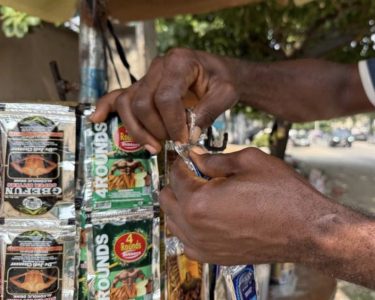
The organisations argued that consumers are often unable to identify foods with high salt content because nutritional information is usually buried in complex labels at the back of packages.
They therefore urged authorities, including the Federal Ministry of Health and Social Welfare, National Agency for Food and Drug Administration and Control, Federal Competition and Consumer Protection Commission and Standards Organisation of Nigeria, to enforce mandatory salt targets and introduce clear front-of-pack warning labels.
While commending the ministry for launching the National Guidelines for Sodium Reduction in 2025, the coalition stressed that Nigeria must move from voluntary guidelines to enforceable regulations to achieve the national target of reducing salt intake by 30 per cent by 2030.
The groups also called for restrictions on the marketing of ultra-processed foods to children, stronger product monitoring and wider public education to encourage healthier dietary choices.
They maintained that clearer food labelling and stronger nutrition policies are critical to ensuring safer food products and protecting the health of Nigerian consumers.