

 By
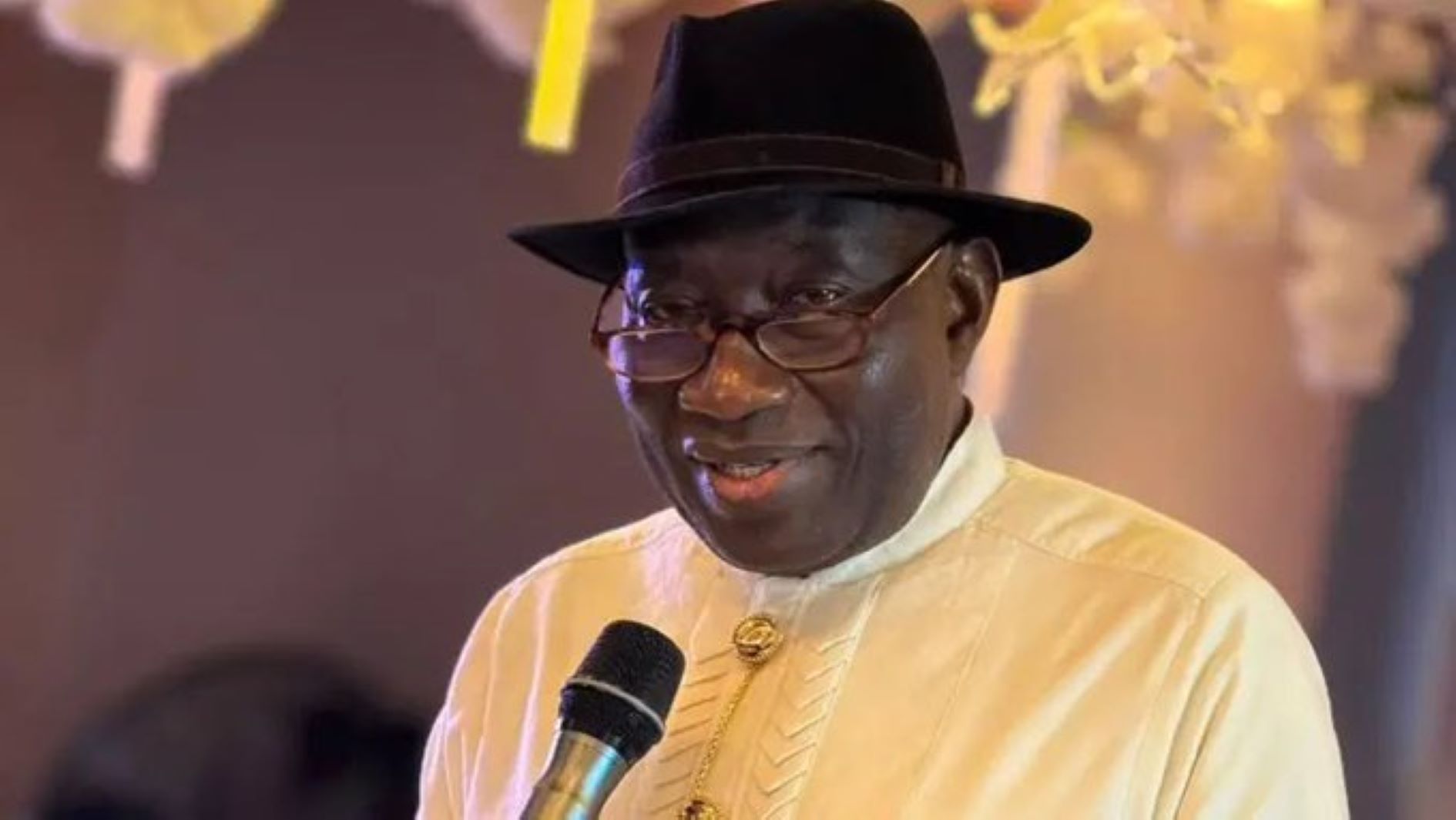
By Three days after Osun State went to the polls, former President Goodluck Jonathan has turned his attention not to who won, but to how the campaign around it was fought, specifically, the sight of governors and senior political figures descending on the state in numbers, trailed by aides and security details, in the days leading up to the vote.
In a statement personally signed and posted to his X handle on Tuesday, titled “Osun and the need to set new boundaries for political conduct in off-cycle elections,” Jonathan opened by giving credit where he felt it was due. He praised INEC, security agencies, political parties and Osun residents for what he called a peacefully conducted election, one that he said showed Nigeria still has the capacity to run a credible process. But the compliment came with a caveat that formed the real spine of his statement: a pattern he has now watched play out three times this year, in Osun, Ekiti and Ondo alike, and one he does not want to see become routine.
Campaigning and mobilising supporters, he acknowledged, is simply what political parties do, a normal and necessary part of democracy. The trouble starts, in his telling, when that mobilisation stretches to include serving governors and senior public officeholders arriving from outside the state in force, accompanied by aides and heavy security. At that point, he suggested, the atmosphere shifts, from campaign energy to something closer to pressure, even intimidation, hanging over ordinary voters on election day.
It’s a concern Jonathan says he has acted on before. As president, he recalled being briefed about senior political leaders massing in Anambra ahead of the 2013 governorship election, and again in Ekiti in 2014, and in both cases, he said, he simply ordered them to leave. That anecdote sat at the centre of his broader argument: that Nigeria has, in the past, drawn a line here, and that the line is worth redrawing now before the practice hardens into precedent.
What worries him most is where an unchecked pattern leads. If one party’s show of force in a competitive state becomes normal, Jonathan warned, rival parties will likely feel compelled to match it in the next contested election, and the one after that, turning what should be a peaceful contest for the people’s mandate into a test of which side can mobilise more political muscle. He was careful to frame this as bigger than any single result in Osun, describing it instead as a structural question for Nigerian democracy that deserves attention beyond partisan lines.
To that end, Jonathan is pushing for the National Peace Committee to convene stakeholders, political parties, INEC, security agencies and other relevant bodies, to work out clearer, shared standards for how much political presence is appropriate around an election, before the next off-cycle poll arrives.
Osun’s result itself is not in dispute, as INEC returned Governor Ademola Adeleke of the Accord Party for a second term after he polled 511,067 votes against 444,815 for the APC’s Bola Oyebamiji, with the ADC’s Najeem Salaam placing third in a field of sixteen candidates. Jonathan’s statement leaves that outcome untouched, directing its concern instead at the conduct surrounding the contest, the entourages, the security convoys, the sense, as he put it, that elections should remain contests of ideas rather than displays of power.