

 By
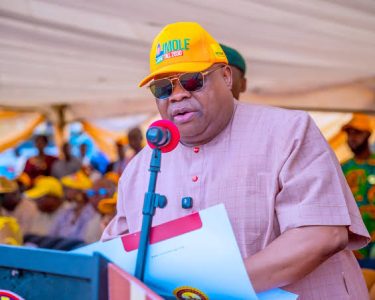
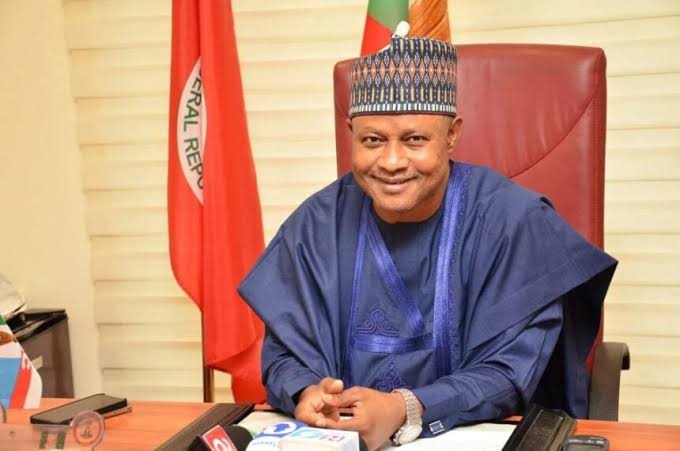
By Uba Sani wants Kaduna residents to know exactly where their money is going, and just as pointedly, where it isn’t coming from. Speaking on Channels Television’s Politics Today on Thursday, the state’s governor made a claim he clearly wanted on record, noting that since taking office in May 2023, his administration has not borrowed a single naira.
“Since I became governor, I’ve not borrowed one kobo,” Sani said, a line delivered with the confidence of a man who’s done the math and wants everyone else to do it too.
The Executive Governor of Kaduna State contended that Kaduna is still paying about ₦6.7 billion every month to service debts racked up by administrations before his, an obligation Sani neither denies nor tries to spin away. Instead, he frames it as the cost of discipline to keep paying what’s owed, not add to the pile, and be deliberate about where the rest of the money goes. “It’s about being prudent. It’s about selecting or being very careful in where you invest the money,” he said, describing an approach built on directing available resources toward whatever delivers the most visible impact for residents.
He didn’t name which predecessor left him the bill. AfrikTimes notes that Sani took over from Nasir El-Rufai, who governed Kaduna from 2015 to 2023; before El-Rufai came Mukhtar Ramalan Yero from 2012 to 2015, and Patrick Yakowa, who served until his death in December 2012. The debt’s origin story could have spanned more than one administration, in other words, even if Sani chose not to point fingers on air.
Furthermore, the governor did want the spotlight on what his no-new-borrowing approach has supposedly made possible. On education, he pointed to a household-mapping exercise that identified roughly 550,000 out-of-school children across the state, a number large enough to demand a systematic response rather than guesswork. More than 300,000 of those children, he said, have already been returned to classrooms, with efforts ongoing to bring in the rest. The mapping itself, he explained, was designed to give the government reliable data on exactly how many children were missing from school and where to find them so that interventions could be targeted rather than scattered.
Sani rounded out his defense by pointing to agriculture, infrastructure, skills acquisition, and security as other fronts where he believes his administration has made headway, tying it all back to a single formula of rising internally generated revenue paired with tighter financial management, funding real projects without ever touching a new loan.
Whether that formula holds up to closer scrutiny is a separate question. But as far as Sani’s own account goes, the message on Thursday was unambiguous, delivered less like a policy update and more like a governor staking his reputation on a number he’s confident no one can dispute his contention of not borrowing a kobo as of the moment of making that contention.