


 By
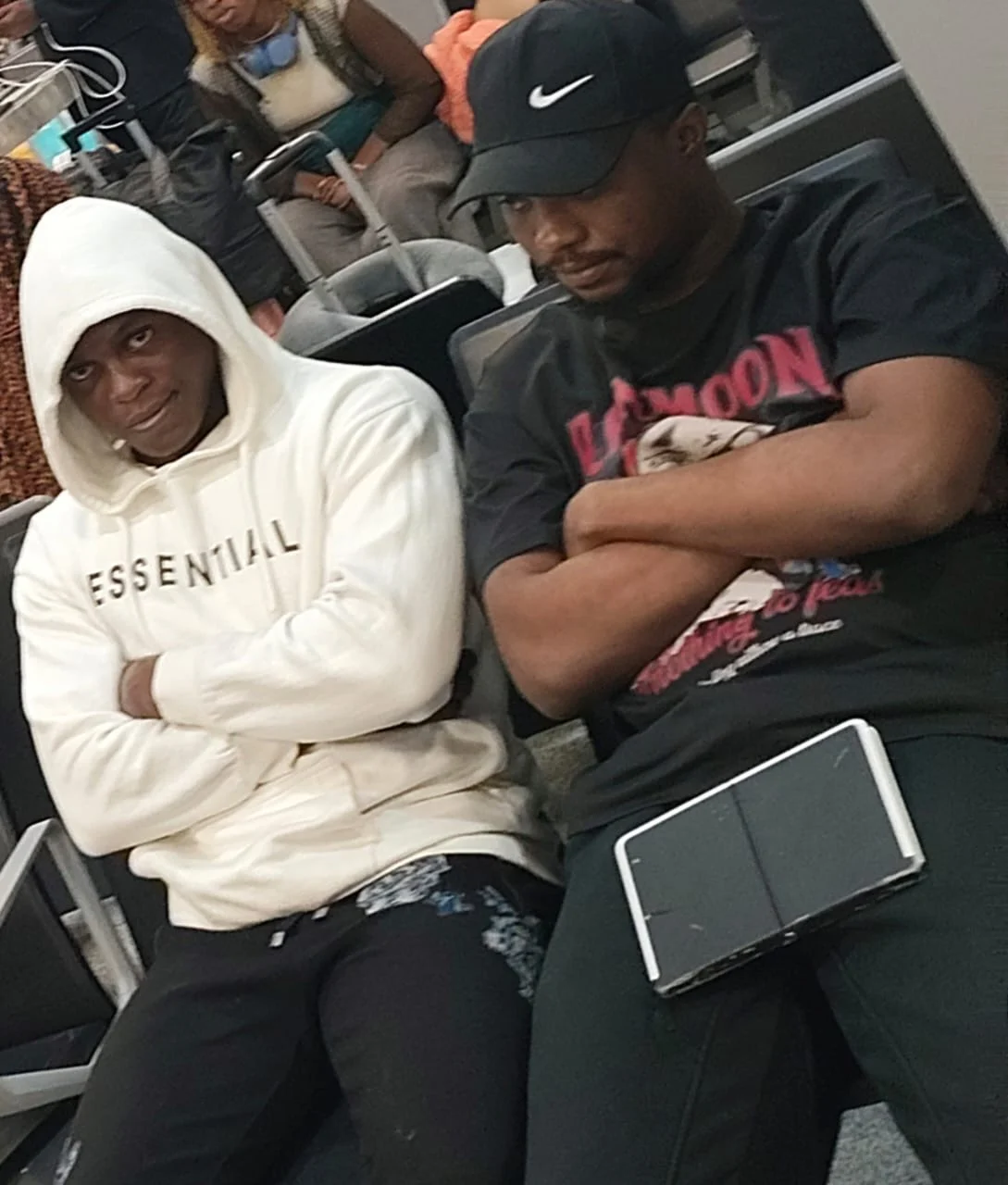
By Two Nigerian men, identified by authorities as Olawale and Adekunle, have been handed over to United States law enforcement to face charges connected to an online sextortion operation that American investigators say drove two teenage boys to suicide.
How the Case Came Together
The Economic and Financial Crimes Commission said both men had separately come under scrutiny in FBI investigations into schemes targeting male minors, most of them between 13 and 17 years old. According to the commission, the operations relied on child sexual abuse material as leverage, with victims pressured for money through channels such as money transfer services, gift cards and cryptocurrency. Investigators in the US eventually tied the men’s alleged activity to two cases in which American minors took their own lives after being sexually exploited and extorted online.
The EFCC laid out how one of those cases unfolded. A 13-year-old boy was approached on Instagram by someone who proposed swapping nude images, and once photographs were obtained, the sender allegedly threatened to circulate them to the boy’s contacts unless he paid up. Investigators later determined that the pressure on the teenager continued even after he had indicated he was considering suicide, a detail that revealed to both American and Nigerian investigators the callousness of the scheme.
That case eventually pointed the FBI toward specific suspects. Once agents had developed what the commission called actionable intelligence, they asked the EFCC to help identify, investigate and prosecute those responsible under Nigerian law. That request led to Adekunle’s arrest and his appearance before the commission.
A Separate Seven-Count Case Against Olawale
Olawale’s path to extradition ran through a different, earlier request from the FBI, this one built around a seven-count indictment. The charges laid out by the EFCC include sexual exploitation of a minor resulting in death, enticing or attempting to entice a minor into sexual activity, threatening communications across state lines, further counts of sexual exploitation, and distributing or attempting to distribute child sexual abuse material.
To secure his transfer, the EFCC opened extradition proceedings against Olawale before the Federal High Court in Lagos, a case that came before Justice A. Lewis-Allagoa as Suit No. FHC/L/CS/353/2024. The court initially declined the extradition request in a June 2024 ruling, prompting the Office of the Attorney-General of the Federation to appeal. That appeal succeeded this July, when the Court of Appeal’s Lagos Division set aside the earlier judgment, clearing the legal path for Olawale to be sent to the US.
What the EFCC Says This Represents
The commission framed the outcome as another example of the working relationship it has built with the FBI, one it said continues to bear results in cases involving internet-based financial crimes and the sexual exploitation of children. Both men have now been extradited and are expected to answer to the charges against them in the United States.
Why This Case Matters
Sextortion schemes of this kind have become an increasingly visible cross-border problem, with Nigerian and American law enforcement agencies pointing to a pattern in which minors are lured into sharing compromising images before being threatened and financially exploited, sometimes with fatal consequences. Cases like this one, built on years of investigation and a legal fight that stretched from 2024 into 2026, illustrate both how long such prosecutions can take to conclude and how central international cooperation has become to pursuing suspects operating across borders.