

 By
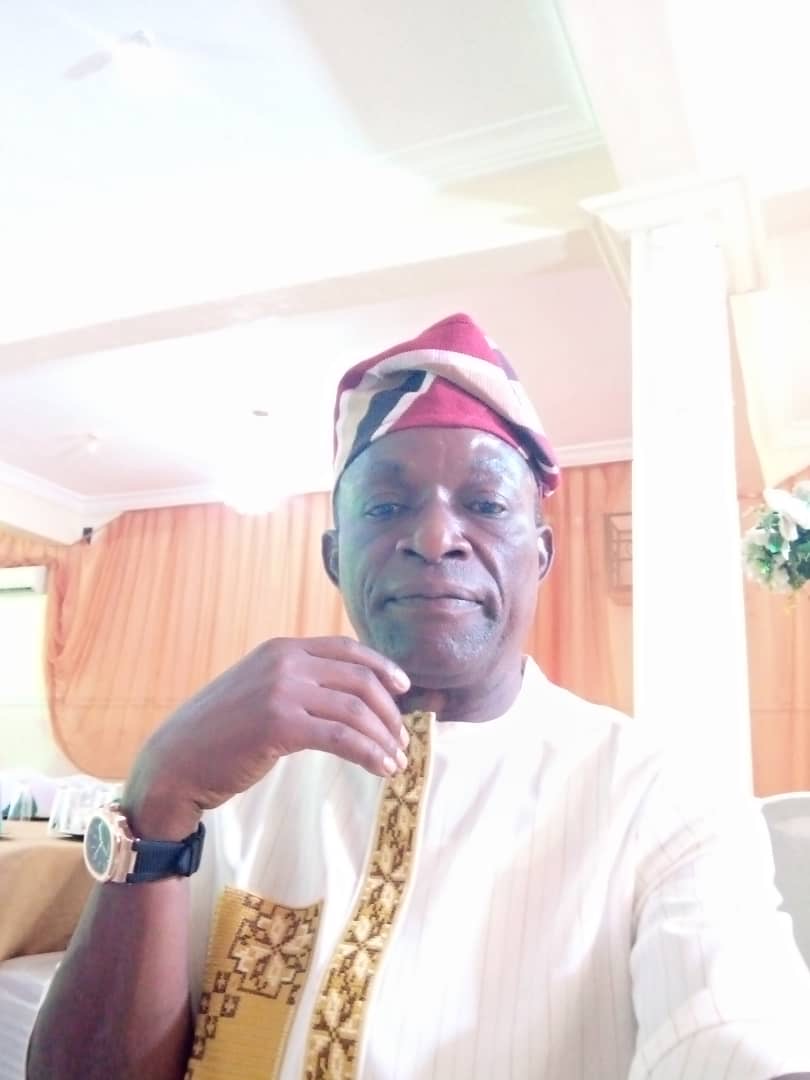
By Afriktimes interviewed an active member of the People’s Democratic Party, who previously served as a Welfare Officer in the party’s Local Government Executive Committee and was twice appointed as a Special Assistant to Godwin Obaseki, the former Governor of Edo State. He is currently a party leader and an ad hoc delegate in the forthcoming party primaries ahead of the 2027 general elections.
Question 1: Thank you for speaking with us today. To start, could you introduce yourself and tell us a bit about your role in the PDP?
My name is Shaba Adebayo Francis. I am from Uneme-Akiosu, Ward 9, in Akoko Edo Local Government Area of Edo State. My journey in the PDP began in Igarra, the headquarters of Akoko Edo Local Government Area, where I first joined the party. I was later formally registered as a party member in Uneme-Akiosu, Ward 9, in 2016.
I remember my early days in the party with a lot of nostalgia. I was very active, participating in rallies, campaigns, summits, and other party activities. While I was in the university many years ago, politics was a subject I enjoyed reading and discussing, especially as an Afrocentric historian.
I was inspired by great political figures such as Kwame Nkrumah of Ghana, Obafemi Awolowo of Nigeria, Julius Nyerere of Tanzania, and Gamal Abdel Nasser of Egypt. In post independence Nigeria, I admired leaders like Murtala Ramat Mohammed, Shehu Musa Yar’Adua, and Goodluck Jonathan. Many of these leaders were nationalists and revolutionaries who fought colonialism and shaped history. They inspired and motivated me during my formative years in politics.
Today, after years of dedication and service, I am a recognised political leader. I have served as a Welfare Officer in the PDP Akoko Edo Local Government Executive Committee and was twice appointed as a Special Assistant to Governor Godwin Obaseki.
Question 2: We have seen more young Nigerians showing interest in politics lately. How do you feel about this development?
I consider it a welcome development. Nigerians have long called for a shift from the old political order, which has often been associated with recycled politicians and poor leadership, to a new order driven by younger and more progressive leaders.
However, experience has shown that Nigeria’s leadership problem is not strictly about age, but about purposeful leadership and selfless service. What the country truly needs is leadership that prioritises duty, compassion, responsibility, and service to the people, regardless of age or position.
Question 3: In your opinion, what qualities should a young politician have to succeed in Nigeria’s political landscape?
A young politician must rise above the norm and lead with purpose and competence. Key qualities include competence, character, and general acceptability. They must demonstrate a strong commitment to excellence, service, and the advancement of humanity.
They should be able to navigate the complex terrain of governance with integrity and strategic insight. A successful young politician must be intellectually sound, quick thinking, and capable of sound policy formulation. They must inspire confidence, motivate people toward progress, and adapt to the realities of a fast-changing society.
Above all, they must be humble, accessible, transparent, sincere, accountable, and committed to leadership that prioritises the collective good over personal gain.
Question 4: Beyond personal ambition, how can young politicians make a real difference in national development?
Young politicians can make a difference by being visionary and transformative leaders with genuine passion for national development. They must live above reproach, reject corruption, stimulate economic growth, improve security, and work to enhance the quality of life of citizens.
Question 5: Does the PDP have mentorship programmes or initiatives to guide young politicians? How effective have these programmes been?
To the best of my knowledge, there is no single body solely dedicated to youth mentorship within the party. However, the Peoples Democratic Institute (PDI) serves as the party’s intellectual and policy research centre. Its goal is to promote, deepen, and sustain democracy in Nigeria through research, training, leadership development, and good governance.
Beyond this, the PDP operates an inclusive, people centred leadership structure. Through youth meetings, seminars, retreats, rallies, and summits, young members receive guidance, support, and mentorship. These initiatives foster unity, build capacity, and create a sense of belonging within the party.
The party ensures that young people understand its democratic principles, values, and leadership philosophy. These efforts have largely been successful, as youths are recognised, given a voice, and provided opportunities for appointments and leadership development.
Question 6: How can experienced politicians help young aspirants navigate the challenges of politics and succeed?
There is an African proverb that says, “The youth walk faster, but the elderly know the road.” Young people bring energy, speed, and innovation, while older politicians offer wisdom, experience, and guidance.
Experienced politicians should continuously engage young aspirants through inclusive leadership and mentorship. For young politicians to succeed, they must remain committed, loyal, steadfast, and aligned with the vision, values, and aspirations of their party.
Question 7: What changes or reforms would make Nigerian politics more welcoming and accessible for young leaders?
First, there must be genuine commitment to the welfare of the people through meaningful service delivery. Second, the electoral process must be transparent to ensure free, fair, and credible elections.
Third, Nigeria must move away from money driven politics so that people without wealth can aspire to leadership. Fourth, institutions such as INEC, the police, security agencies, and especially the judiciary must remain independent, impartial, and strong.
Leadership should focus on service, progress, and nation building rather than corruption and personal enrichment. There must also be security of lives and property, political stability, and a peaceful political environment.
Question 8: Finally, what advice would you give to young Nigerians thinking of going into politics today?
First, ensure you have a legitimate source of income. Second, understand Nigeria’s history, system of government, constitution, rule of law, political structure, and electoral processes.
Young politicians must be committed, patriotic, passionate, and accountable. They should be visionary, empathetic, emotionally intelligent, and able to communicate effectively. They must remain authentic, confident, adaptable, courageous, humble, and willing to work as part of a team.