

 By
By In Nigeria, strike actions have become a familiar language between workers and their employers. The language, over the years, has proven to be what the government understands better. With Nigeria’s long history of industrial actions, it would not be far-fetched to assume that one in ten families have experienced the effects of strike actions either directly or indirectly. At the University College Hospital (UCH), Ibadan, that language is being spoken once again, as health workers down tools over electricity rationing and water shortages that they say are crippling medical services.
Yet when strikes eventually occur, their consequences rarely fall only on the parties involved. Instead, the burden often spreads to those who have little power to influence the situation..
On Monday, March 2, the Council of UCH Union Leaders (CUUL) declared a five-day warning strike to press home demands for an immediate halt to electricity rationing by the hospital’s management and for improved water supply, particularly running water necessary for medical procedures.
Strike Actions In the University College Hospital, Ibadan (UCH)
The history of strikes at University College Hospital (UCH), Ibadan, is defined by a recurring cycle of industrial actions driven by both local infrastructural failures and national labor disputes. Between 2024 and 2025, the hospital faced significant disruptions. In November, 2025, a major 84-day national strike by the Joint Health Sector Unions (JOHESU) over salary scale adjustments and an indefinite action by the Nigerian Association of Resident Doctors (NARD) regarding unpaid arrears broken out. In July 2025, nurses at UCH joined a 7-day national warning strike to protest prolonged neglect of salary structures and poor working conditions.
Locally, UCH has been uniquely crippled by a chronic electricity crisis; in early 2024, staff were forced to adopt limited “7 a.m. to 4 p.m.” work hours after the facility was repeatedly disconnected from the power grid due to massive debts of about ₦400m owed to the Ibadan Electricity Distribution Company (IBEDC). In November 2024, the institution was plunged into over 100 days of total darkness which slated till February 2025.
A Visit to a Silent Hospital
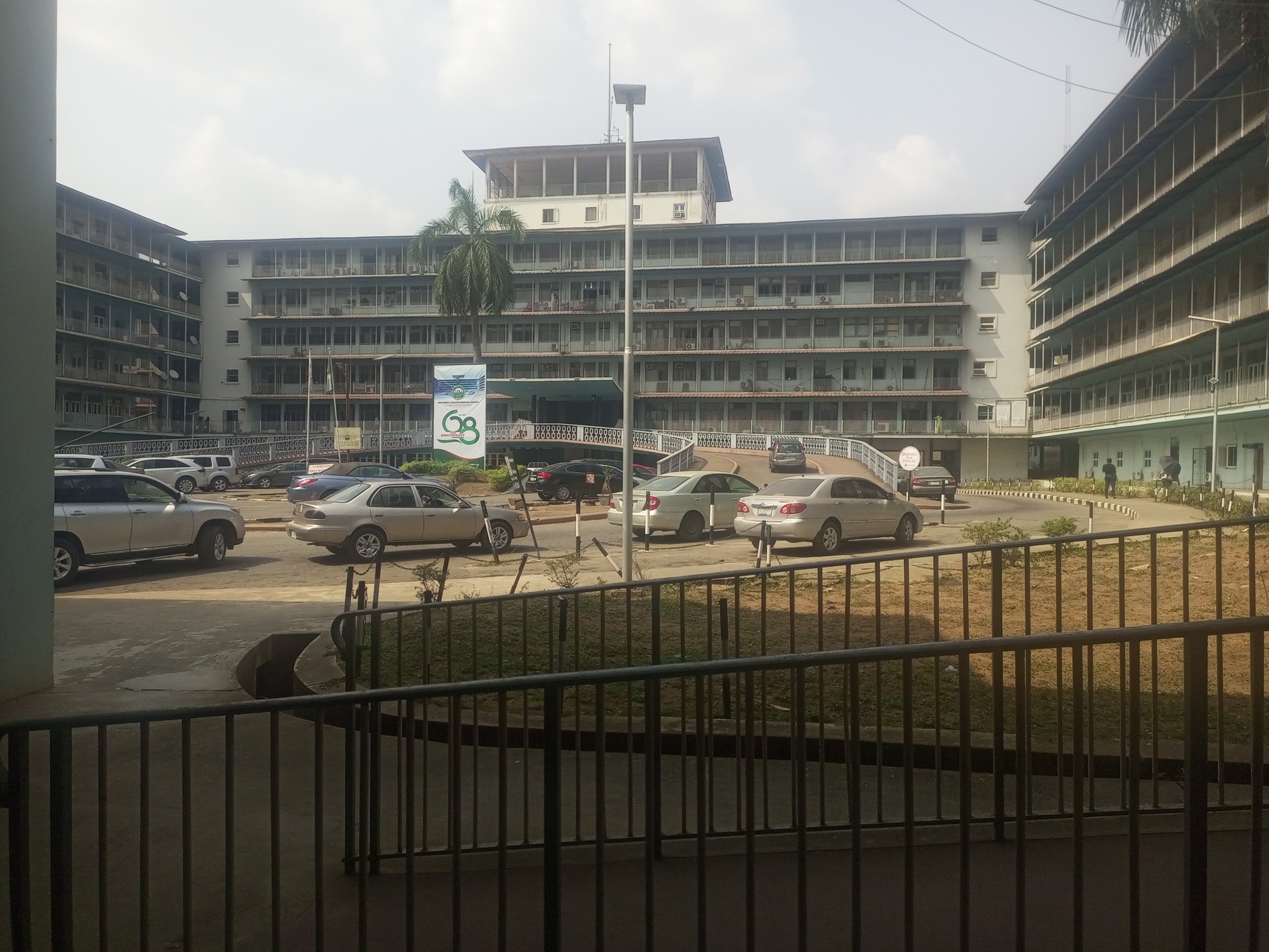
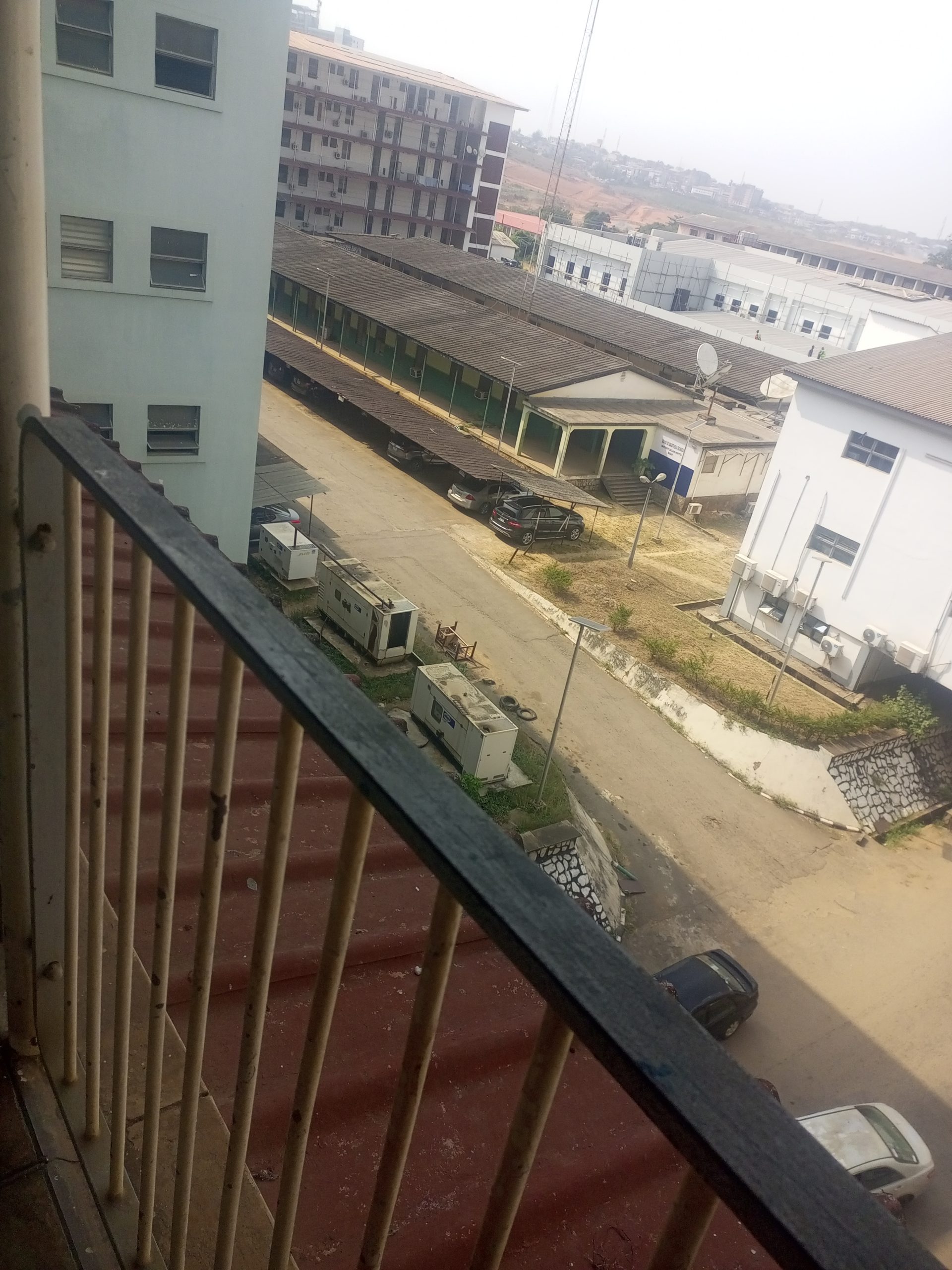
A visit to the hospital on Thursday, March 4, revealed the stark reality of the ongoing strike.
Corridors that once bustled with activity now lie silent. Wards appear unusually empty. Many medical personnel are absent, while the few patients still in the facility cling to hope as they wait for the strike to end. The atmosphere exudes a diminished aura of a hospital operating far below its usual capacity.
During an interview with Comrade Pharm. Wale Fatai, Chairman of the Senior Staff Association of Universities, Teaching Hospitals, Research Institutes and Associated Institutions (SSAUTHRIAI), journalists obtained a press statement issued by the Council of UCH Union Leaders explaining the reasons behind the strike.
The statement, titled “LET THERE BE LIGHT,” was jointly issued by six unions under CUUL: the Association of Resident Doctors (ARD-UCH), Medical and Health Workers Union of Nigeria (MHWUN), National Association of Nigerian Nurses and Midwives (NANNM), Nigerian Union of Allied Health Professionals (NUAHP), Non-Academic Staff Union of Educational and Associated Institutions (NASU), and SSAUTHRIAI.
According to the statement, UCH experienced approximately 102 days without electricity between November 3, 2024 and February 12, 2025 after IBEDC disconnected the facility. Electricity was eventually restored following intervention by the Minister of Power after widespread public concern.
However, the unions claim that although IBEDC now supplies electricity to the hospital, power is being internally rationed by management, severely affecting hospital operations.
“Today, we regret to inform Nigerians that although power has been restored to UCH by IBEDC, electricity supplied to service delivery areas and the residential quarters is being internally rationed and restricted by Management. This deliberate withholding of power has crippled efficient service delivery, endangered patients, exposed staff to hazards, and undermined the integrity of one of Nigeria’s foremost tertiary hospitals,” the statement read.
The statement noted that power crisis has led to the cancellation of routine surgeries and the theatre schedule often lack orderliness, unavailability of critical laboratory investigation results to clinicians, inability to store medications, reagents, and vaccines due to broken cold chains, unsuitable environment for blood donors, discontinuity is executing research endeavours, absence of training for medical personnel, among other irreparable damages that have been done.
An anonymous source within the Association of Resident Doctors had earlier told journalists that the hospital is now able to perform only about three of the eight major surgeries typically scheduled each day due to the lack of electricity.. The reality of this is that the five other patients would have to be added to the queue the next day, leading to congested theatre schedules. Delay like this might lead to the eventual death of patients or unanticipated complications. The current situation in UCH can be likened to a higher institution that rations electricity and water supply for students and academic staff, hoping that productivity would surge.
Healthcare workers have also been forced to operate under unsafe conditions. Surgeries are sometimes conducted using headlamps, nurses rely on phone torchlights during night duties, and water shortages have increased the risk of hospital-acquired infections. Relatives of patients now assist staff by manually fetching water to upper floors.
“We Are not Fighting for Salary” — Comrade Pharm. Wale Fatai
Pharm. Fatai insists that the strike is not about salary increments but about creating conditions that allow healthcare workers to perform their duties safely.
According to him, IBEDC supplies electricity to the hospital for between 18 and 20 hours daily under the Band A tariff structure, but management allegedly restricts the supply internally.
“Because we are on Band A, when IBEDC brings power to the hospital, they supply electricity for not less than 18 to 20 hours. But the UCH management removed the light. They are the ones rationing it, not IBEDC,” he said.
Staff living within the hospital quarters are also affected. The press statement claims residents pay premium Band A tariffs along with additional charges imposed by management, yet many households receive only about one hour of electricity daily. Some prepaid meters reportedly remain unreplaced for more than a year. Some residents are in the billing range from ₦10,000 to ₦25,000 monthly regardless of consumption. Water scarcity within the quarters has also affected families and students living there.
“We’re not working the way we should — at optimum capacity,” Pharm. Fatai lamented.
He explained that the unions had issued an ultimatum to the management weeks earlier, warning that a strike would follow if the situation persisted.
“About three weeks ago we sent an ultimatum under CUUL, stating that if power was not restored we would embark on a five-day warning strike. They only called us on the last day of the previous week only to beg us. By then, our members had lost patience,” he said.
According to him, the unions want the hospital to regain the reputation it once enjoyed decades ago.
“UCH was a respected institution in Nigeria and globally in the 1970s. We want it to return to that glory. We are calling on the Ministers of Power and Health, the Federal Government, and well-meaning Nigerians to intervene.”
“When Two Elephants Fight, the Grass Suffers”— Relative
An African adage says that when two elephants fight in the forest, it is the grass that suffers the most. The unfolding situation in the UCH wards is a perfect reflection of this proverb.
Journalists spoke with two individuals in the ward: a male patient and a female relative caring for another patient. Both lamented the poor condition of the facility and the effects of the strike on patients, while appealing to authorities to prevent the strike from escalating further. However, both also acknowledged the necessity of the strike action despite its painful consequences.
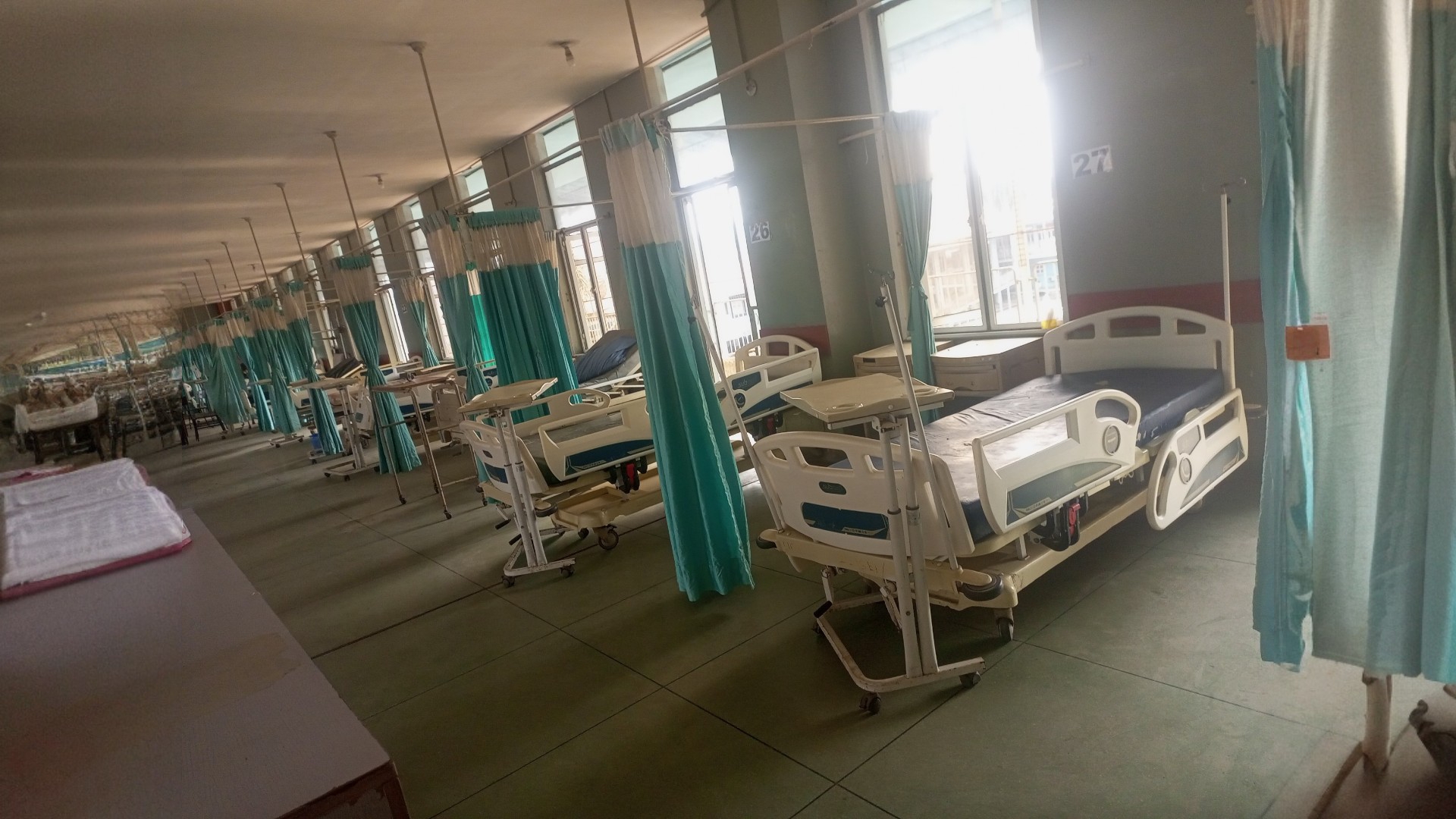
A look inside the ward reflects a groaning reality. Of the about 22 beds in the ward, only four were occupied by patients hoping for an end to the strike. Others may have been discharged or forced to leave on their own to cater for themselves. When a hospital meant to care for patients now offers emptiness, it shows that the society itself is in danger.
Speaking with journalists, the male patient disclosed that he has been in the hospital for about eight months due to financial difficulties and the frequent strike actions by health workers.
“I’ve spent over eight months here and more than ₦600,000 maintaining my bed space. Social workers are the ones helping with my care. Whatever needs to be done should be done quickly. We the poor masses are appealing to the Tinubu government to end this strike and meet the demands of these workers.
“They said they are fighting for electricity, and it is true. A federal government hospital should not be without adequate electricity. The solar power here does not last up to one hour,” he said.
“We are the ones who vote for the government, and we are calling on them to provide solutions because electricity instability has been a long-standing issue. The doctors are fighting for their rights because you cannot ask them to perform surgery in darkness and expect everything to go smoothly,” he lamented.
The female relative of another patient also shared her experience. She explained how previous strike actions have strained families financially and emotionally. She disclosed that she has been caring for her son since October.
“The last strike led to the loss of lives. They barely resumed work three weeks ago and now they are on strike again. We are calling on the authorities to meet their demands so that more lives are not lost and patients do not stay longer than necessary in the wards,” she said.
“For me, I haven’t eaten since morning because I need to look after my son here. Sometimes we spend up to ₦100,000 in a day, yet we do not have stable jobs. There has truly been poor electricity supply. When night falls, we can barely see each other here. We are pleading with the government to address the demands of these workers and restore stability in the hospital,” she said with a heavy heart.
What is the Way Forward?
Pharm. Wale Fatai noted that the five-day warning strike will end on Saturday, March 7 at 8:00 a.m. However, that may not be the end. It could mark the beginning of a prolonged strike action if urgent interventions are not made. Members of the individual Union are expected to come together to decide a way forward after the warning strike elapses. If they vote in favour of a continuous strike, the unstable supply of water and electricity will persist, leaving patients to fend largely for themselves. AfrikTimes will continue to monitor the situation as events unfold.