



 By
By Claim:
A viral video circulating on Facebook, posted by a popular Oyo-based blog, Oyo Affairs, alleges that residents were seen scooping fuel from an overturned tanker along Academy–Iwo Road Expressway, Ibadan.
Verdict: Misleading
Report
In the early hours of Monday, a video shared on Facebook showed individuals scooping fuel into buckets and kegs from a fallen tanker. The post claimed the incident occurred along Academy–Iwo Road Expressway in Ibadan, with residents reportedly risking their lives to collect fuel.
More than 200 Facebook users have shared the post from the page, while several blogs have also circulated similar content.
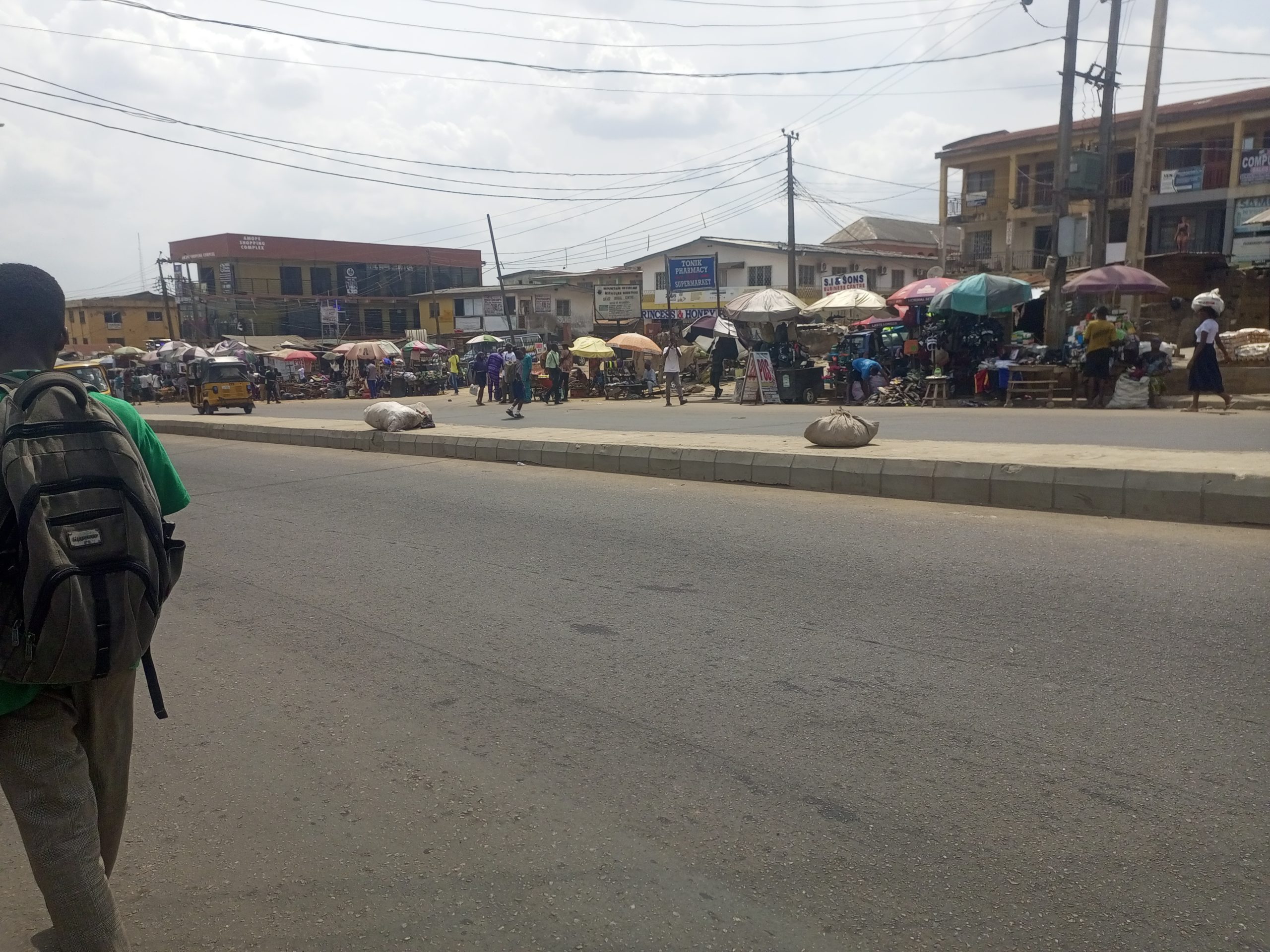
Given the potential public safety implications of such an incident, AfrikTimes conducted a field investigation on Monday afternoon to verify the claim.

Upon visiting the alleged location, stretching from Academy–Iwo Road through Bishop Phillips Academy to areas beyond Academy Hospital, no evidence of a recent tanker accident was found. There were no visible traces such as fuel spillage or response activity from authorities typically associated with such incidents.
Further enquiries with residents, motorists, and fuel station attendants in the area yielded similar responses. None of the individuals interviewed could confirm the occurrence of such an incident, with many stating that no tanker accident had taken place in the area in recent days.
In addition, no credible local or national news platform reported the incident, raising further doubts about the accuracy of the claim. Given the hazardous nature of fuel tanker accidents and their tendency to attract widespread attention, the absence of media coverage is notable and has raised suspicion about the credibility of the information.
Conclusion
While the video itself may depict a real incident, there is no verifiable evidence that it occurred at the stated location in Ibadan. The claim, therefore, is misleading due to incorrect location attribution. This makes the overall narrative unreliable and harmful to the public.
Social media remains a major driver of this trend. According to DataReportal, Nigeria had 85.49 million internet users, with 27 million active on social media as at January 2020. This high level of digital participation increases both the speed and reach of misinformation
The spread of such misleading claims reflects a broader misinformation challenge in Nigeria. Studies show that 75% of Nigerians encounter fake news frequently, while 60% report declining trust in online platforms due to repeated exposure to misleading content. An October 2024 research report revealed that most fake news in Nigeria revolve around social, entertainment, and religious issues and are reported more often in “text” and “videos” on Facebook, Instagram, and WhatsApp. The research further revealed that the main sources of fake news in Nigeria are non-professional journalists and the high rate of fake news has largely been due to the skilful framing, lack of time and skill to fact-check fake news by the audience, and lack of effective enforcement of best journalism practices.
What Should be Done
To deal with misinformation in Nigeria, it is important that we all come together to deal with it. For the public, there is an urgent need to develop a culture of verification before sharing information. Individuals should make conscious efforts to cross-check claims with credible news platforms, pay attention to details such as location, date, and source, and resist the urge to forward sensational content without confirmation. For the government, timely and transparent communication is essential in reducing the information gaps that often give rise to rumours and false narratives. Authorities must prioritise proactive information dissemination, especially during emergencies or sensitive incidents, while also investing in public awareness campaigns that educate citizens on the dangers of misinformation.
Media organisations, on our part, must uphold the highest standards of journalism by prioritising accuracy over speed. In an era where editors prioritise breaking news over verification, newsrooms should strengthen their fact-checking mechanisms, invest in digital verification tools, and ensure that all user-generated content is thoroughly scrutinised before publication.