

 By
By Abuja, Nigeria
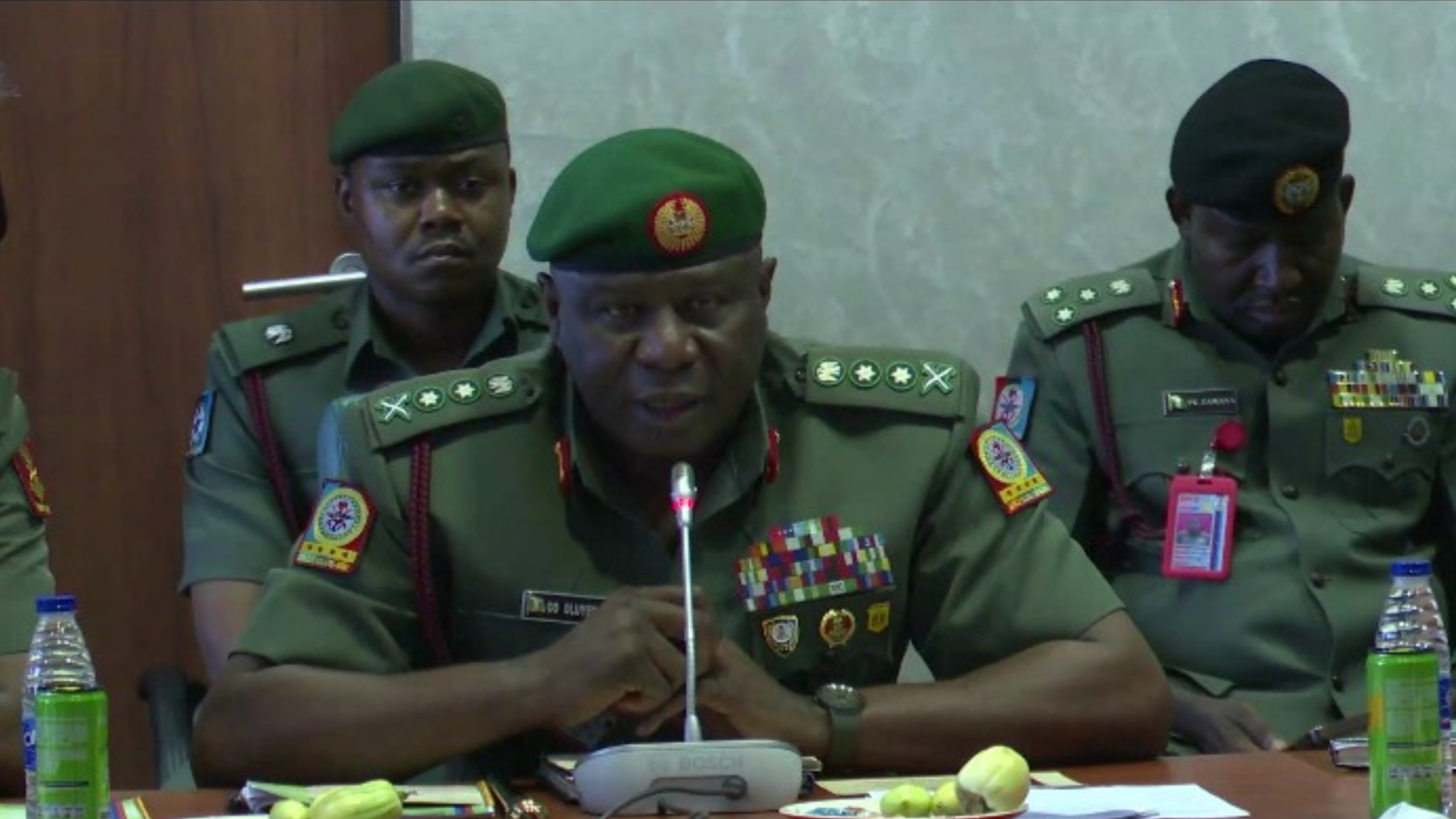
The Chief of Defence Staff (CDS), General Olufemi Oluyede, has urged the National Assembly to support by the Armed Forces in its oversight function in the fight against insurgency and banditry across the country.
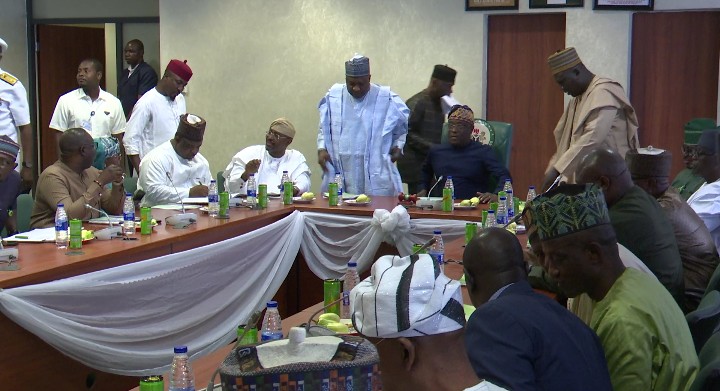
General Oluyede made the call during the 2025 budget appraisal and defence of the 2026 budget proposal at the National Assembly Complex in Abuja. He noted that the armed forces must be adequately equipped to take over and secure areas already cleared of criminal elements.
Providing an overview of the nation’s security situation, Oluyede disclosed that arrangements had been concluded to deploy special forces to Kwara State and parts of Niger State to address the recent surge in insecurity. He stressed, however, that the Armed Forces alone could not resolve the challenges.
He also assured Nigerians that renewed efforts were underway to tackle lingering security threats in the Middle Belt, particularly in Benue and Plateau states, by taking the fight directly to insurgents’ hideouts.
He revealed that new special forces had been deployed to Benue and Plateau, while a new Joint Task Force, code-named Operation Savannah Shield, would soon be inaugurated to specifically cover Kwara State and parts of Niger State.
The CDS further disclosed that Nigeria was partnering with some allied countries to bridge gaps in intelligence gathering, stressing that such partnerships were being streamlined to safeguard the country’s sovereignty.
Speaking earlier, Chairman of the House Committee on Defence, Rep. Babajimi Benson said Nigeria’s contemporary security challenges could not be addressed through kinetic approaches alone. While acknowledging the gains made by the Armed Forces and other security agencies, Benson stressed that sustainable peace required complementary non-kinetic strategies.
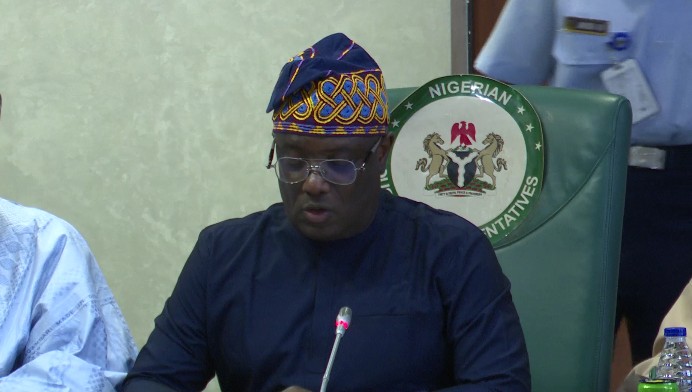
He noted that persistent security threats underscored the need for deeper institutional reforms, improved inter-agency coordination and smarter deployment of scarce resources.
According to him, increased budgetary allocations must be matched with measurable outcomes, value for money, transparency and accountability. He advocated a whole-of-government and whole-of-society approach to security, calling for investments in strategic communication, community peacebuilding, defence intelligence infrastructure, cyber defence, border security technology, police reforms and inter-agency data fusion centres.
He reaffirmed the House of Representatives’ commitment to peace, unity and national security, pledging the Committee’s support for efforts aimed at strengthening Nigeria’s defence architecture through local defence production, research and development, improved personnel welfare and modernisation anchored on efficiency, transparency and innovation.
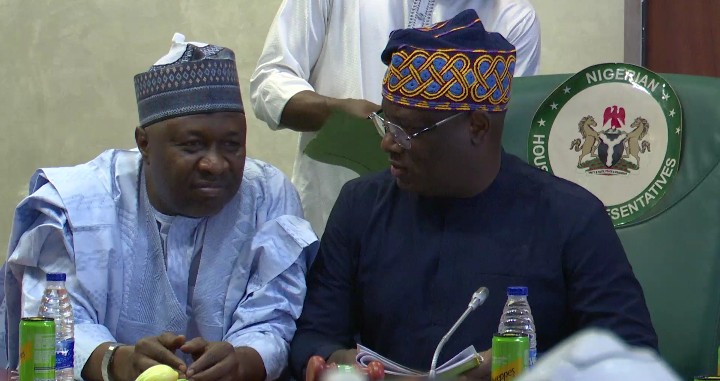
Benson further stressed that the 2026 budget must be clearly aligned with Nigeria’s national security priorities and ongoing reforms within the defence sector, insisting that submissions before the Committee must be realistic, well-justified and performance-driven.
He said the Committee would pay close attention to issues of personnel welfare, training and capacity development, equipment maintenance and modernisation, intelligence capabilities, logistics support and the sustainability of ongoing military operations.