


 By
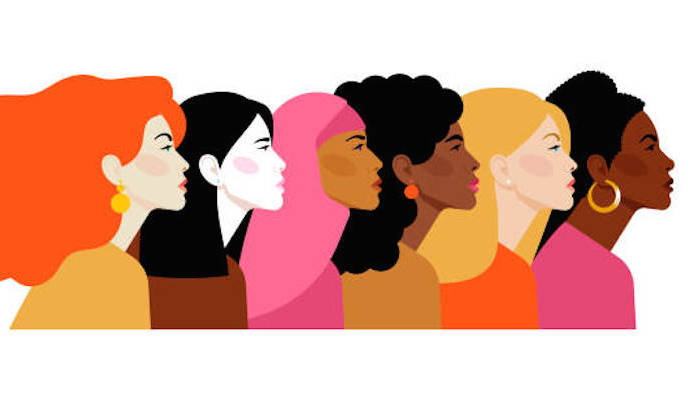
By As the world marks International Women’s Day, leaders in Adamawa State have called for stronger commitment to women’s empowerment, improved welfare, and increased participation of women in governance, in line with this year’s theme, “Give to Gain.”
The theme underscores the need for deliberate actions by governments, institutions, and individuals to advance gender equality, emphasizing that investing in women’s safety, rights, and leadership yields positive outcomes for society.
Women constitute nearly half of Nigeria’s population—about 49 to 50 percent—and continue to seek equal rights, opportunities, and protections. Across the country, women are advocating for greater involvement in governance, better access to education and healthcare, and improved economic prospects.
Speaking to commemorate the day, Kate Raymond Mamuno, who represents Demsa Constituency in the Adamawa State House of Assembly, stressed the urgent need to increase women’s participation in politics.
Mamuno linked this goal to the proposed Special Seats Bill (HB.1349), which aims to expand women’s representation in political offices, particularly in the National Assembly of Nigeria and state legislatures.
Currently, Mamuno is the only female lawmaker among the 25 members of the Adamawa State Assembly and also serves as the Majority Leader. She described women’s representation in Nigerian politics as grossly inadequate, noting that women make up only about 4 percent of members in the National Assembly.
“Many state assemblies have very few or no female lawmakers. Here in Adamawa, I am the only woman among 25 members. We are asking for just three seats for women in every state, which would make a significant difference,” she said.
She explained that the proposed legislation seeks to create additional seats specifically for women to enhance their participation in governance.
According to her, the bill proposes one additional Senate seat for women in each state and the Federal Capital Territory, as well as one additional seat in the House of Representatives for women in each state and the FCT.
Mamuno clarified that the initiative is not intended to sideline men but rather to ensure that women have a guaranteed platform in governance.
“Women are not seeking to overpower men by requesting additional seats in government. These proposed seats are designated for women and are not meant to be contested by men. The proposal also includes three reserved seats in each State House of Assembly,” she added.
She emphasized that the initiative would help amplify women’s voices in legislative processes and strengthen inclusive governance.
Beyond political participation, Mamuno highlighted the importance of improving healthcare and family support systems for women. She noted that access to affordable healthcare, maternal care, family planning services, and reproductive health support remains vital for the wellbeing of women and families.
She also commended Ahmadu Umaru Fintiri, Governor of Adamawa State, for prioritizing women’s welfare and safety, particularly through the establishment of specialized mother-and-child healthcare facilities aimed at reducing maternal and child mortality.
According to her, the governor has also introduced free education and enrollment opportunities for girls, a policy designed to strengthen girl-child education and promote gender inclusion in the state.
Also speaking, Neido Kofulto, Commissioner at the Adamawa State Ministry of Women Affairs, identified limited access to education as a major challenge facing girls, especially in northern Nigeria.
Kofulto stressed that ensuring equal access to primary, secondary, and tertiary education is critical to empowering women and enabling them to contribute meaningfully to national development.
She further emphasized the neInternational Women’s Day: Adamawa House Leader Advocates Women’s Empowerment, Greater Political Representation