

 By
By Abuja, Nigeria
The Federal Government has reaffirmed its commitment to diplomacy and the protection of Nigerians abroad following rising tensions in the Gulf region linked to the confrontation involving the United States, Israel and Iran.
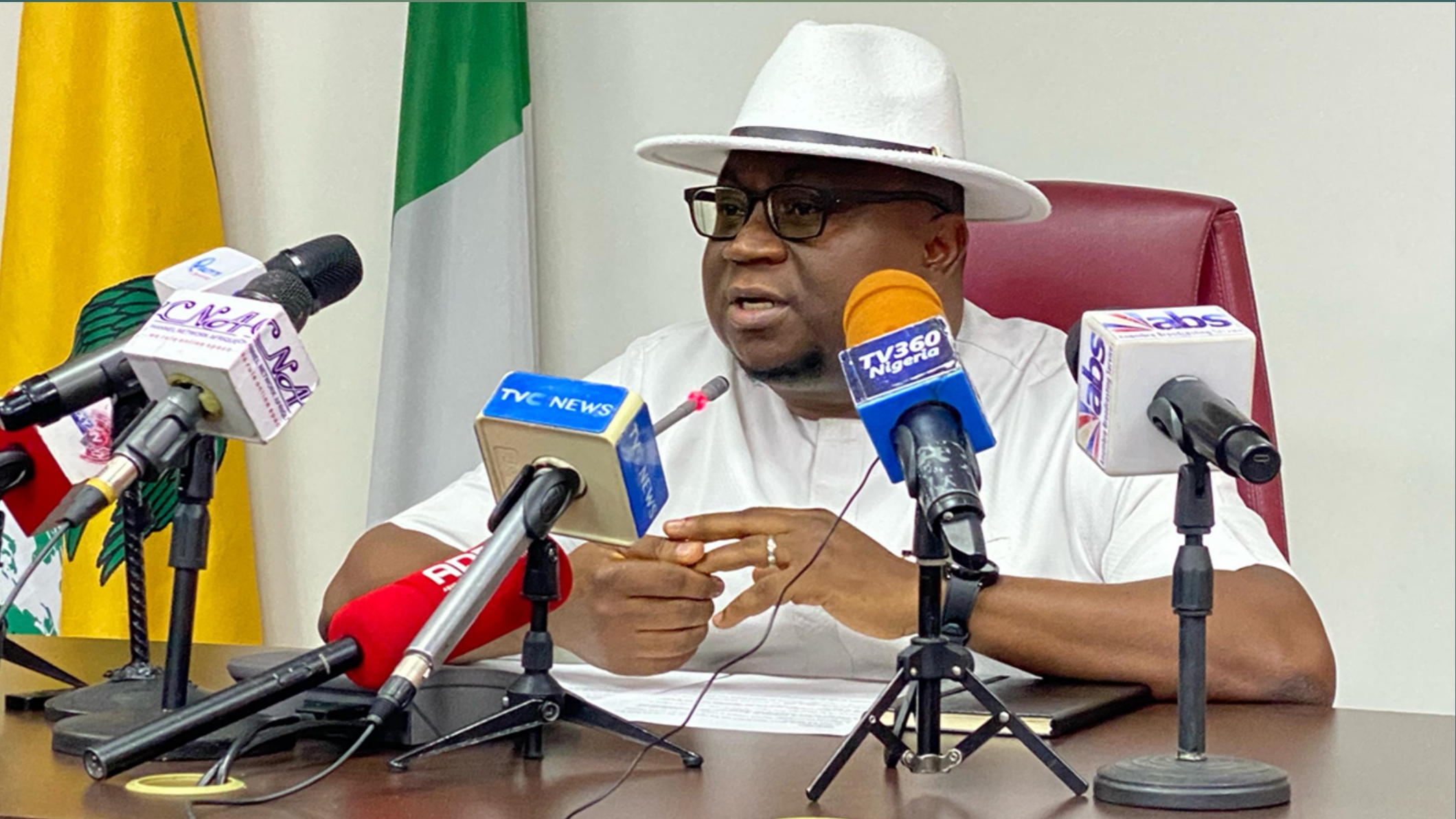
The spokesperson for the Federal Ministry of Foreign Affairs and Head of Crisis Monitoring and Public Communications Division, Kimiebi Imomotimi Ebienfa, disclosed this while speaking on Politics Today, a current affairs programme on Kapital FM, Abuja and monitored by AfrikTimes.
Ebienfa said Nigeria’s diplomatic response was prompted by the rapid escalation of hostilities in the Gulf and the potential spillover effects across the region. According to him, the Nigerian government has activated diplomatic channels and consular alert mechanisms to ensure the safety of Nigerians living in the affected areas.
“Our foreign policy is anchored on dialogue, peaceful resolution of conflicts and respect for international law. Nigeria has consistently urged all parties involved in the crisis to exercise restraint and pursue diplomatic engagement in line with the principles of the United Nations Charter and the Geneva Conventions.”
He explained that Nigerian embassies across the region, including those in Tehran, Tel Aviv, Qatar, Beirut, Kuwait, the United Arab Emirates and Saudi Arabia, have been placed on high alert to closely monitor developments and provide support to Nigerian nationals where necessary.
On the safety of Nigerians in the Gulf region, Ebienfa noted that thousands of Nigerians work across various sectors including construction, healthcare, aviation, oil and gas, and domestic services.
“While the situation remains under close watch, there have been no confirmed reports of Nigerians directly affected by the tensions so far,” he stated.
He added that Nigeria relies on a combination of diplomatic intelligence, host country advisories and international monitoring systems to anticipate potential threats to its citizens abroad.
Ebienfa further disclosed that an inter-ministerial meeting was held on Friday with relevant stakeholders to agree on a reliable evacuation plan, particularly for Nigerians in Iran, who are currently considered the most vulnerable.
According to him, there are close to 1,000 Nigerians in Iran, most of whom are students. He revealed that Nigeria’s diplomatic mission is already in discussions with the Republic of Armenia on possible arrangements to facilitate their evacuation if the security situation deteriorates.
The ministry’s spokesperson added that officials are working through Nigerian embassies and consulates to maintain updated records of citizens residing in the region, strengthen communication with diaspora communities and issue timely security advisories.
He also explained that Nigeria operates a crisis response structure within the Ministry of Foreign Affairs to coordinate emergency consular services during international emergencies.
“This structure includes evacuation planning, collaboration with host governments and partnerships with international agencies when necessary,” he said.
The ministry has therefore advised Nigerians residing in the Gulf region to remain vigilant, adhere strictly to security advisories issued by local authorities, maintain regular contact with Nigerian embassies and ensure their travel and identity documents remain valid.
Ebienfa reassured that the Nigerian government remains committed to protecting its citizens wherever they may be, while continuing to support diplomatic efforts aimed at de-escalating tensions in the Gulf.
“The unfolding crisis shows that foreign policy decisions go beyond diplomatic negotiations, as they directly affect Nigerians working abroad, their families at home and the nation’s global standing,” he added.