

 By
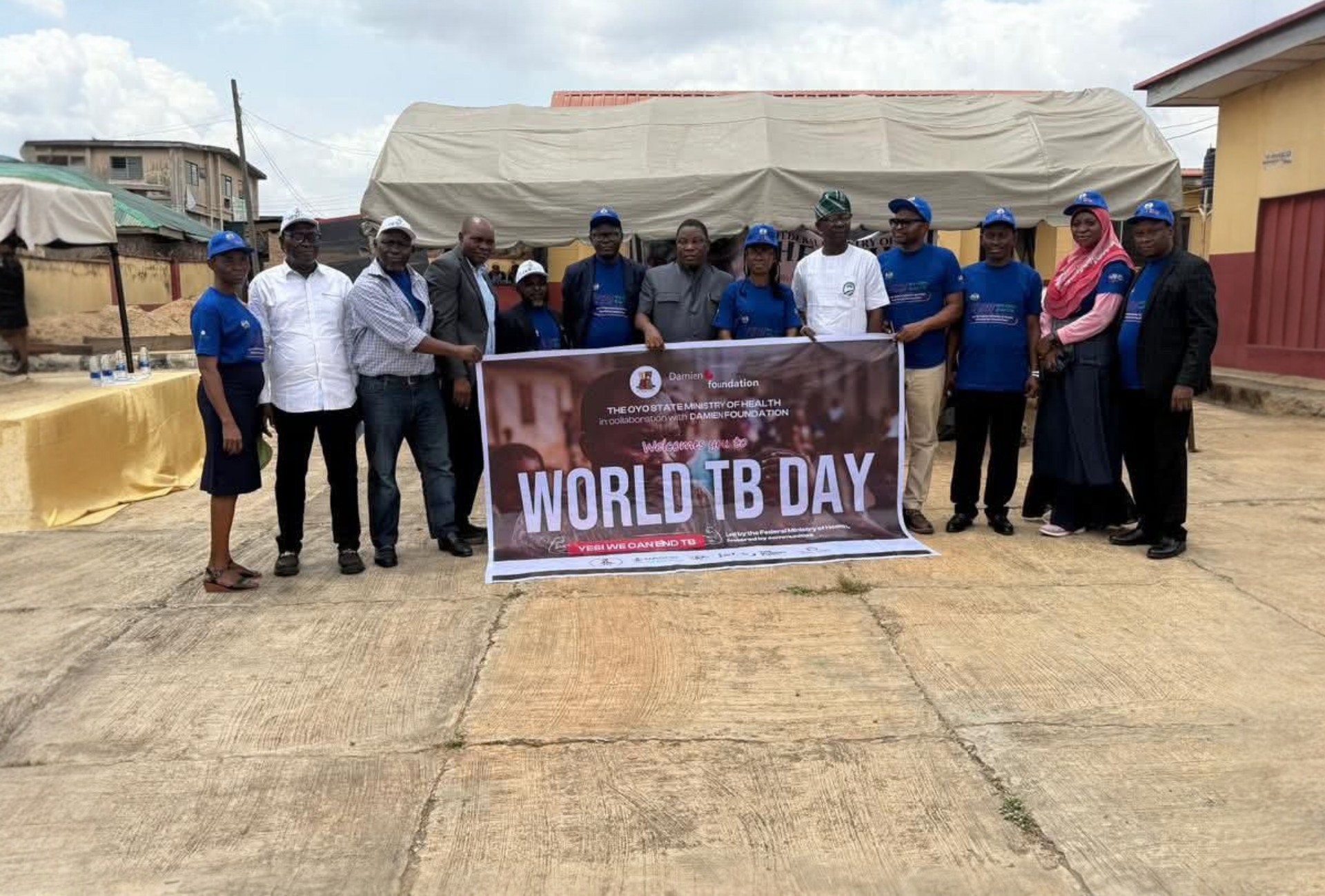
By The Oyo State Government has reaffirmed its commitment to combating tuberculosis (TB) with the launch of a statewide health outreach programme, as it joined the global community to commemorate the 2026 World Tuberculosis Day.
The event, held at Molete Primary Health Centre in Ibadan, brought together health officials, development partners, and community stakeholders to raise awareness about the disease and strengthen efforts towards its elimination.
Speaking at the commemoration, the Commissioner for Health, Dr. Oluwaserimi Ajetunmobi, described tuberculosis as a serious but preventable and curable infectious disease, stressing the need for early detection, proper treatment, and sustained public awareness.
She warned that a significant number of TB cases remain undiagnosed, thereby increasing the risk of transmission within communities. The Commissioner called for stronger collaboration among stakeholders and urged residents to avoid stigma associated with the disease, which often discourages affected individuals from seeking timely medical care.
Statewide Outreach and Government Intervention
As part of activities marking the day, the state government flagged off integrated health outreaches across all 33 Local Government Areas. The outreach includes free screening, testing, and counselling services for tuberculosis, HIV, and malaria.
Health authorities noted that the initiative is aimed at expanding access to healthcare services, particularly for underserved populations, while also improving early case detection.
The state also highlighted ongoing interventions such as the decentralisation of TB services, active case finding in communities, and the deployment of improved diagnostic tools to enhance detection and treatment outcomes.
Understanding Tuberculosis and Its Spread
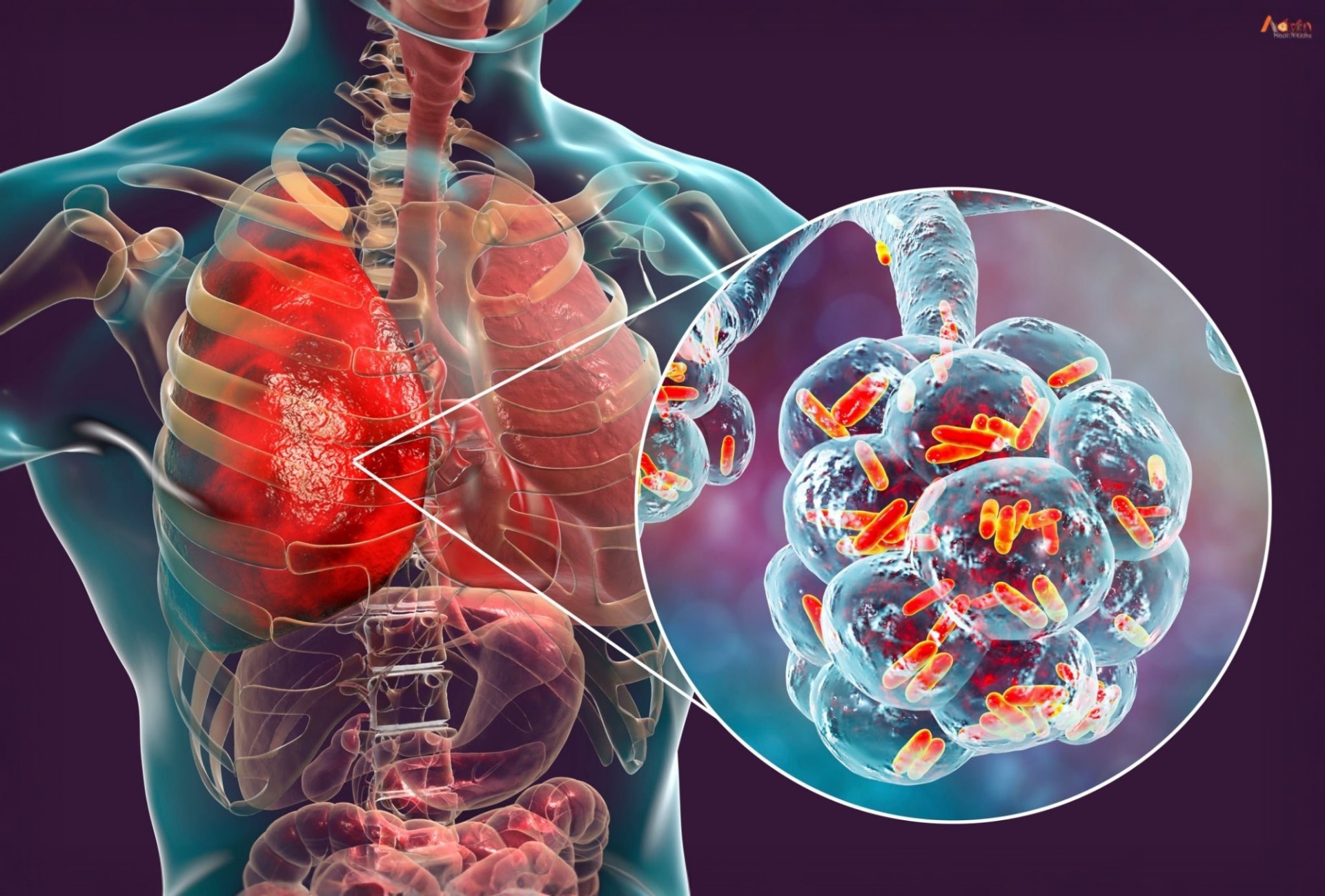
Tuberculosis is an infectious disease caused by bacteria that primarily affect the lungs. It spreads through the air when an infected person coughs, sneezes, or even sings, releasing tiny droplets that can be inhaled by others. The disease thrives in overcrowded environments and is more likely to affect individuals with weakened immune systems, particularly those living with HIV/AIDS. Public health experts warn that untreated TB cases can significantly accelerate transmission, especially in densely populated areas.
The Growing TB Burden in Nigeria
Nigeria continues to face a high burden of tuberculosis, ranking among the countries with the highest prevalence globally, according to the World Health Organisation.
A 2024 report indicates that Nigeria has the highest TB burden in Africa, with approximately 268 deaths recorded daily. Despite this, cases remain largely under-reported, increasing the risk of wider community transmission. Health experts estimate that a single untreated TB patient can infect up to 15 other people within a year.
The country is also grappling with a triple burden of TB, drug-resistant TB (DR-TB), and HIV-associated TB. Nigeria is listed among the top 10 countries globally with the highest number of undetected TB cases, alongside nations such as Indonesia, Myanmar, and the Philippines. Recent data further show that over 361,000 TB cases were recorded in Nigeria in 2023, marking a 26 per cent increase from 2022, with children accounting for about 9 per cent of reported infections.
However, case detection remains a major challenge. Over the past five years, Nigeria’s TB detection rate has only improved marginally, from 17 per cent to 24 per cent, largely due to limited access to diagnostic services, as only about 20 per cent of health facilities in the country provide TB-related care.
Challenges: Funding, Awareness, and Vulnerable Groups
Experts attribute the persistence of TB in Nigeria to multiple factors, including poverty, poor education, malnutrition, limited awareness, and weak healthcare infrastructure.
According to the World Health Organization, malnutrition accounts for about 20 per cent of TB cases in Nigeria, while HIV contributes 12 per cent. Other contributing factors include diabetes and alcohol use. Children remain particularly vulnerable, with gaps in diagnosis linked to inadequate training among healthcare workers and poor integration of TB services into routine child health programmes such as immunisation and nutrition services.
Financial constraints also pose a major barrier. A survey revealed that more than half of TB patients in Nigeria cannot afford treatment without resorting to loans or selling personal assets, despite government and donor support. In a 2022 report by Premium Times, the Stop TB Partnership Nigeria disclosed that only about 31 per cent of the required N150 billion for TB control was available in 2020, leaving a significant shortfall that continues to hinder effective intervention.
Progress and National Response
Despite these challenges, Nigeria has recorded notable progress in recent years. According to the Minister of State for Health and Social Welfare, Iziaq Salako, TB case notifications increased from 138,591 in 2020 to about 440,000 in 2025.
Health authorities attribute this rise to expanded diagnostic capacity, including the scale-up of GeneXpert machines from 32 units in 2012 to over 500 in 2026, as well as increased deployment of TB-TrueNAT testing systems.
He further noted that treatment success rates have also remained high at about 94 per cent, reflecting improved access to medication and the commitment of healthcare workers across the country.
Oyo State Commitment Amid National Concerns
Within this broader national context, the push by the Oyo State ministry of health through awareness campaigns and community-based interventions represents a concert effort to close the detection gap and curb transmission.
Health officials insist that sustained public education, early diagnosis, and community participation will be critical in achieving long-term success. As the state expands its outreach programmes, the fight against tuberculosis will require not only government action but also increased public cooperation, improved funding, and continuous support from global health partners.