


 By
By Abuja, Nigeria
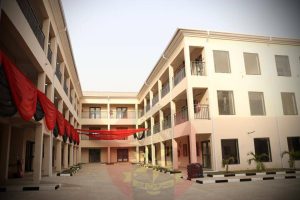
The Chief of Army Staff (COAS) Lieutenant General Waidi Shaibu, has inaugurated an ultra-modern Post-Service Housing Development Limited (PHDL) Shopping Complex in the Asokoro area of Abuja, describing it as a strategic investment in the welfare and socio-economic wellbeing of Nigerian Army personnel and their families.
Speaking at the commissioning ceremony, the Army Chief said the project reflects the institution’s longstanding commitment to the holistic welfare of both serving and retired personnel.
According to a statement signed by the Acting Director of Army Public Relations, Colonel Appolonia Anele, Shaibu noted that the Army continues to pursue this commitment through targeted policies, prudent resource management and the provision of infrastructure that supports quality living in military formations and estates.
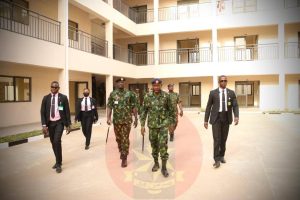
He explained that the new complex is designed to serve residents of nearby barracks and surrounding communities, improve service delivery and boost commercial activities within Army estates. The facility, he added, is expected to stimulate local enterprise, create jobs and contribute to broader socio-economic development.
“Personnel welfare remains central to my command philosophy, operational effectiveness is directly tied to troop wellbeing. I pledge ongoing support for well-managed and sustainable welfare initiatives while aligning the Army’s efforts with national development priorities.”
He stressed that the long-term value of the project depends on effective management, adherence to safety standards and responsible use by occupants. The COAS also thanked President Bola Ahmed Tinubu for providing an enabling environment for military reforms and welfare-driven projects.
Earlier, the Group Managing Director of Post-Service Housing Development Limited, Major General Isaiah Allison, said the complex was developed in line with the Army Chief’s focus on welfare and sustainable infrastructure.
“I encouraged military personnel and civilians to make full use of the facility to enhance their economic activities.”