
 By
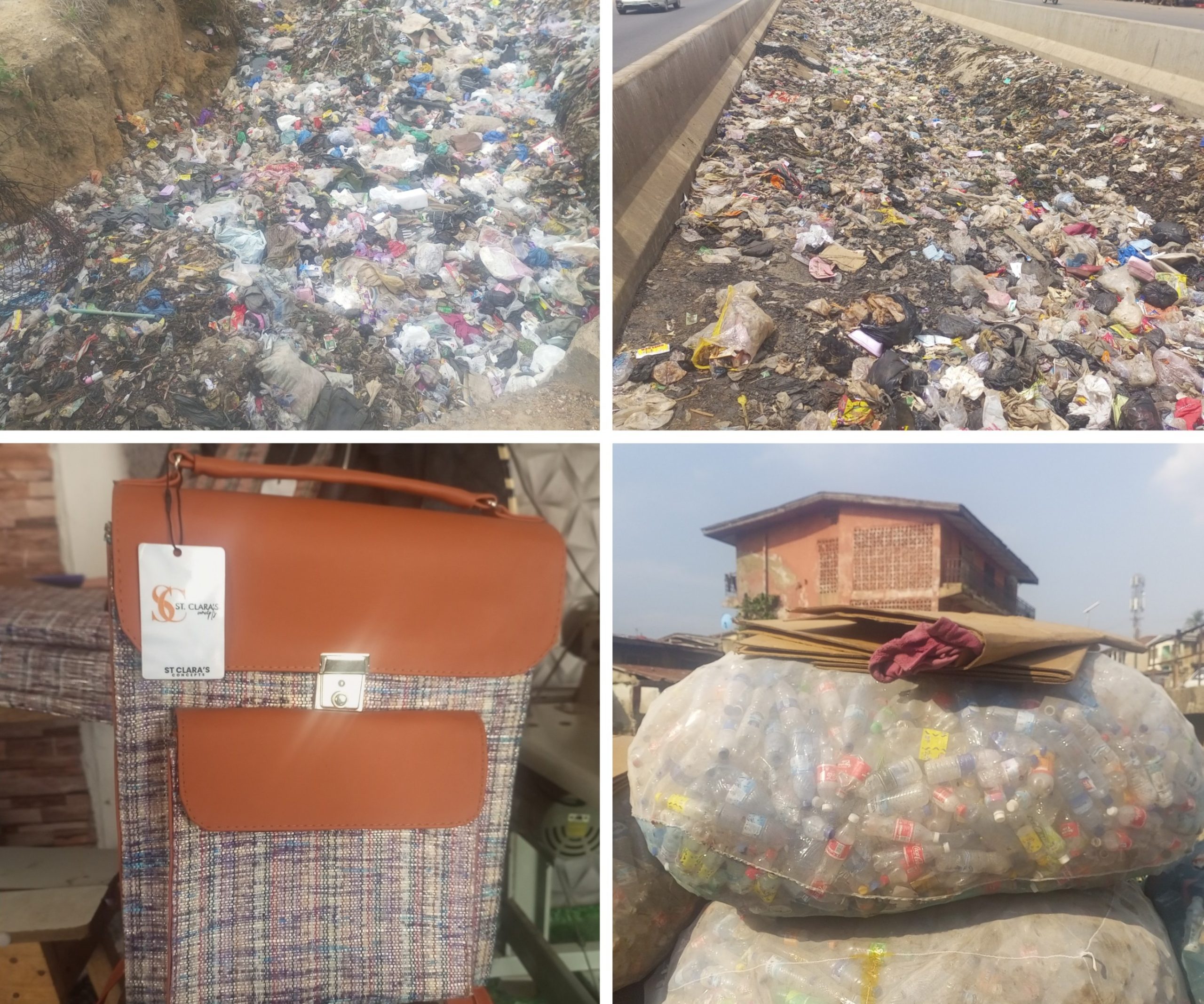
By It is a common sight in Ibadan, the Oyo State capital, to witness piles of dump along roads, in water bodies, and inside drainage systems. The accumulation of solid waste in illegal sites poses serious risks to both the environment and nearby residents.
Illegal waste dumping is the improper disposal of waste materials in locations not designated for such purposes. These effects include air pollution, unsanitary conditions, the spread of vector-borne diseases, and land contamination. Similarly, dumping waste into water bodies leads to the death of aquatic life, water pollution, and significant health hazards for individuals and the wider community.
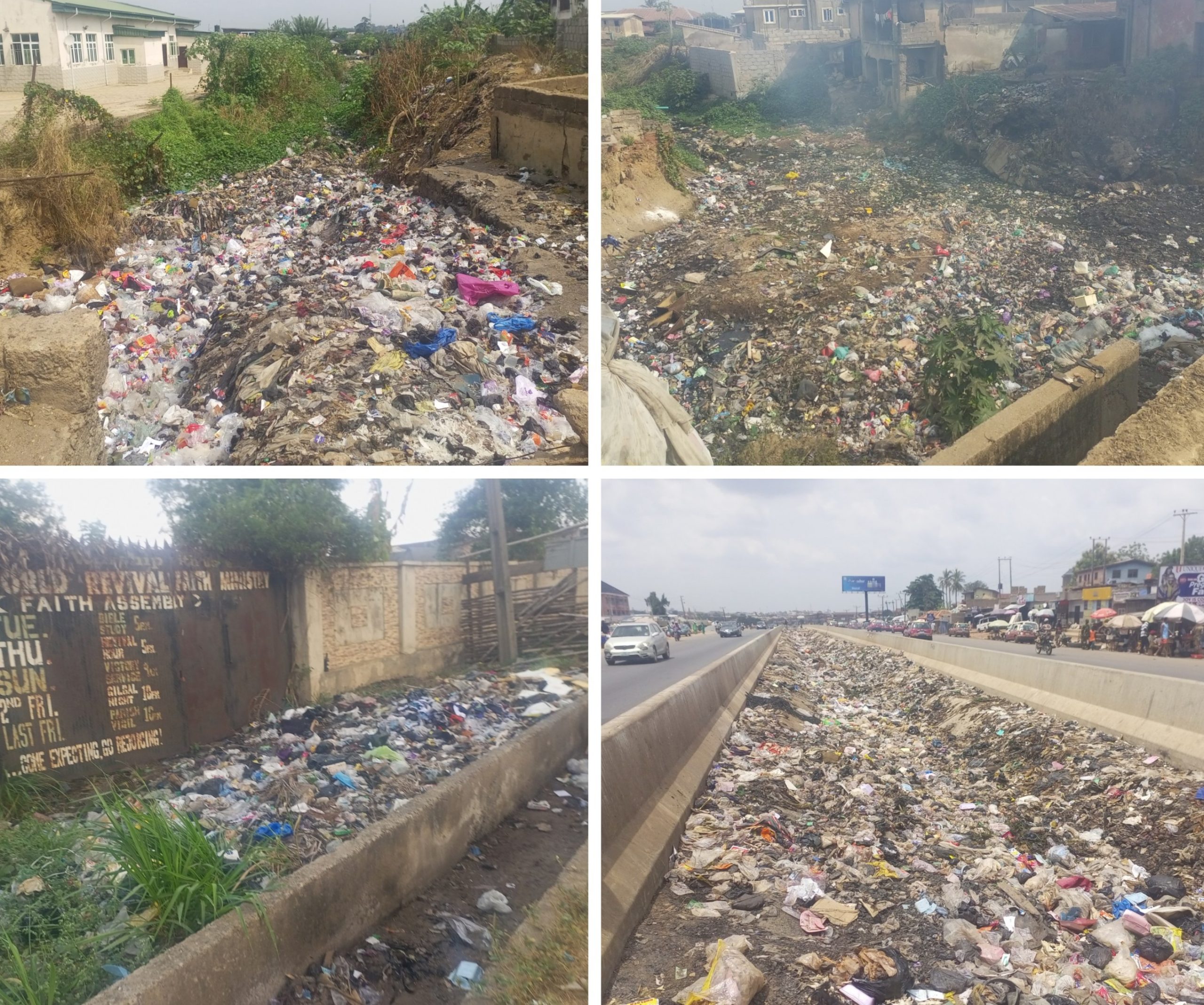
Despite the persistence of indiscriminate waste disposal in Ibadan, some residents are already taking initiatives by transforming waste materials into sources of income.
“Instead of Begging, I Started Picking PET Bottles” — Accident Survivor
Mr. Israel Adedeji, a carpenter and married man with two children, was working under a contract with a construction company when he had an on-site accident in 2020 that dislocated his arm. Since then, he has been left with one functional arm, making it impossible to continue his carpentry work. With the arrival of the waste-to-wealth initiative, he now focuses on picking PET (polyethylene terephthalate) bottles in exchange for money.
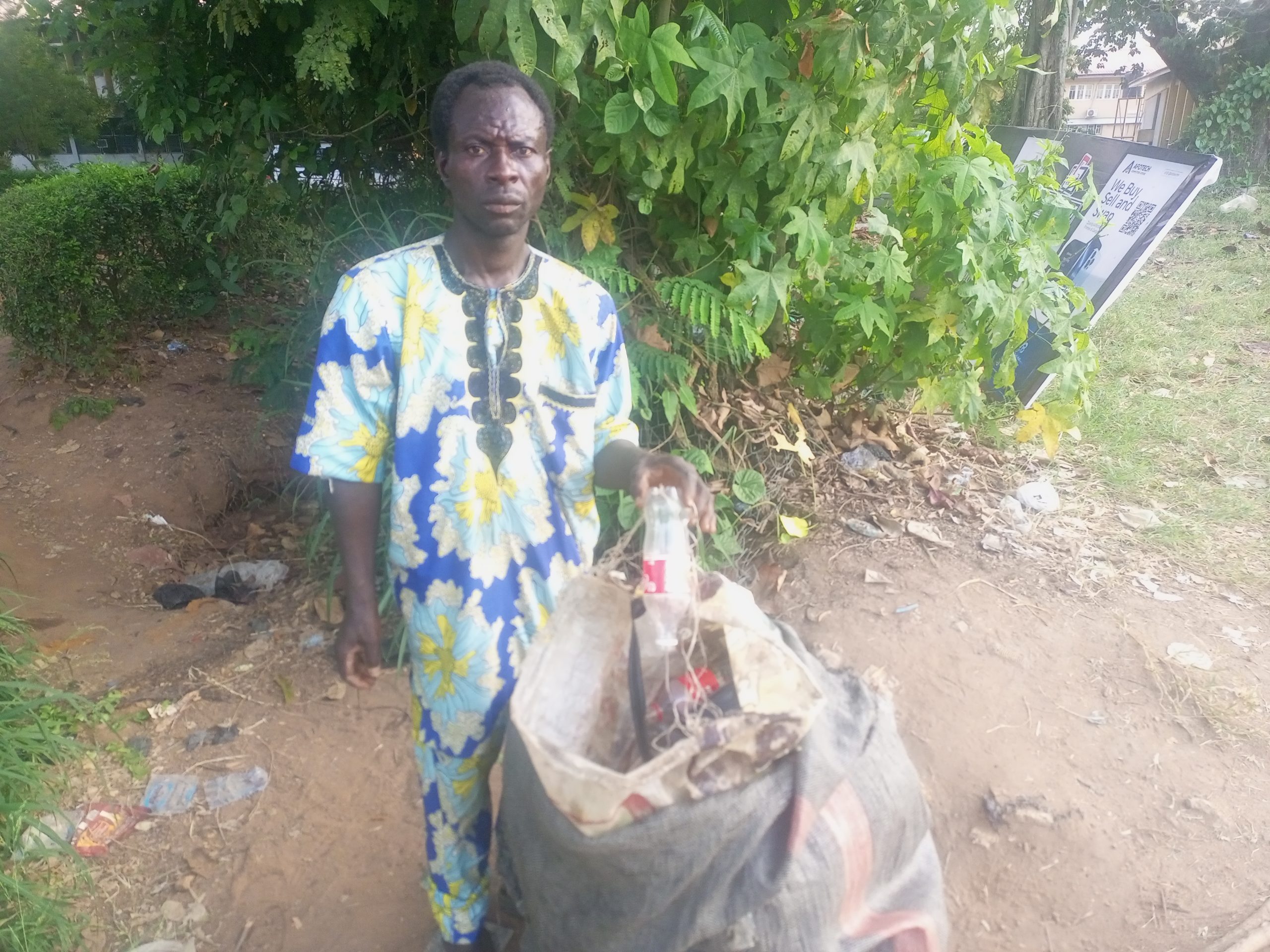
“Instead of begging, I started picking empty pet bottles for money last October. After picking, we take them to the company where they process them. Some people use them to make clothes and other end products,” he told AfrikTimes.
After gathering these bottles, he sells them for ₦100 or ₦200 per kilogram. He also sells cartons for ₦100 or ₦150 per kilogram, depending on the market price. Previously, when prices were higher, Mr. Adedeji told AfrikTimes that he sold bottles for ₦400 per kilogram and made over ₦20,000 over a large net. However, for Mr. Adedeji to convert these wastes into cash, he must supply them to the next set of buyers in the value chain.
Inside the Junk Value Chain
Mr. Alex Felix, popularly known as Omo Lawyer, is a married man with two children who operates a junk business with six permanent workers. Having previously ventured into building and car dealing, he never imagined himself in the recycling trade. He began junk trading in December 2024 after gaining insight from someone already in the business. He has established a waste depot in Agbowo, close to a river often filled with waste materials like PET bottles.
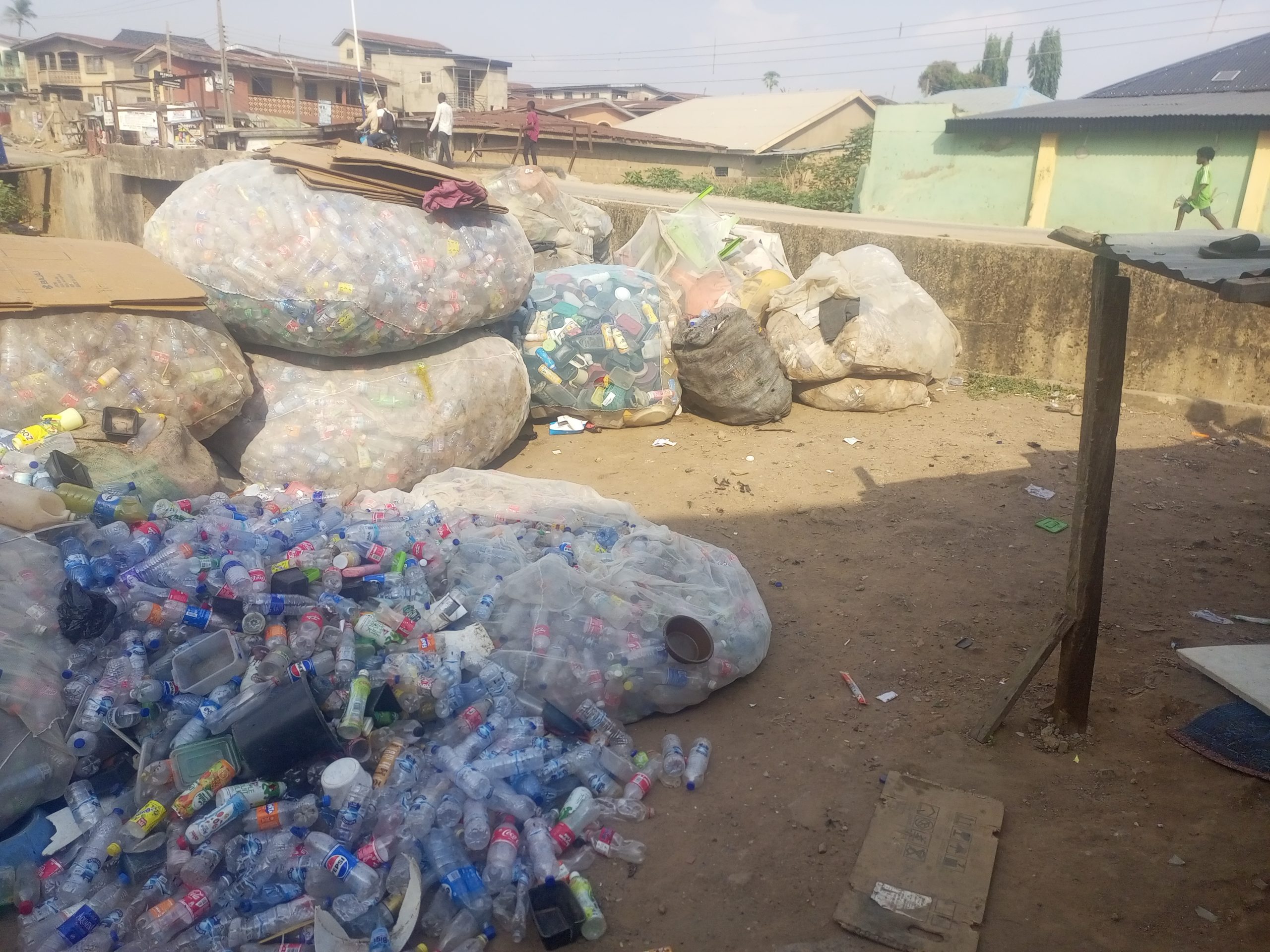
“My business is all about gathering junks and turning them into money. I never believed I could do this; it wasn’t in my dream. I was into building business before venturing into car dealing, but both failed. Now, I’m into junk business, and ever since then, it has been a little nice,” he revealed to AfrikTimes.
However, gaining insight into the business was not enough, as he had to find buyers himself. For that, he had to travel long distances on his motorcycle to places like Shagamu and Papalanto as part of his effort to establish himself.
“I travelled from Ibadan to Shagamu in Ogun State. I also travelled by bike to Papalanto, near Cotonou, all in the name of searching for a company that will buy junks,” he said.
After securing buyers, Mr. Felix relies on pickers, also known as collectors, who supply him with materials such as PET bottles, plastic plates, cartons, and nets in exchange for money. These suppliers include both his permanent workers and independent collectors. Interestingly, he mentioned that the materials are weighed in kilograms, and prices vary depending on market conditions, similar to what Mr. Adedeji told AfrikTimes. To make a profit, Mr. Felix buys at ₦150 per kilogram from suppliers like Mr. Adedeji and sells at ₦220 or ₦230 per kilogram to the next buyers in the chain.
“This business is divided into sections. We have those that will pick (collectors), and we buy from them. There’s another set of people that will come to us to buy. Those will sell to a company that will compress it and it keeps going until it reaches the final product.
“There’s no definite price for a net of PET bottles. They’re heavier than each other. You can’t compare the weight of a Coca-Cola bottle to a water bottle. If you pack water bottles, you can’t collect the same amount as someone who packs Coca-Cola bottles. For now, the market is not on our side. Before it was ₦200 per kg, but now it is #150, and we sell at #220 or #230 to buyers,” he explained.
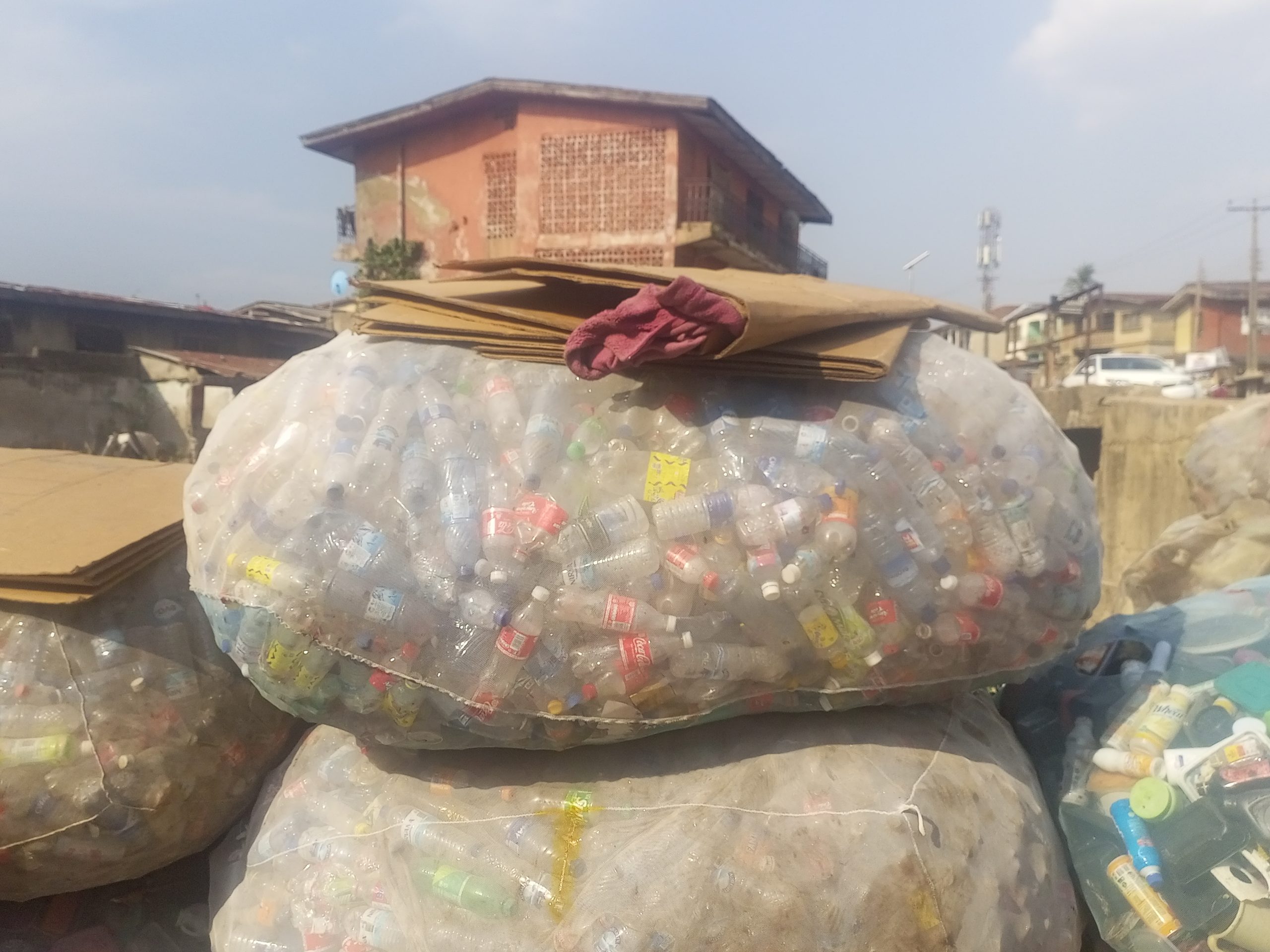
He further revealed to AfrikTimes that a net can weigh between 55–60 kilograms, while a full net can weigh up to 75–80 kilograms.
Challenges in the Business
However, the business is not without its challenges. Mr. Felix often struggles with accessing the capital needed to expand his operations. He requires funds to purchase compressing machines, which would enable him to process the materials further. Another challenge is the societal perception of the business, as many people associate junk dealers with dirt and avoid them.
“The people that stay around us don’t like us that deal in junk work. They believe we are dirty people,” he said.
Mr. Felix called on the government to support the initiative while advising Nigerians to diversify their income sources in the current economic climate.
“The government should try to assist people who deal in junks in every way possible. Before we gather these refuse, we are trying to support the environment. The government should assist through funds, training, sensitization, etc.”
From Plastic Waste to Eco-friendly Products
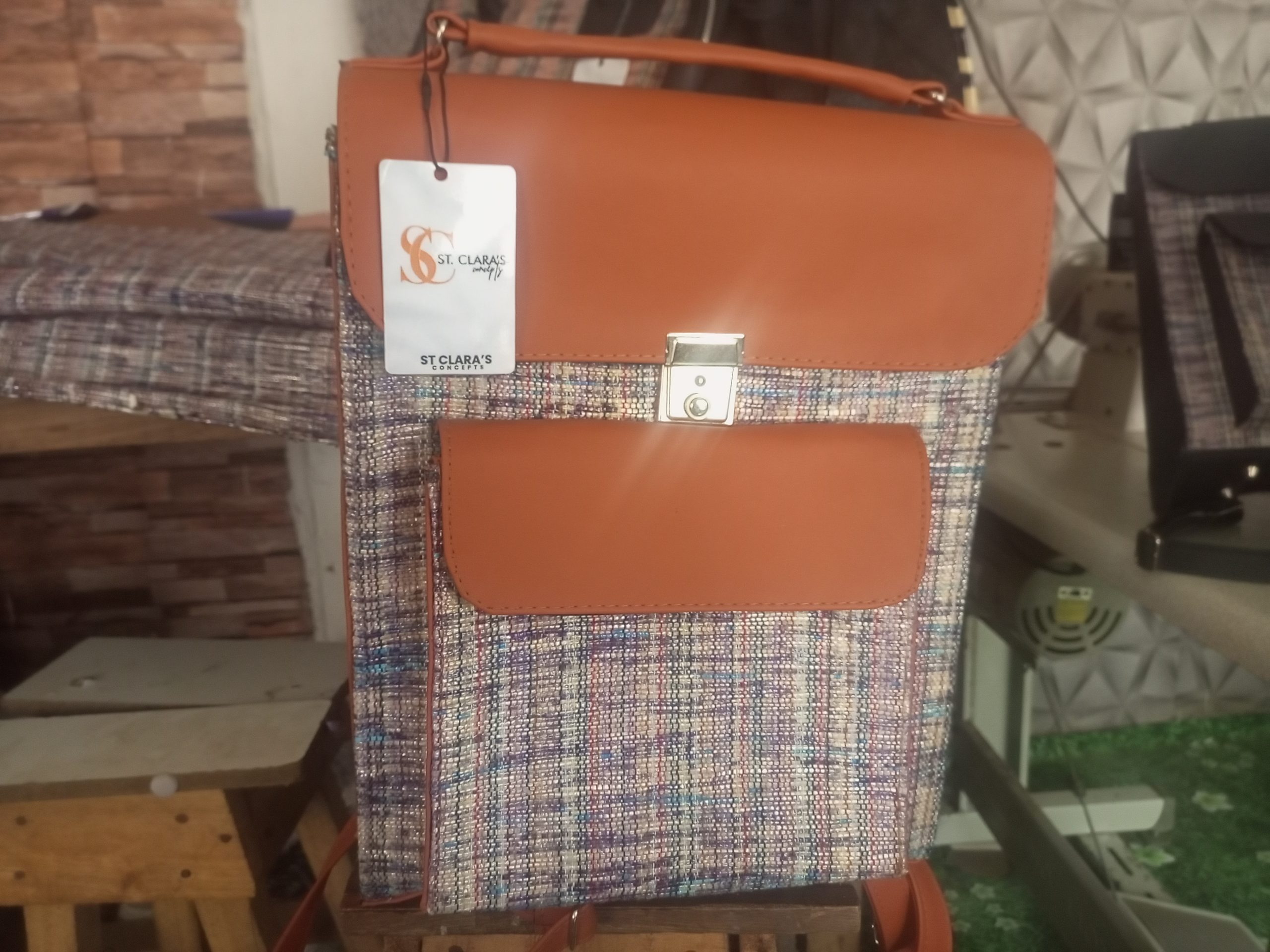
While Mr. Felix sells waste materials further down the chain, Mrs. Clara Patience Utogie, founder of St. Clara’s Concept, is already converting low-density polyethylene (LDPE) plastic waste e.g sachet water nylon, into eco-friendly products such as bags, clothes, and shoes. Mrs. Clara, who is already into handmade bags, expanded into recycling after completing a six-week training programme with Platnet3R, founded by Adejoke Lasisi. Some of her eco-friendly products sell for ₦25,000, while others are priced at ₦35,000.
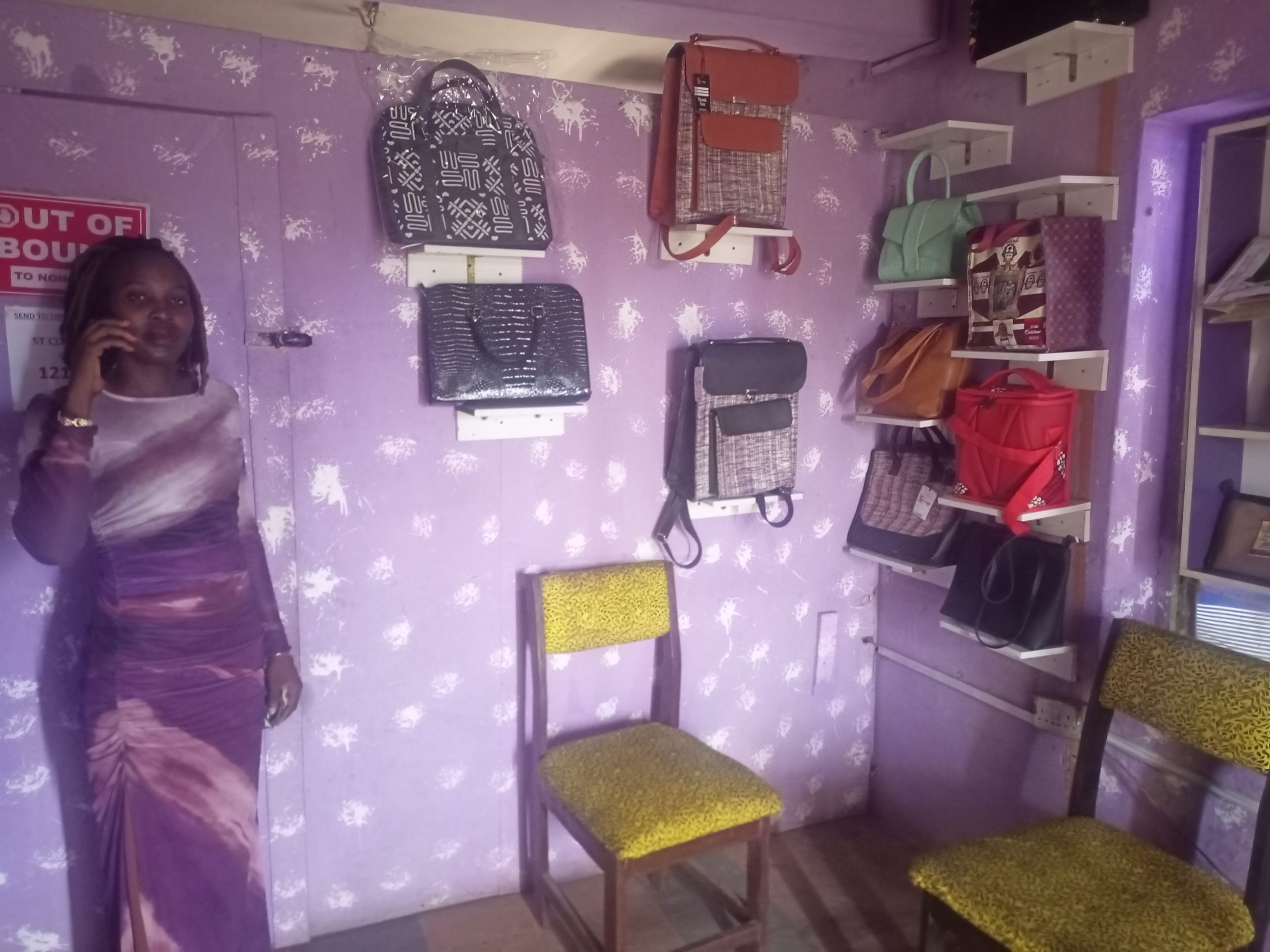
When AfrikTimes visited her bag shop at Sango, Ibadan, she noted that her target market includes students, working-class individuals, and travellers. With one permanent staff member and six contract workers, she has been able to produce and distribute products across Nigeria.
“I just finished my training last year from Platnet 3R, owned by Adegoke Lasisi. She trained over 1000 Nigerian women in the recycling program and I happened to be one among the selected candidates. The reason I went there was that I was already making bags, and with the initiative, I will be able to use the materials to make shoes, bags, and clothes,” she explained.
To source materials, Mrs. Clara goes beyond her household, as the waste generated by her family is insufficient for production.
“In my house at Ologuneru, we drink about 2 1⁄2 bags of water every day with my four kids, but that alone cannot meet demand. We told people not to dispose of their plastic bags, as they would be useful for recycling. Luckily enough, they responded with massive quantities of plastic waste,” she said.
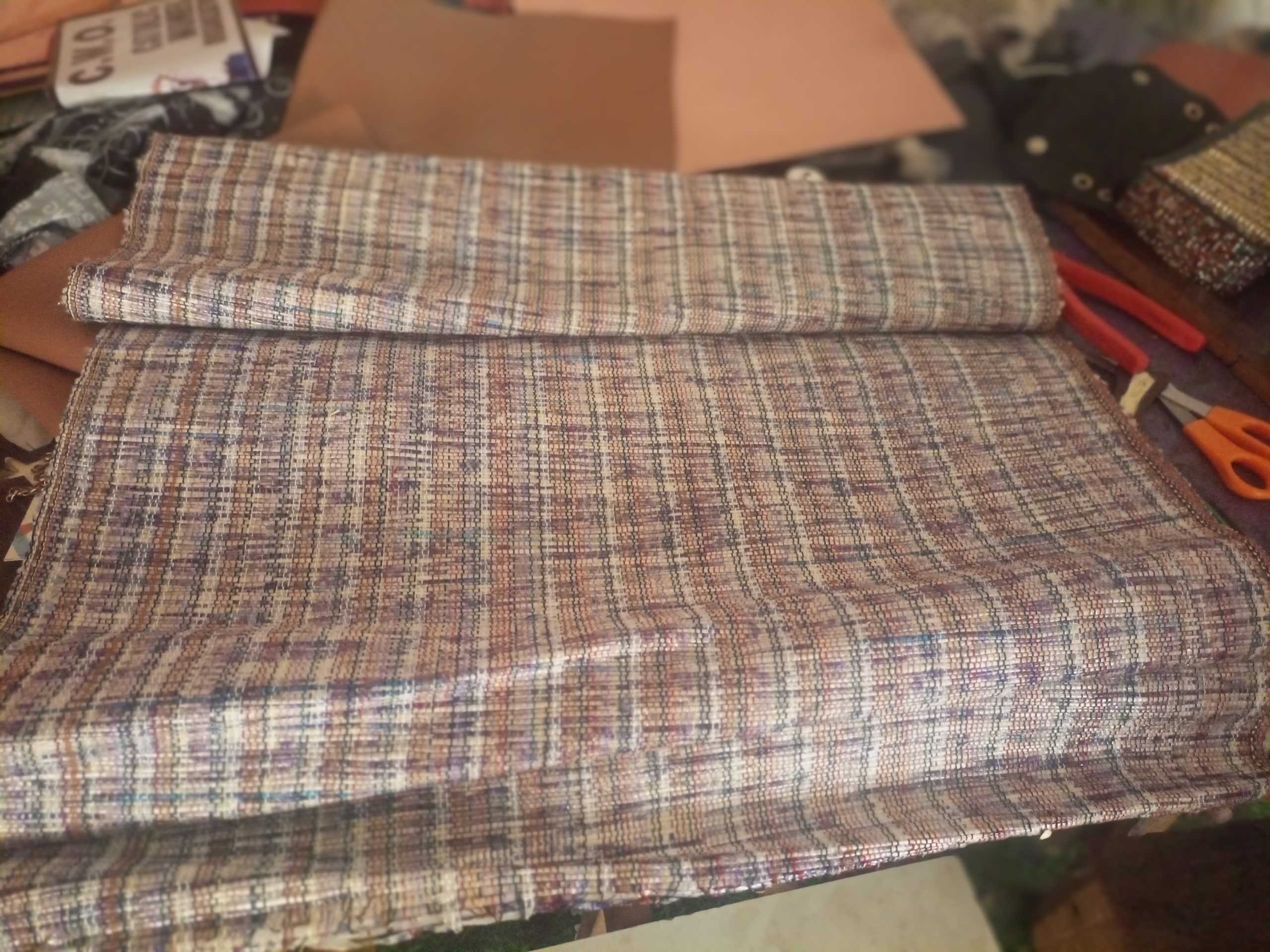
After collection, the plastic waste are washed, sun-dried, cut into smaller pieces, and woven strongly together using a looming machine. The finished material is then transported to her bag workshop for production.
Despite the promising nature of her initiative, Mrs. Clara faces significant challenges, particularly in terms of capital and manpower. These limitations affect her ability to scale production and meet growing demand.
“I just learnt this craft. I am trying to figure out how to combine the recycling program with my bag making business. I am even thinking of registering it as a separate entity. Now, I have people coming to us that they want to buy materials and there are people willing to send waste materials, but we don’t have the human capacity to produce large quantities to meet demands or accommodate large waste materials ,” she said.
While many might be doubting the durability of the bag, she noted that the material alone is durable but when converted to a bag, it depends on the quality of materials one used in making the bag stand e.g maco, etc. For production, she prefers working in bulk, as it allows better organisation of materials and time.
As businesses often prioritize expanding their base after a period of time, Mrs. Clara is not also excluded from this decision. With many people demanding training and products, the expansion of her business is inevitable.
“We’re looking to expand in Ibadan and beyond. I have an offer from Niger State to come down and establish a company there for you, but I’m married and I can’t leave my family. They’re willing to give me land. We’re taking our time to consider the offer,” she said.
She encouraged the government to support environmental initiatives and such action could lead to training opportunities for interested individuals, thereby creating employment opportunities for wandering Nigerians. She also advised perpetrators illegal dumping to desist from such as the implications are unavoidable.
Key Interventions by the Oyo State Government
Within the state, the government has been involved in curbing indiscriminate waste disposal and promoting the waste-to-wealth concept.
One area that has witnessed an approach in Oyo State’s waste management strategy is waste collection within the cities and AfrikTimes has observed routine waste collection along some major routes in Ibadan. The state government has also intensified public awareness through physical campaigns and media engagement to encourage a cleaner environment. In addition, measures have been implemented to sanction offenders while rewarding compliance among law-abiding residents.
On February 23, 2026, the Oyo State Government launched an environmental whistleblower programme aimed at tackling indiscriminate waste disposal and other environmental violations. The initiative is designed to empower residents to report infractions and receive incentives for verified information. According to the governor, the programme provides multiple reporting channels, including WhatsApp lines, dedicated phone numbers, and mobile applications to ensure prompt reporting and efficiency.
Furthermore, on March 26, AfrikTimes reported that the Oyo State Government took a major step towards transforming waste management into an economic resource with the inspection of a proposed 44-acre Waste-to-Wealth facility at Elere Village along the Ido–Eruwa Road in Ibadan. The facility is expected to convert municipal waste into valuable products such as electricity, biofuel, fertiliser, and construction materials.
Also, on March 28, AfrikTimes learnt that the government carried out evacuation of refuse along major roads including Araromi Market at Iwo Road and sections of the Academy Expressway drainage. During the exercise, the Commissioner for Environment and Natural Resources, Ademola Aderinto, decried the indiscriminate dumping of refuse on road median strips, drainages and water channels.
However, through a closer perspective, the efforts by individuals to turn waste into economic opportunities are commendable, but they cannot substitute for deliberate and sustained government efforts. There is an urgent need by the state government to intensify measures against indiscriminate waste dumping through expanding actions deep into communities through public sensitisation and improved waste management infrastructure. Also, supporting waste-to-wealth initiatives through funding, training, and effective policy backing will not only reduce environmental hazards but also create employment opportunities and development in the state.