
 By
By Abuja, Nigeria
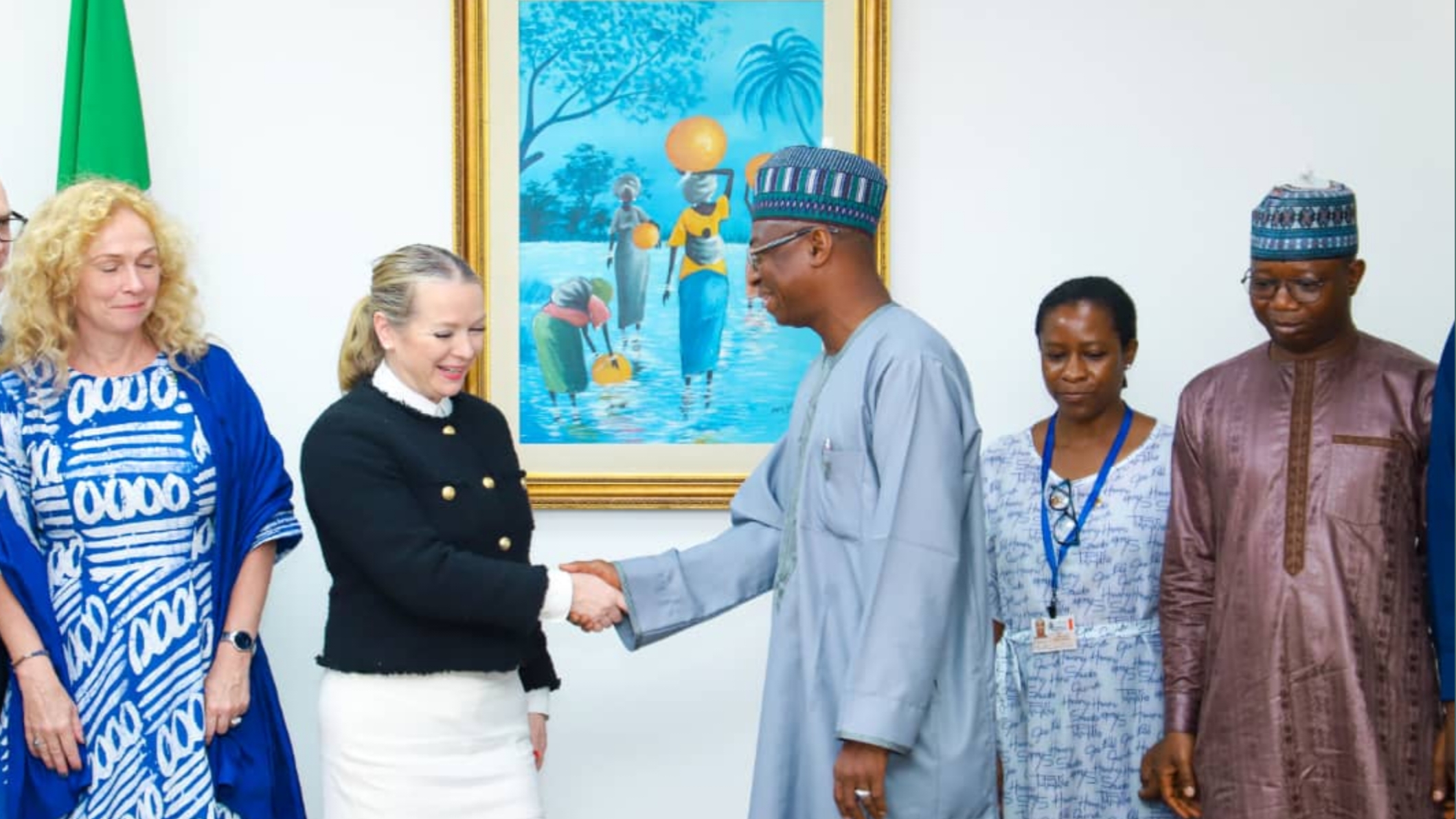
Nigeria and Sweden have reaffirmed their commitment to deepening bilateral relations following a high-level meeting in Abuja between top government officials of both countries. The Permanent Secretary of the Ministry of Foreign Affairs, Ambassador Dunoma Umar Ahmed, received Sweden’s Secretary of State, Diana Janse in Abuja, where both sides reviewed existing ties and explored opportunities for enhanced cooperation.
During the meeting, Janse underscored Sweden’s strong interest in expanding its partnership with Nigeria, describing the country as strategically important within the European Union framework. She pointed to ongoing efforts to strengthen EU-Nigeria relations, particularly through recent high-level engagements and the Nigeria-EU Ministerial Dialogue.
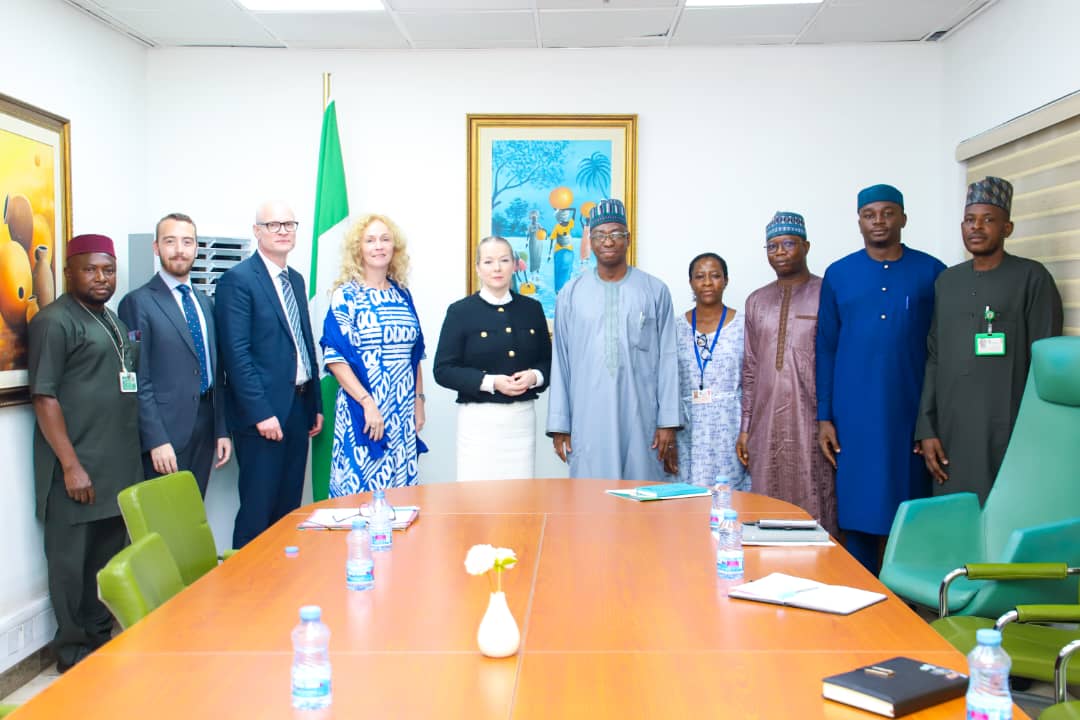
According to the Spokesperson for the Ministry of Foreign Affairs Kimiebi Ebienfa in a statement on Wednesday, Ahmed commended Sweden’s sustained engagement with Nigeria, noting the significant contributions of Swedish companies to the country’s economy through investments and institutional partnerships. Both parties identified key sectors for expanded collaboration, including renewable energy, healthcare, manufacturing, agriculture, and digital technology. The Nigerian side also highlighted the role of the Swedish Trade Office in Lagos in facilitating business relationships and encouraged increased participation of Swedish firms in the local economy.
Ebienfa said the talks also spotlighted contributions from major Swedish companies such as Ericsson and Scania, particularly their involvement in the supply of biogas-powered buses to Lagos State—an initiative seen as advancing sustainable development and green innovation.
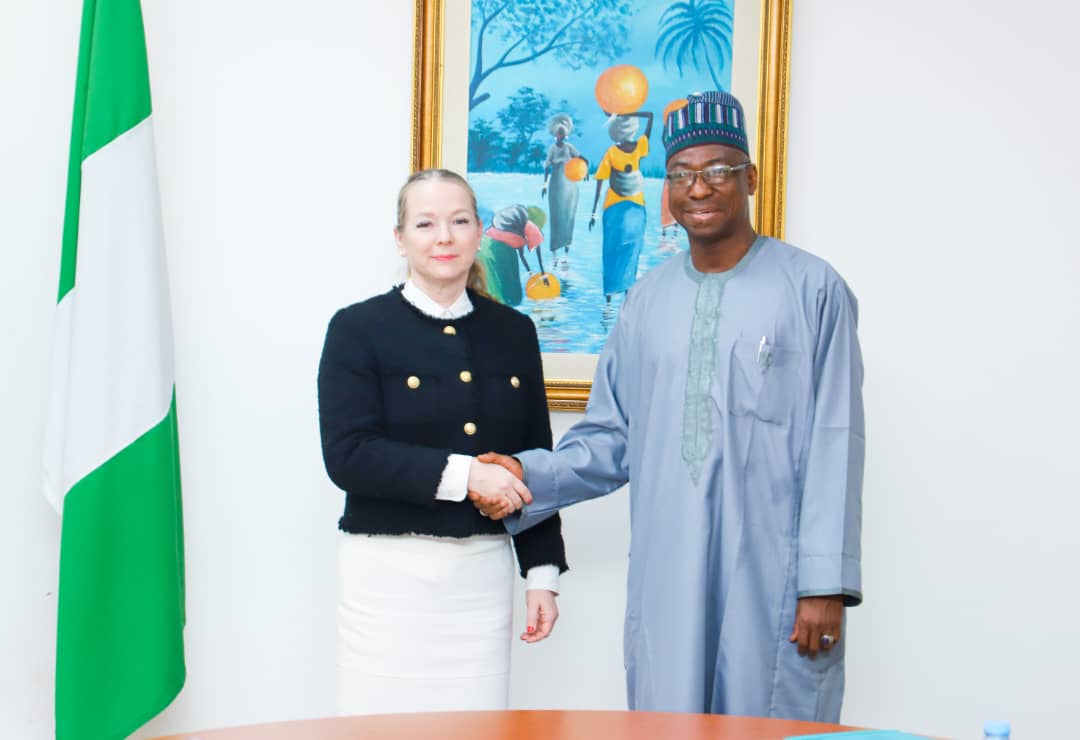
On cultural cooperation, both countries reaffirmed their commitment to strengthening ties, with Sweden reiterating its support for the repatriation of Benin artefacts as part of efforts to build trust and deepen relations. The meeting also addressed challenges in financial transactions between both countries, with both sides agreeing to explore more efficient and secure banking channels to boost trade and investment.
On multilateral issues, Nigeria sought Sweden’s support for its candidacies in key international bodies, including the United Nations Human Rights Council. The Swedish delegation welcomed the request, noting that further diplomatic consultations would continue.
Regional security in the Sahel and West Africa also featured prominently, with both countries stressing the need for stronger international collaboration to tackle terrorism, transnational crime, and emerging threats. Sweden reaffirmed its support for Nigeria’s peace and stability efforts through humanitarian and development initiatives.
Both sides expressed satisfaction with the outcome of the meeting and pledged to sustain high-level engagements while expediting pending bilateral agreements to further strengthen Nigeria-Sweden relations.