

 By
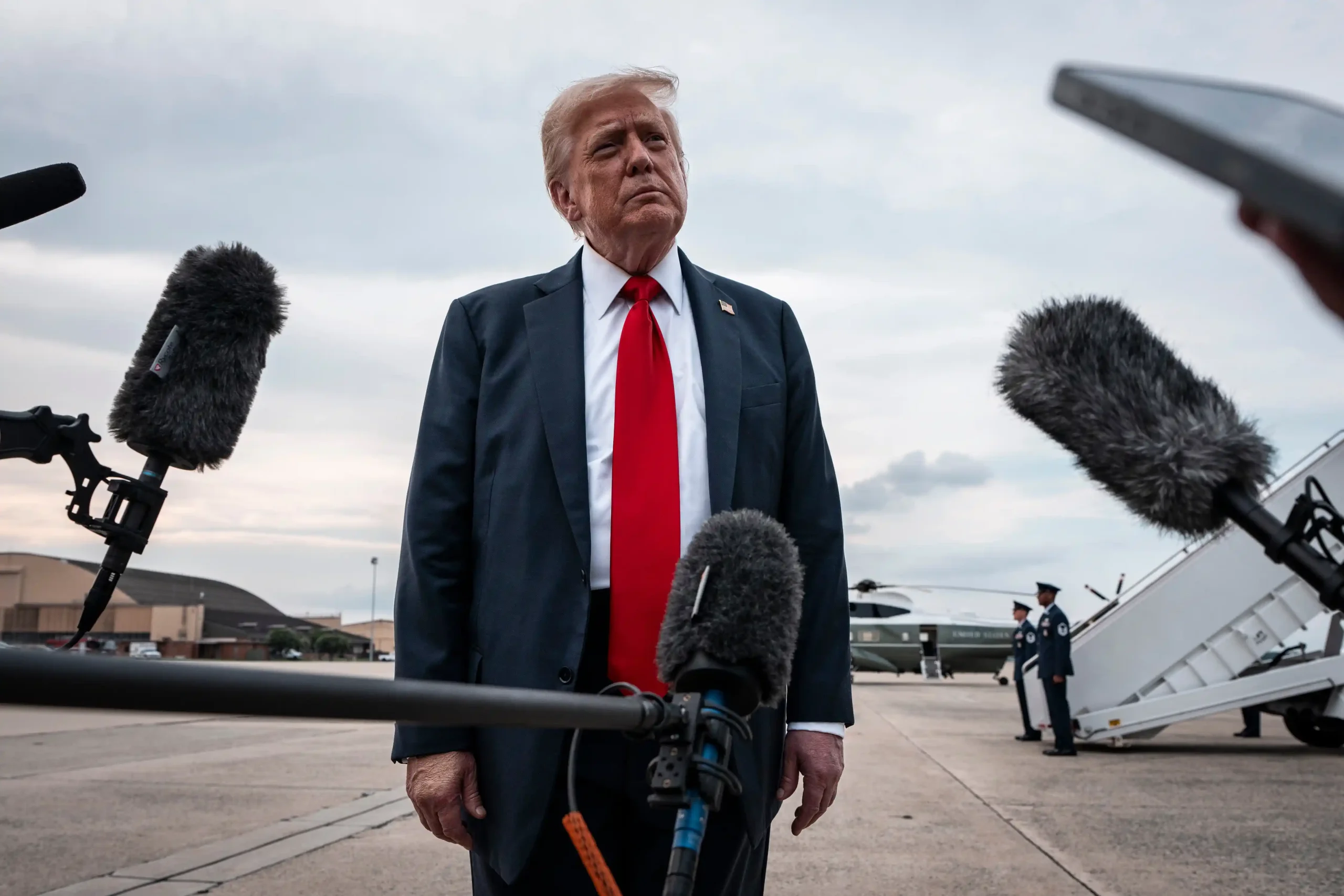
By US President Donald Trump plans to lambast Nato in his address at the White House on Wednesday night local time, in the latest sign that the US-Israeli war on Iran is causing fissures in the West’s premier alliance.
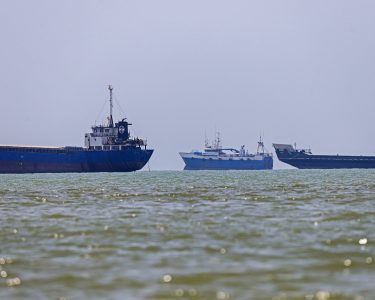
Trump will announce during his primetime address that he is considering withdrawing from Nato, out of concern with the alliance’s response to Iran’s wresting control of the Strait of Hormuz, he told Reuters.
Trump told Reuters he was “absolutely without question” considering withdrawing from the alliance. He previously told The Telegraph his decision was “beyond reconsideration”.
On Wednesday, The Financial Times reported that Trump was threatening to stop the supply of weapons to Ukraine as a way to pressure Europeans into joining a coalition that would reopen the Strait of Hormuz.
Trump has started giving impromptu telephone conversations to media publications amid the US-Israeli war on Iran. He has expressed frustration with European countries, particularly the UK, for refusing to join in the attack on Iran.
Nato, officially the North Atlantic Treaty Organisation, is the bedrock of the US security umbrella. The 77-year-old alliance was formed in the aftermath of WWII. The Senate ratified the US’s entry in 1949. Under the US Constitution, the Senate approves treaties, but it is less clear which branch of government has the authority to terminate them.
A law passed in 2023 by Congress prohibits the president from unilaterally withdrawing from Nato without a two-thirds Senate approval.
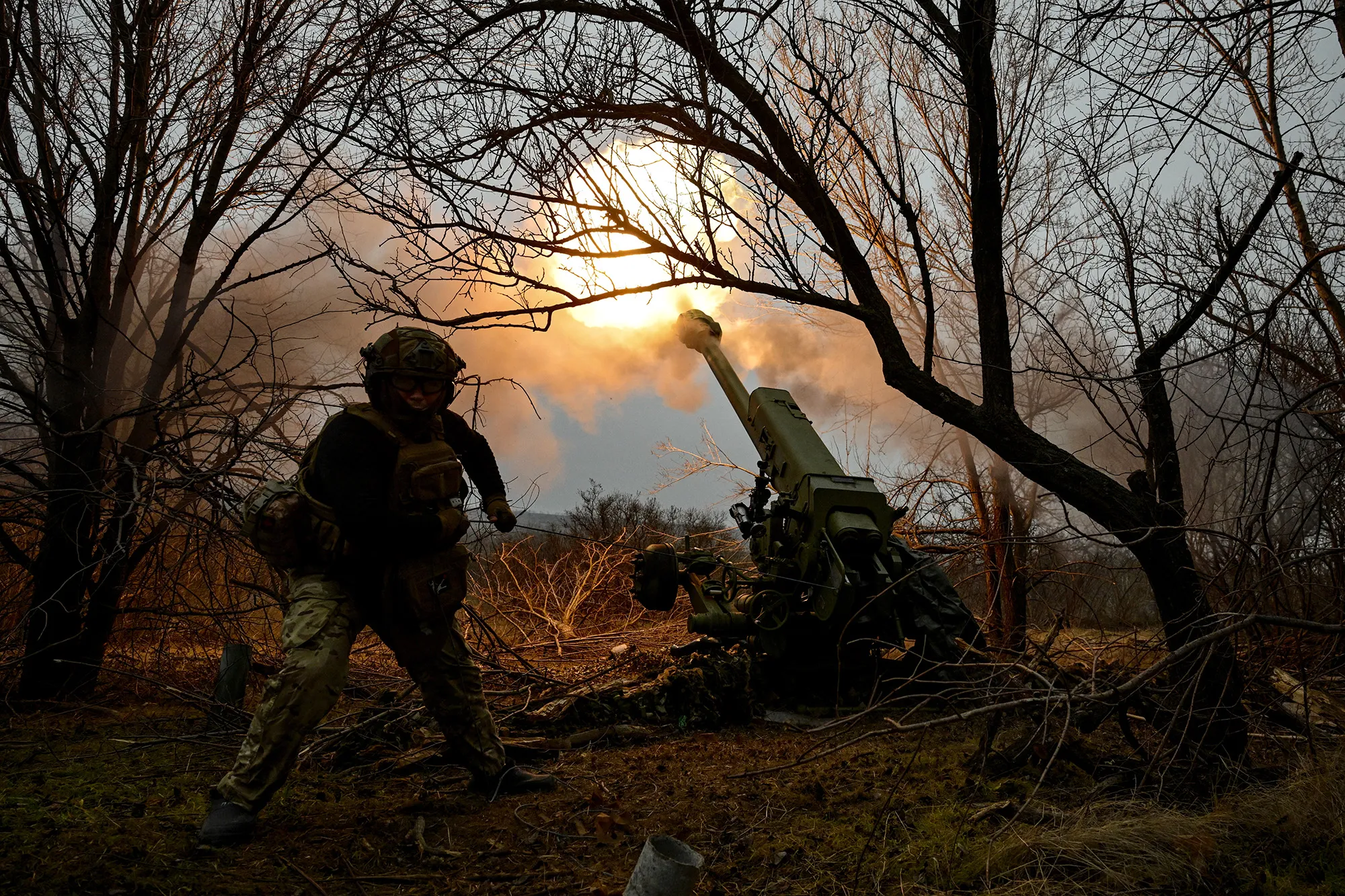 Soldiers of an artillery crew fire a howitzer in Zaporizhzhia region, Ukraine, on Jan. 11. Photographer: Ukrinform/NurPhoto/Getty Images
Europeans Wary to Enter War
Countries from France to Poland and Italy have all rebuffed supporting the US-Israeli war on Iran in various ways. Poland denied that it would send air defence systems to the Middle East, while France and Italy have refused to grant the US access to airspace and a military base.
Ian Lesser, the vice president of the German Marshall Fund in the US, told Middle East Eye previously that European leaders were reluctant to enter into a conflict where they would feel relegated to doing the US’s bidding.
“There is a basic concern that Europe is being asked to contribute to and approve of operations they had no role in shaping and a strategy they had no role in shaping,” he said.
“This war is both unpopular among the public and, in some cases, the elite, and it could take a direction that European allies can’t shape. That’s not a good recipe for cooperation,” he added.
The Trump administration has struggled to come up with a response to Iran effectively taking over the Strait of Hormuz, through which 20 percent of global energy transits. Trump has alternated between threatening to “obliterate” Iran if it doesn’t give up its effective veto over who sails through the waterway, and brushing off the chokepoint as less relevant to the US on the grounds that little of the US’s own fuel supplies pass through it.
“TAKE IT,” Trump wrote in a social media post on Tuesday, directed at Washington’s allies, including the UK, which he said had failed to support the US.
“You’ll have to start learning how to fight for yourself, the USA won’t be there to help you anymore, just like you weren’t there for us. Iran has been, essentially, weakened. The hard part is done. Go get your own oil!”
While the US is a net energy exporter, oil and gas prices are determined by global supply. US gas prices have risen by 30 percent since the war on Iran started, although they have increased more sharply in Europe.
Asia, which is heavily dependent on Gulf energy, has imposed work-from-home requirements and rationing to address the energy crisis.
 U.S. President Donald Trump meets NATO Secretary-General Mark Rutte at a summit in The Hague, Netherlands, June 25, 2025. [Brian Snyder/Reuters]