
 By
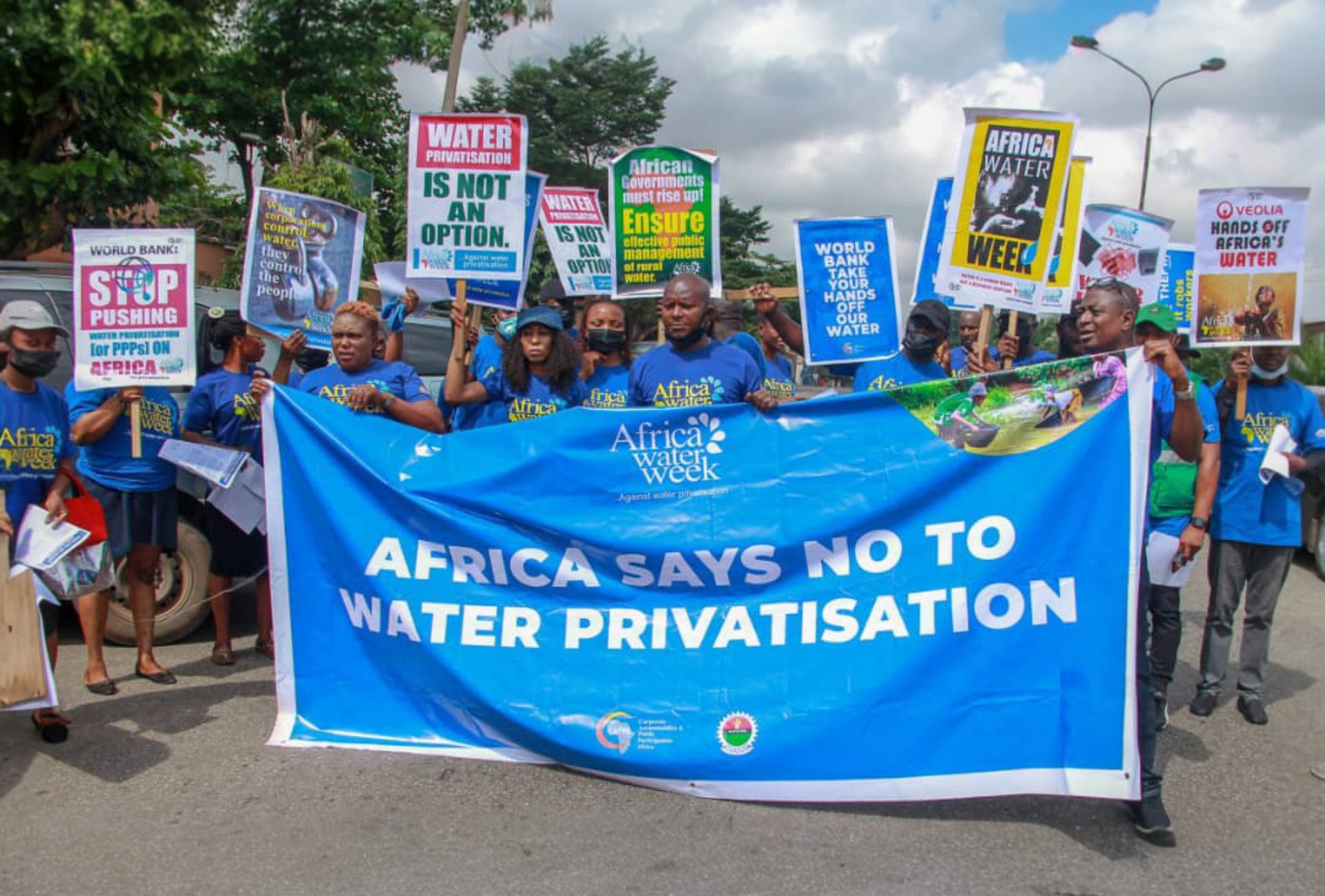
By The Our Water Our Right Africa Coalition (OWORAC) has expressed worries over the increasing push for water privatisation across Africa, warning that such policies could weaken public accountability and make access to clean water more difficult for vulnerable communities.
The coalition also faulted the exclusion of local communities, civil society groups, and water sector workers from conversations surrounding the implementation of the Africa Water Vision (AWV) 2063.
The concerns emerged after a regional consultation organised in Abuja by the African Ministers’ Council on Water (AMCOW), together with African Union (AU), the Economic Community of West African States (ECOWAS), others, as part of discussions on the First Implementation Plan (2026–2033) of the Africa Water Vision 2063 and Policy.
The consultation also coincided with the African Union’s declaration of 2026 as the Year of “Ensuring Sustainable Water Availability and Safe Sanitation Systems to Achieve the Goals of Agenda 2063.”
In a statement released on Saturday, May 17, OWORAC cautioned that the growing reliance on private sector investment, blended financing arrangements, and public-private partnerships in the water sector may eventually lead to wider privatisation of water services on the continent.
The group noted that experiences from several African countries where similar models have been adopted show that such systems often lead to increased water charges and unequal distribution of water services.
According to the coalition, handing over essential services to private corporations risks placing profit above citizens’ fundamental right to water.
The coalition maintained that any long-term water policy for Africa must include both communities and workers as active participants in water governance and decision-making processes.
It also warned that policies focused more on attracting investors than ensuring universal access to water and public accountability could worsen inequality and deepen water insecurity among poor populations.
OWORAC additionally criticised what it described as the absence of people directly affected by water shortages and sanitation challenges from the Abuja consultation.
“The people most affected by water shortages and sanitation failures must not be sidelined from decisions about Africa’s water future,” the coalition stated.
Reiterating its stance, the group insisted that water should remain a public resource rather than a profit-driven commodity.
“Water is a public good. Its future must be determined by the people who depend on it for life and dignity, not by profit,” OWORAC added.