

 By
By President Bola Ahmed Tinubu has declared that Nigeria is gradually emerging from economic and structural difficulties following a series of reforms introduced since he assumed office in 2023.
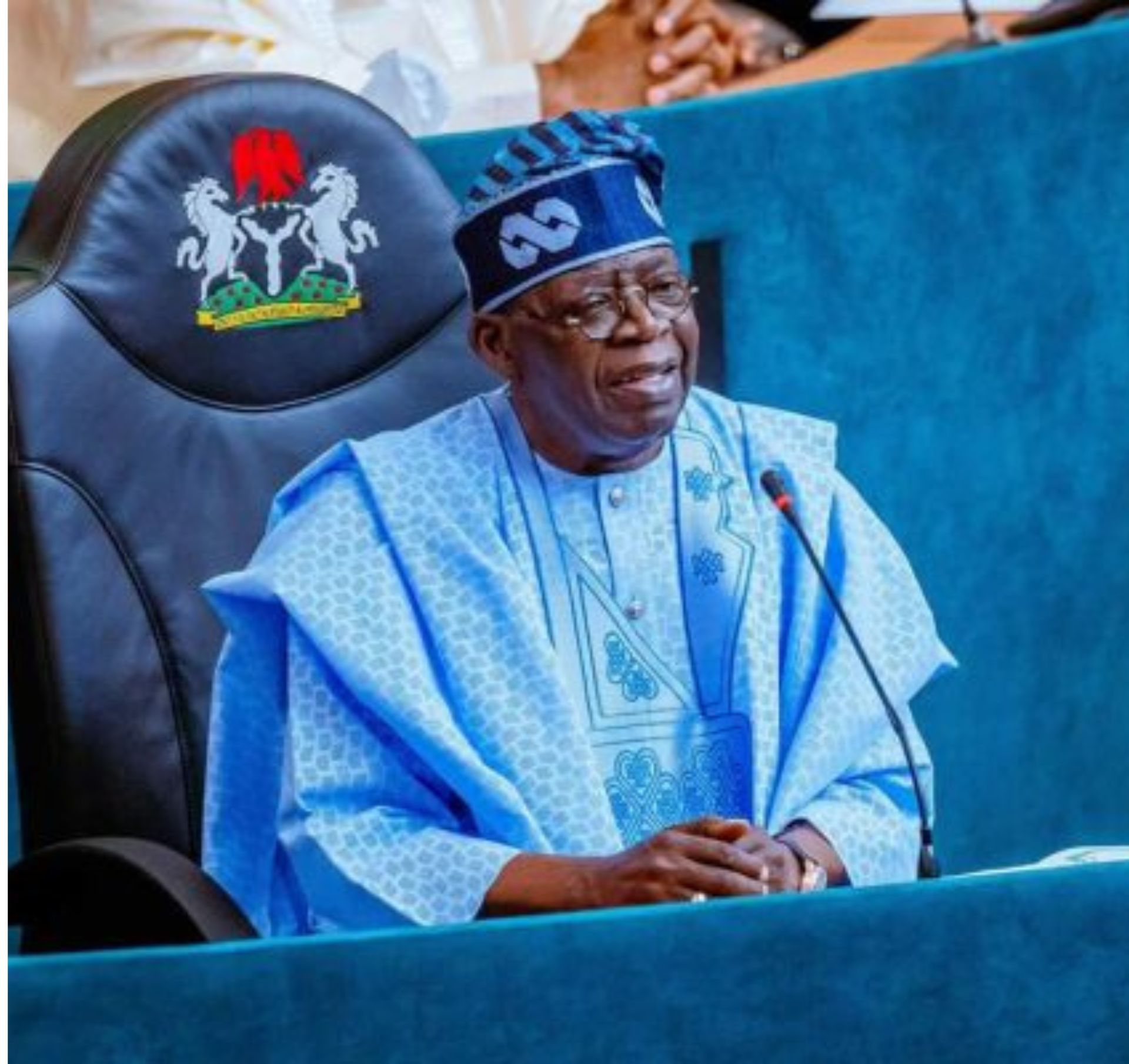
In a nationwide address to commemorate the third anniversary of his administration on Friday May 29, 2026, the President acknowledged the hardship Nigerians have endured but insisted that the tough economic decisions taken by his government were necessary to prevent fiscal collapse and restore long-term stability.
Tinubu said his administration inherited a fragile economy weighed down by fuel subsidy payments, foreign exchange distortions, mounting debts, insecurity, and weak public confidence in government institutions.
According to him, the country was spending about ₦18.4 billion daily on petrol subsidy payments before its removal, while multiple exchange-rate windows encouraged corruption and speculative practices that reportedly cost the nation trillions of naira.
The President defended the reforms, describing them as painful but unavoidable steps aimed at rescuing the economy from deeper crisis.
“Difficult but necessary decisions had to be taken to stabilise the economy and prevent a deeper national crisis,” Tinubu stated while addressing Nigerians from the State House.
The President admitted that rising living costs placed pressure on households and businesses across the country, but maintained that the sacrifices made by Nigerians were beginning to yield results.
He pointed to improvements in public finance, increased investor confidence, and growth in the capital market as signs that the economy was stabilising.
Tinubu noted that the Nigerian stock market had witnessed significant growth since 2023, adding that companies were now declaring stronger profits and dividends.
”The stock market is booming, with the All Share Index rising from 53,000 and market capitalisation of N30 Trillion in 2023 to a record All Share Index of 250,000 and market capitalisation of N160 Trillion this year” he added.
The President also highlighted ongoing infrastructure projects across the country, including the Lagos-Calabar Coastal Highway, Sokoto-Badagry Super Highway, Abuja-Kaduna-Zaria-Kano Road, and sections of the East-West Road.
According to him, thousands of kilometres of highways are currently under construction or rehabilitation to improve transportation, trade, and job creation.
He further disclosed that rail modernisation projects were progressing in different parts of the federation to strengthen logistics and economic integration.
On the energy sector, Tinubu said reforms introduced by his administration had attracted fresh investments into oil and gas, while local refining capacity was helping to reduce dependence on imported petroleum products.
The President added that efforts were ongoing to strengthen electricity supply through investments in transmission infrastructure, renewable energy, and improvements to the national grid.
“No modern economy can grow in darkness,” he said.
Tinubu also highlighted interventions in agriculture, housing, healthcare, and education, including the Nigerian Education Loan Fund, which he said had supported more than 1.5 million students with access to higher education financing.
He said the Renewed Hope Housing Programme had created hundreds of thousands of jobs while expanding access to affordable homes across several states.
He also assured Nigerians that security agencies were intensifying operations against terrorists, kidnappers, bandits, and oil thieves, adding that more communities and highways were becoming safer.
While admitting that many challenges remained unresolved, Tinubu urged Nigerians not to lose faith in the country.
“We have not solved every problem, and we are not yet where we want to be. But the foundation for recovery has been laid,” the President said.
He called for national unity, urging citizens to reject division and work collectively toward rebuilding the country.
The President expressed optimism that Nigeria would emerge stronger despite current economic and social challenges.
“History tests nations before it elevates them. Nigeria is passing through such a test,” he said.