

 By
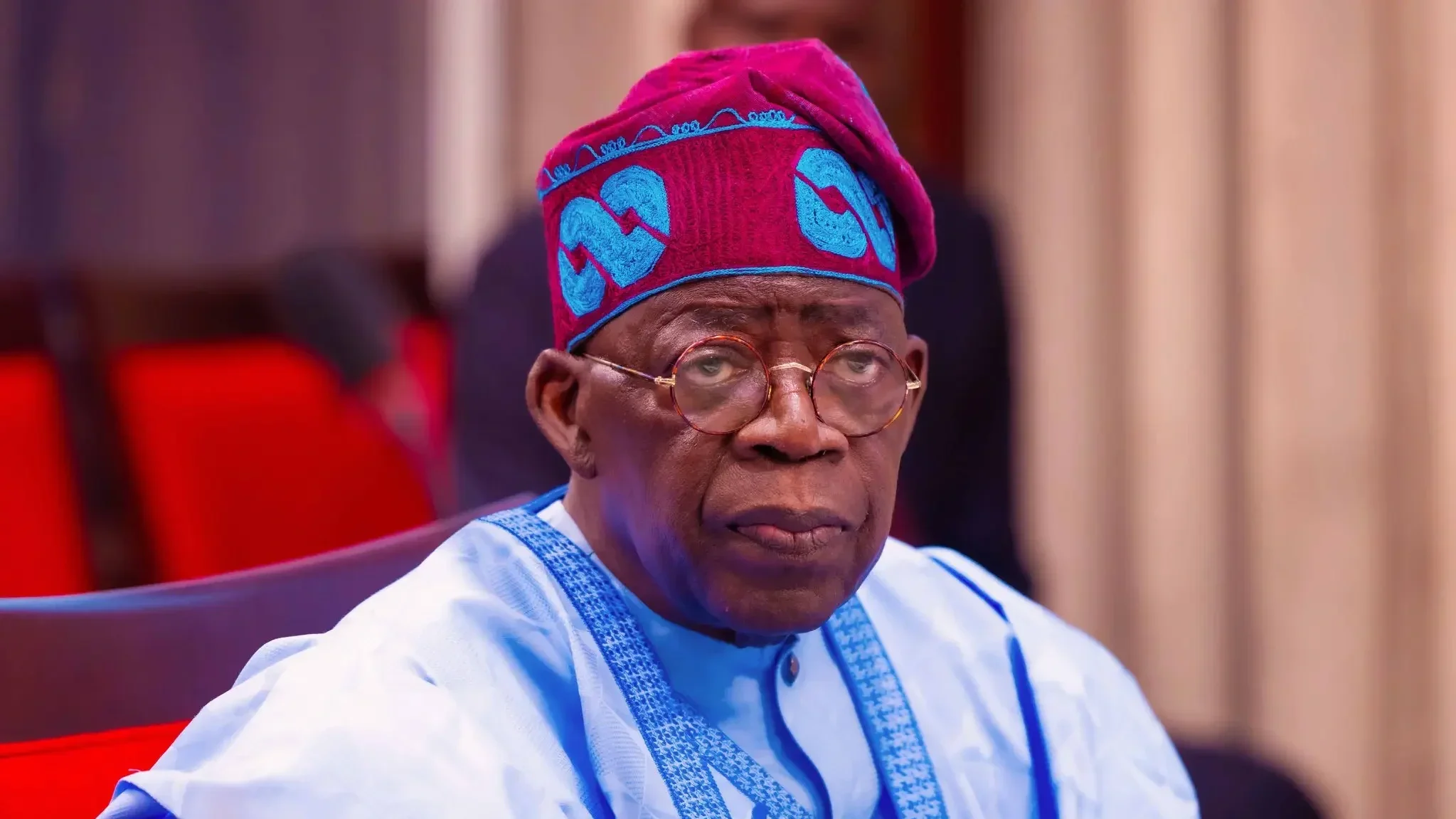
By President Bola Tinubu has approved the expansion of the Nigerian Army from eight to 12 divisions, along with the recruitment of 28,000 additional personnel, as part of a broader effort to strengthen the country’s security architecture.
The Special Adviser to the President on Information and Strategy, Bayo Onanuga, disclosed the approval in a statement, describing it as a reflection of the President’s commitment to equipping the Armed Forces to address Nigeria’s evolving security challenges and to strengthen national defense capabilities.
Onanuga said the expansion builds on the administration’s sustained investment in the military, including the earlier approval for 28,000 additional personnel, the acquisition of critical military platforms and equipment, improvements in troop welfare, and continued support for operational readiness and force modernization.
Under the new structure, the Army will operate 12 divisions positioned strategically across the country. Onanuga said the creation of new divisions in Makurdi, Ilorin, Jalingo, and Benin City would improve command and control, decentralise operational decision-making, strengthen border security, enhance protection of critical infrastructure, and improve counter-insurgency and internal security operations nationwide.
The restructuring will roll out in two phases. The first phase, covering the establishment of the 5, 9, and 10 Divisions and the reorganization of existing formations, is expected to be completed by September 2026. The second phase, involving the establishment of the 83 Division and further reorganization, is expected to be completed by December 2026.
The divisions and their areas of responsibility are as follows: 1 Division, headquartered in Kaduna, covering Kaduna, Kano, Katsina, and Jigawa states; 2 Division, headquartered in Ibadan, covering Oyo, Osun, Ekiti, and Ondo states; 3 Division, headquartered in Jos, covering Plateau, Bauchi, and Gombe states; 5 Division, headquartered in Makurdi, covering Benue, Nasarawa, and Kogi states; 6 Division, headquartered in Port Harcourt, covering Rivers, Akwa Ibom, and Cross River states; 7 Division, headquartered in Maiduguri, covering Borno and Yobe states; 8 Division, headquartered in Sokoto, covering Sokoto, Kebbi, and Zamfara states; 9 Division, headquartered in Ilorin, covering Kwara and Niger states; 10 Division, headquartered in Jalingo, covering Taraba and Adamawa states; 81 Division, headquartered in Lagos, covering Lagos and Ogun states; 82 Division, headquartered in Enugu, covering Enugu, Anambra, Abia, Ebonyi, and Imo states; and 83 Division, headquartered in Benin City, covering Edo, Delta, and Bayelsa states.
Tinubu commended the Chief of Army Staff, Lieutenant General Waidi Ibrahim Shuaibu, and Army officers and soldiers for their dedication, and reaffirmed his administration’s resolve to keep investing in the Armed Forces so they remain adequately equipped, motivated, and capable of protecting the nation.
Days later, the Chief of Army Staff moved to operationalize the expansion by appointing General Officers Commanding for the newly created divisions. In a post on its official X account, the Nigerian Army said the new formations would begin operations upon attaining Initial Operational Capability, while measures would be implemented to progressively achieve Full Operational Capability, describing the phased activation as designed to ensure seamless operationalisation, operational continuity, and rapid force projection nationwide.
Major General Yakubu Yahaya was appointed GOC of the 9 Division in Ilorin and Commander of Operation Savanna Shield, following his redeployment from Headquarters Joint Task Force (North Central). Major General Chinedu Ralph Nnebeife was appointed GOC of the 10 Division in Jalingo, redeployed from Headquarters 2 Division/Sector 3 Joint Task Force (North West), Operation Fansan Yamma. Major General Moses Gara was appointed GOC of the 5 Division in Makurdi and Commander of Joint Task Force Operation Whirl Stroke, redeployed from the task force headquarters.
The Army said the appointments and restructuring were aimed at improving operational effectiveness and ensuring faster response to emerging security threats across the country.