

 By
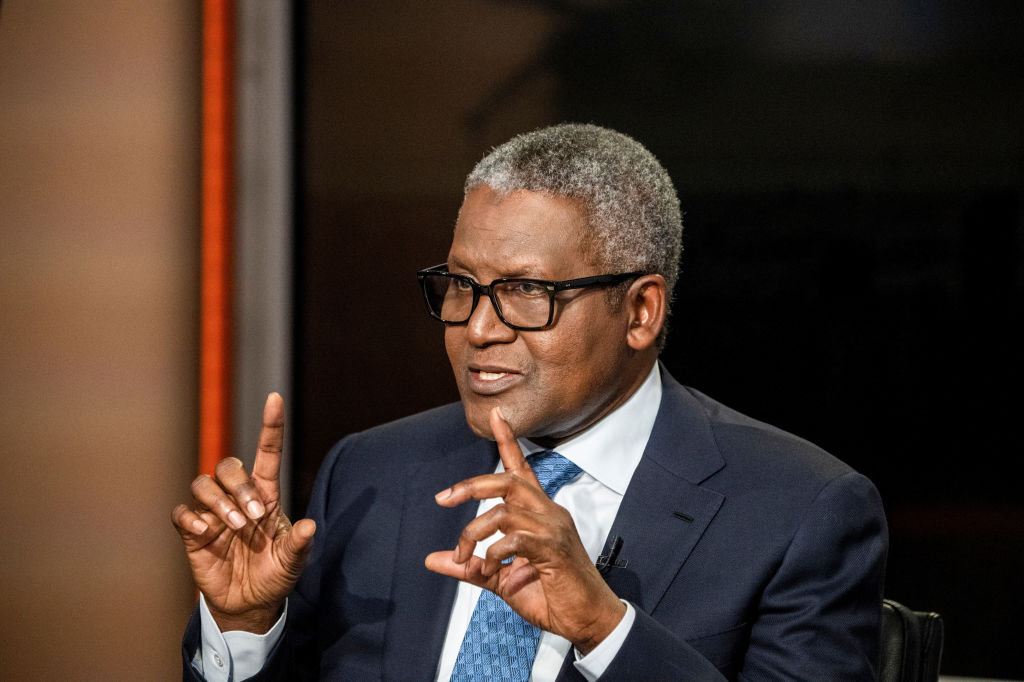
By Aliko Dangote says the initial public offering for his refinery is now just days away, telling investors and analysts in Botswana on Thursday that the listing will open within the next 10 to 12 days.
While speaking to Reuters, the Dangote Industries chief tied the timeline directly to his plans for the plant’s future, framing the IPO as a step toward doubling the refinery’s capacity.
According to his words, “So our dream is that we want to make sure we double the capacity of the refinery… which will take us to 1.4 million barrels per day. The IPO will open in the next 10 to 12 days,” he added.
AfrikTimes notes that the numbers behind the offering are substantial. The $20 billion refinery, already Africa’s largest, is expected to raise about $5 billion through the IPO, a sum that could make it the biggest public offering the continent has ever seen.
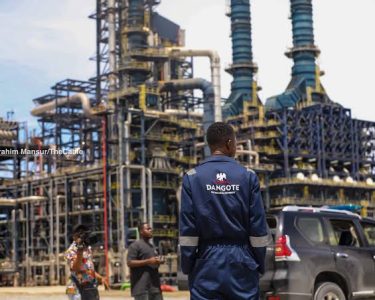
More importantly, that ambition sits on a foundation the plant has already built; the Lagos-based facility hit its full designed capacity of 650,000 barrels per day back in February and has since pushed past that mark, touching 700,000 barrels per day during tests.
Dangote hasn’t disclosed margin figures for the refinery, though the timing works in its favor, with refiners worldwide posting stronger profits recently as instability in the Middle East pushes buyers toward alternative fuel sources.
Beyond the IPO: a broader expansion push
The refinery listing was only part of what Dangote laid out in Botswana. He confirmed that Dangote Cement is heading for a secondary listing on the London Stock Exchange, likely in October, a move designed to widen the company’s access to international investors beyond its current base.
He also put a definite shape on a plan that had circulated for a while: a new refinery on Kenya’s coast, developed in partnership with East African governments, aimed at supplying refined fuel to Kenya and its neighbours and cutting the region’s reliance on imports.
It would mark the Dangote Group’s largest refining investment outside Nigeria to date, with construction expected to run as long as three years, a signal that the group’s ambitions are no longer confined to its home market.