


 By
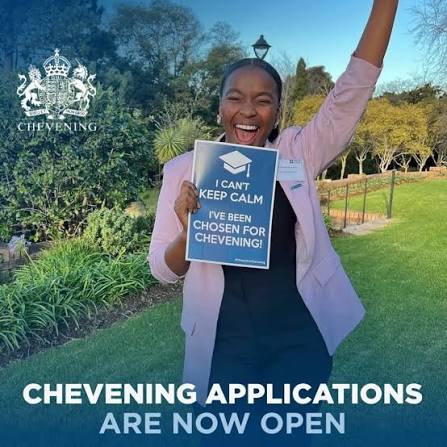
By The United Kingdom has thrown open the doors to its 2026 Chevening Scholarship cycle, giving Nigerian professionals and other eligible candidates worldwide a fresh shot at a fully sponsored one-year master’s programme at a UK university. Applications went live on August 4, 2026, and the window stays open until October 6, 2026.
The scheme, run by the UK’s Foreign, Commonwealth and Development Office, is built for working professionals who can already point to leadership experience and a track record of pushing positive change in their communities. Funding comes from the British government alongside a network of partner organisations, and the package is designed to cover far more than just tuition.
A Scholarship With Decades of Pedigree
Chevening isn’t a new name in scholarship circles, having run since 1983 as the UK government’s flagship global scholarship initiative. Over that time, it has sent more than 60,000 professionals from over 140 countries and territories through fully funded, taught master’s programmes. Its alumni network now stretches into government, business, academia, and civil society, with many former scholars going on to hold senior leadership roles in their home countries.
What’s on the Table for Successful Applicants
Candidates who make it through the process are getting tuition covered. Additionally, the award includes a monthly stipend to live on, a return economy flight to the UK, allowances to help with settling in and eventually heading home. It also includes funding to attend approved Chevening events and entry into the scholarship’s global professional network as well as the tuition fees themselves for an approved master’s course.
Who Should Be Applying
Chevening isn’t chasing academic credentials alone. The selection criteria lean heavily on leadership potential, an applicant’s ability to build and maintain professional relationships, and a demonstrated commitment to driving development back home. The UK government has also flagged that it wants to see more applications from under-represented groups as part of a broader push on diversity within the programme.
Walking Through the Application Process
Applying starts on the Chevening website, where prospective scholars set up an account through Nigeria’s country-specific portal and run through an eligibility check before anything else. Once cleared, applicants receive a unique access code worth holding onto, since it ties together the rest of the process.
From there, the application covers the basics such as personal details, academic background, and work history before narrowing to the more competitive part. Applicants must select three eligible UK master’s courses and supply two referees. The heaviest lift comes from a set of essay questions built around leadership, networking ability, study plans, and long-term career goals.
Given how detailed the essays are, applicants are generally better off drafting responses offline first rather than composing directly on the portal, since the online system logs users out after a period of inactivity.
What Happens After You Hit Submit
The process from application to classroom takes the better part of a year. Once the October 6 deadline passes, Chevening begins sifting through applications, with interviews scheduled for March and April 2027. Candidates who make the cut will hear back around mid-June 2027, ahead of programmes starting that September or October.
The Bigger Picture
Beyond the funding and the prestige, Chevening frames itself as an investment in people who can carry UK-gained skills and connections back into solving problems at home, whether in policy, business, or civil society. For Nigerian professionals weighing whether to apply, the message from the programme is consistent: start early, read the eligibility criteria closely, and don’t leave the essays until the last minute.
Applications can be submitted at Chevening, with the window closing on October 6, 2026.