

 By
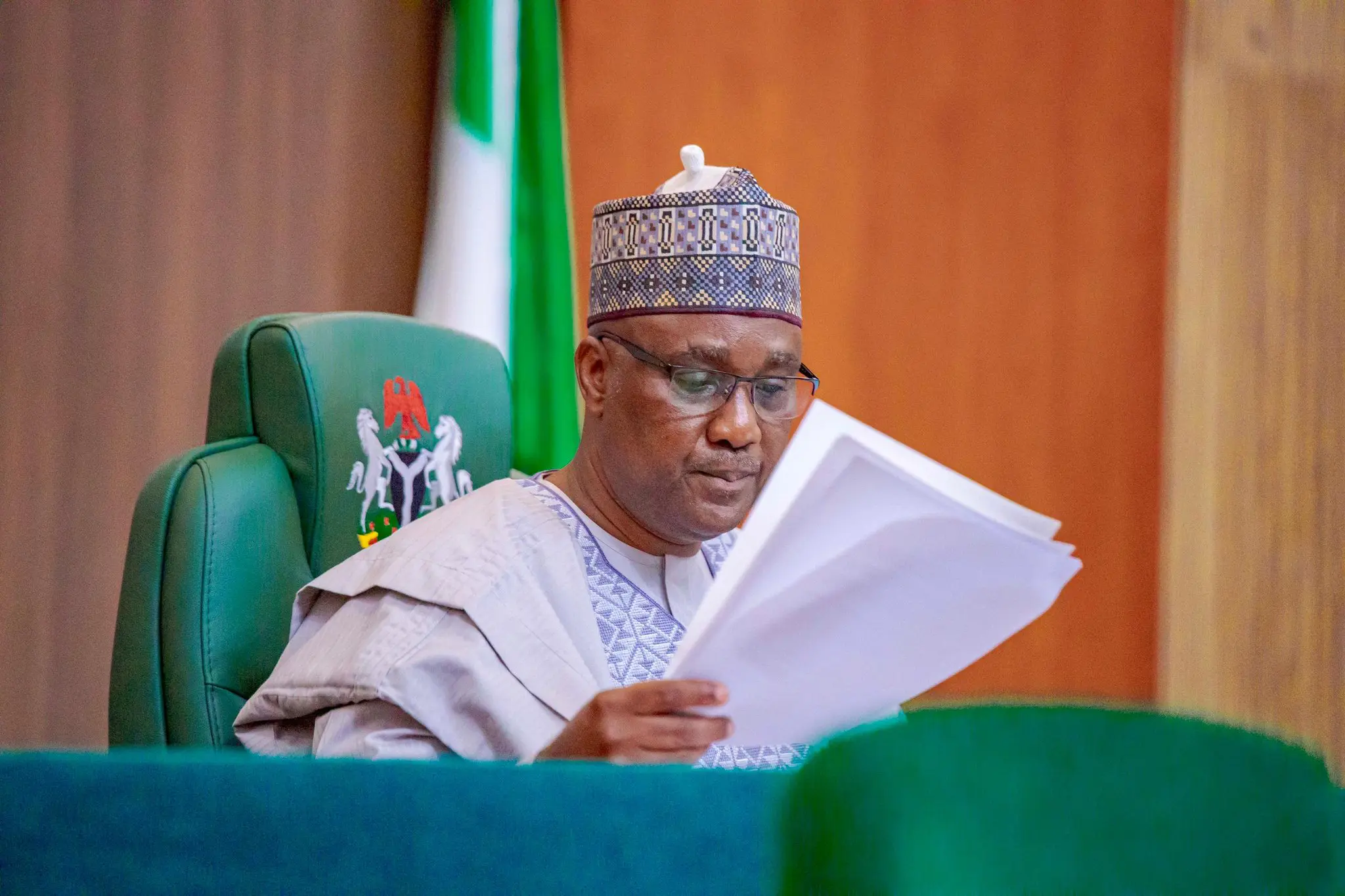
By The Speaker of the House of Representatives, Tajudeen Abbas, is set to inaugurate an ad hoc committee today to probe how a controversial budget line for the Presidential Foreign Investment Promotion Council, an agency that does not legally exist, made its way into the 2026 Appropriation Act.
The inauguration and public hearing are scheduled to be held at the National Assembly Complex in Abuja, with the House relying on its constitutional powers under Sections 88 and 89 to investigate the management of public funds and public institutions.
Yusuf Gagdi, who represents Kanke/Kanam/Pankshin Federal Constituency in Plateau State, chairs the committee, which was set up two weeks ago following a House resolution during a session presided over by Abbas.
What the committee is investigating
At the centre of the probe is roughly N1.32 billion allocated in the 2026 budget to the PFIPC, a council that lawmakers say has no legal standing. The scandal came to light after the arrest of Adeyemi Adeniyi, who is accused of falsely presenting himself as the council’s Director-General and of engineering its inclusion in the federal budget.
The case took a more explosive turn when Adeniyi allegedly claimed he funnelled N100 million through intermediaries to President’s Chief of Staff Femi Gbajabiamila to help get the agency formally established. Both the Presidency and Gbajabiamila’s office have rejected the allegation.
According to an invitation letter signed by Gagdi, the committee has summoned a wide range of officials to testify, including the Ministers of Budget and Economic Planning, Finance, Industry Trade and Investment, and Foreign Affairs, as well as the Attorney-General of the Federation. Also expected to appear are the Central Bank governor, the heads of the EFCC and ICPC, the Auditor-General for the Federation, and the Fiscal Responsibility Commission chairman.
Additional invitees include the Head of the Civil Service, the Secretary to the Government of the Federation, the chief executive of the Nigerian Investment Promotion Commission, the DSS Director-General, and the Inspector-General of Police. The committee has also opened the floor to civil society groups, professional associations, development partners, journalists, and members of the public to submit memoranda on the matter.
The panel’s mandate includes tracing exactly how and when the PFIPC allocation entered the budget — from its origins in the executive’s proposal through legislative review to final passage.
Credibility questions over who’s missing from the list
Notably absent from the witness list are the two names at the heart of the scandal: Gbajabiamila and Adeniyi himself. That omission has already triggered criticism.
One committee member, speaking to The PUNCH on condition of anonymity, argued that the two central figures in the controversy should have been among the first witnesses invited, suggesting the exclusion looked like a deliberate move to shield Gbajabiamila before the probe even began.
Public affairs analyst Jackson Ojo echoed similar doubts, warning that leaving out the Chief of Staff could undermine public confidence in the investigation, and questioning why a man accused of naming Gbajabiamila directly wouldn’t be required to answer questions from lawmakers himself.
The probe comes against a backdrop of mounting public unease over irregularities in the 2026 budget process, chief among them, more than a billion naira set aside for an agency the government itself says doesn’t exist.