

 By
Nigeria has medically evacuated its first confirmed Ebola patient, the country’s first case in more than a decade, to Switzerland. The World Health Organization (WHO) says Nigeria currently has no active cases.
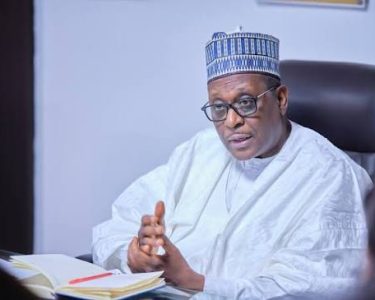
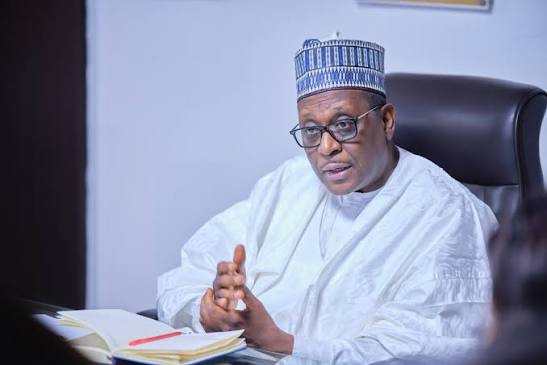
Health Minister Muhammad Ali Pate confirmed the evacuation on Monday in a post on X. He said the patient left Abuja that morning with his approval and was flown out together with her husband.
What the minister said
Pate described the woman as clinically much improved, stable, conscious and communicating, with laboratory results moving back towards baseline. He cautioned that this did not mean she was no longer infectious, which was why strict protocols remained in force.
He said her husband had stayed asymptomatic. The minister thanked the clinical staff who cared for the patient, as well as the public health personnel who ensured the evacuation followed best practice. He promised more details after the couple arrived at their destination, and urged Nigerians to stay vigilant and rely on credible sources of information.
WHO explains the evacuation
The WHO Regional Director for Africa, Prof. Mohamed Janabi, gave two reasons for the move in his own post on X. He said both the patient and her husband are Swiss citizens, and that the patient was stable after Nigerian doctors managed her through the acute phase of the illness.
Janabi congratulated the Nigerian government, health workers and emergency responders on behalf of the WHO and its partners. He called the outcome a remarkable achievement and said it showed what Africa can accomplish when countries work together.
He added that vigilance remained critical. Nigeria will keep following up 52 contacts, while Switzerland will take over the patient’s care and the monitoring of her husband, listed as contact number 53.
How the case unfolded
Pate announced the case on Tuesday, October 20, in the Federal Capital Territory. It involved a 42-year-old Ugandan-born woman, described as the wife of a Swiss diplomat, who had recently arrived from Uganda. Health authorities identified the strain as Bundibugyo, a rare form of Ebola virus disease.
Officials are investigating whether her case has any link to Kenya’s first Ebola patient, since both reportedly passed through Entebbe International Airport in Uganda earlier this month.
₦10bn emergency funding
After confirming the case, the Federal Government released ₦10 billion, about $6.7 million, in emergency funds. The money is meant to support laboratory testing, buy protective equipment, mobilise health workers and strengthen other containment measures.
States step up preparations
Lagos State says it is on high alert. Health Commissioner Prof. Akin Abayomi listed seven preparedness measures, including upgrading isolation centres, screening at airports and other entry points, simulation exercises, laboratory testing and retraining of public and private health workers in infection prevention and control. He added that a dedicated Ebola Research Committee is reviewing the latest evidence on treatment and vaccines.
In Delta State, Health Commissioner Joseph Onojaeme said the ministry is tightening surveillance at entry points, health facilities and communities. It is also prioritising regular training for frontline workers, public awareness campaigns and the supply of essential medical items.
Public health concerns
Pate has urged Nigerians to remain calm but alert, cooperate with health workers, follow public health protocols at home and in public places, and seek care if they develop symptoms or believe they were exposed.
Ebola spreads through direct contact with the blood or other body fluids of an infected person, or through contaminated materials, and not through the air. Symptoms can appear between two and 21 days after exposure and often begin like flu or malaria, with fever, headache and fatigue. They can progress to vomiting, diarrhoea and, in some patients, bleeding.
The imported case has revived concerns about preparedness in a country of more than 200 million people, especially in crowded urban areas where poor sanitation and limited access to healthcare could speed up an outbreak.
The case comes as the Democratic Republic of Congo battles an outbreak that has become the deadliest of the 17 it has faced and is still spreading. The 2014 West Africa epidemic, the largest on record, killed more than 11,000 people.