

 By
By Oyo State, located in the South-Western region of Nigeria, has recorded a confirmed case of Lassa fever, marking its entry into the growing list of affected states in the country in 2026.
The new case involved a 44-year-old female patient who reportedly died on Saturday, April 11, at the University College Hospital (UCH), Ibadan. Laboratory confirmation of the virus was, however, established two days later on Monday, April 13, 2026.
According to a statement issued by the Oyo State Ministry of Information, the state’s Ministry of Health has since activated its emergency response mechanism to trace the source of the infection. Health facilities across the state have also been placed on alert to ensure early detection and effective management of suspected cases.
Residents have been urged to remain vigilant and seek immediate medical attention upon noticing symptoms associated with the disease. These include persistent fever, general body weakness, sore throat, vomiting, diarrhoea, unexplained bleeding, and difficulty in breathing.
The government further emphasised the need for proper food storage and environmental hygiene, particularly keeping food items away from rodents, which are known carriers of the virus. Members of the public have been advised to report suspected cases through designated emergency lines (08033742052 and 08025245809) to enable swift response.
Lassa Fever Situation in Nigeria: Latest Data and Disease Overview
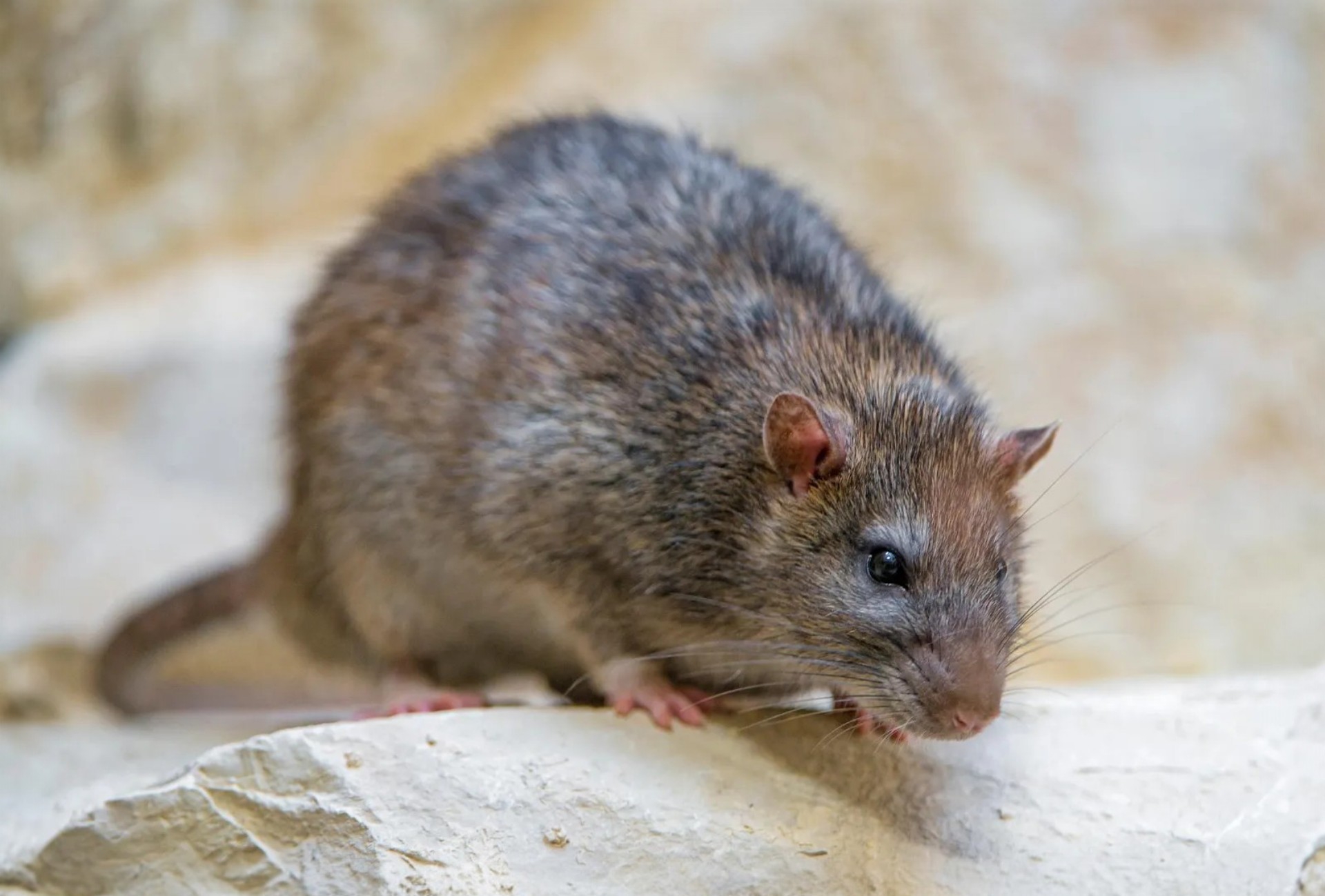
According to the World Health Organisation, Lassa fever is a severe acute viral haemorrhagic illness caused by the Lassa virus. The disease is primarily transmitted to humans through contact with food, surfaces, or household materials contaminated by urine or faeces of infected Mastomys rats. Infection may also occur when virus particles enter the body through open cuts, scratches, or are inhaled from contaminated dust in the environment.
The incubation period typically ranges from two to 21 days, after which symptoms begin to manifest. While some cases may remain mild, the disease can progress to severe complications, including multi-organ failure, with or without visible bleeding.
Lassa fever is endemic in several West African countries, including Nigeria, Benin, Ghana, Guinea, Liberia, Mali, Sierra Leone, and Togo. The virus was first identified in 1969 following the deaths of two missionary nurses in the Nigerian town of Lassa, from which the disease derives its name.
Historical data show the recurring burden of the disease in Nigeria. For instance, between January and December 2018, a total of 3,229 suspected cases were recorded, out of which 581 were confirmed, with no fewer than 164 deaths.
More recent figures from recorded statistics indicate that between January 6 and 26, 2025, Nigeria documented 1,171 suspected cases and 290 confirmed infections, with 53 deaths. This translated to a case fatality rate of 18.3 percent across 54 Local Government Areas in seven states.
As of March 22, 2026, the NCDC reported 637 confirmed cases and 160 deaths nationwide, with the highest number of infections concentrated in Bauchi, Ondo, Taraba, Edo, and Benue states. Health experts note that outbreaks tend to peak during the dry season, when human contact with rodents becomes more frequent.
Despite ongoing efforts, there is currently no officially approved vaccine for Lassa fever. However, several vaccine candidates are under development. In April 2024, a Phase 2 clinical trial was conducted in Abuja HJF Medical Research International through a collaboration involving the Coalition for Epidemic Preparedness Innovations (CEPI) and the International AIDS Vaccine Initiative (IAVI).
In the meantime, the antiviral drug Ribavirin is being used in some cases as a treatment option, although it has not been formally licensed specifically for Lassa fever.
Image source: Smithsonianmag