

 By
By The singer collapsed on the day resident doctors at Nigeria’s premier teaching hospital were refusing new emergency patients. What led them there, and what his final hours say about a health system that keeps failing the people who need it most.
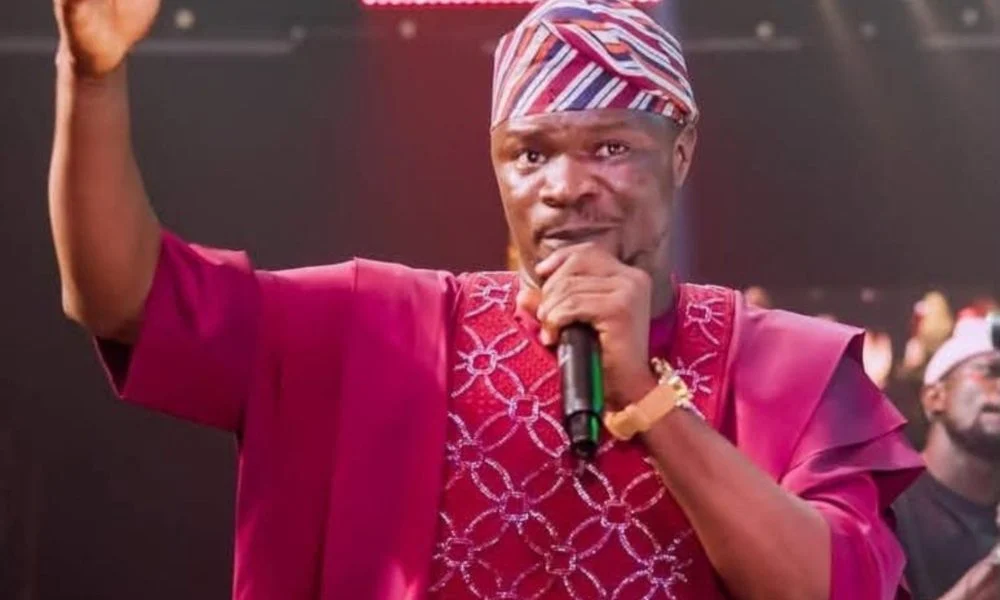
Olayemi Bayonile Bolaji, the gospel singer known as Toluwanisings, performed at a worship concert in Ibadan on Tuesday night. By the early hours of Wednesday, October 14, 2026, he was dead at 41. The account of what happened in between came from his personal assistant, Babadunni Gbolabo. He alluded to the same to a sudden collapse, frantic attempts to revive him, and a desperate drive from one hospital to another. Some of the hospitals, he said, told the singer’s companions that their doctors were on strike, while others said no doctors were available. By his count, they visited seven or eight hospitals in Ibadan.
None of those hospitals has publicly responded, and the cause of death has not been disclosed. What is on the record is that on the day Toluwanisings died, the emergency department of Ibadan’s largest public hospital had stopped admitting new patients. That fact, and the long chain of neglect behind it, deserves scrutiny.
A strike over electricity and water
The Association of Resident Doctors (ARD) at the University College Hospital (UCH), Ibadan, began a three-day warning strike at 8 a.m. on Monday, October 12. The ARD’s own leadership said that day that doctors were not taking new patients at the Emergency Department. Stable patients on the wards were being discharged and sent home.
The doctors weren’t striking over pay. According to the News Agency of Nigeria, they walked out over a persistent electricity crisis and chronic water shortage at the College of Medicine side of the hospital. They demanded that power be restored, that faulty circuit breakers be repaired, and that electricity be supplied without interruption to every part of the hospital. Doctors at Nigeria’s first teaching hospital had to strike to get light and water.
The strike was suspended, and doctors returned at 8 a.m. on Thursday, October 15, a day after Toluwanisings died. The suspension may not last: the ARD gave management a seven-day ultimatum to October 19, after which it might begin an indefinite strike.
The aide said UCH was the first hospital they approached and that they were told doctors were on strike. That claim has not been independently confirmed. But it is consistent with what the ARD itself said its members were doing that week.
Behind UCH: State Hospitals on the Brink
UCH is a federal institution. The state-run hospitals that make up the rest of Ibadan’s public health system were under their own strain at the same time.
The Association of Medical and Dental Officers of Oyo State (AMDO) represents doctors in state hospitals. It gave the state government a 21-day ultimatum that expired on Sunday, October 11. It said a warning strike would run from October 12 to 18 if its demands were not met. Whether that strike actually began has not been publicly confirmed. Its demands, however, describe a workforce under strain. They include unpaid allowances and residency training funds, and the urgent recruitment of medical officers to replace those lost to resignation, retirement and transfer. AMDO warned that doctors were leaving the state without replacement, piling pressure on those who remained and threatening healthcare delivery.
Ninety kilometres away, in Ogbomoso, resident doctors at the state-owned LAUTECH Teaching Hospital began an indefinite strike on August 28, after an earlier warning strike and an eight-week ultimatum came to nothing. By early October, the Nigerian Medical Association in Oyo said it had entered its 38th day. The doctors say Oyo is the only South-West state yet to implement the Professional Allowance Table. That is their claim, not an established fact, but the government has not publicly answered it.
A Pattern, Not an Accident
What happened on October 14 was not a one-off. In the past year alone, the National Association of Resident Doctors began an indefinite nationwide strike in November 2025 after the federal government failed to meet a 30-day ultimatum. It resumed nationwide strike action in January 2026, accusing the government of failing to implement a memorandum of understanding signed in November 2025. In February 2026, SaharaReporters reported that many patients had been forced to leave UCH because of an ongoing health workers’ strike.
Each strike ends with promises; each set of promises unravels; each new ultimatum brings the system back to the edge. Doctors withdraw their labour because, they say, it is the only language governments respond to. Governments respond late, partially, or not at all. Patients absorb the cost.
Did the Strike Kill Him?
That question needs an honest answer, and the honest answer is that nobody yet knows.
The cause of Toluwanisings’ death has not been disclosed. A sudden collapse in a previously healthy 41-year-old can have many causes, some of which are fatal within minutes even with immediate expert care. It is possible that no hospital could have saved him. It is equally possible that prompt resuscitation and emergency treatment would have. Without a medical report, nobody can say which.
What can be said is narrower and still damning. When emergency care was needed in one of Nigeria’s largest cities, it was not reliably available. According to the people who were with him, the group spent precious time driving between facilities instead of receiving treatment. In sudden collapse, time is the one thing patients don’t have. A system in which a dying man’s companions must shop for an open emergency room has already failed, whatever the eventual cause of death.
Nigerian law appears to recognise this. Section 20 of the National Health Act, 2014, as I understand it, prohibits health care providers from refusing emergency medical treatment to anyone for any reason. If hospitals turned an emergency patient away, the question is not only why doctors were on strike. It is also why there was no contingency arrangement keeping emergency care open during the strike, and who answers for that.
The Systemic Rot
The death of Toluwanisings exposes a health system that runs on brinkmanship. At the federal level, a flagship hospital cannot guarantee electricity and water to its own doctors. At the state level, allowances go unpaid, vacancies go unfilled, and warning strikes are announced weeks in advance with no visible effort to avert them. Across the country, the cycle of ultimatum, strike, suspension and fresh ultimatum has become routine. It has no built-in protection for the patient who collapses on a Wednesday morning.
Toluwanisings was famous, so his final hours were witnessed, recorded and reported. Many Nigerians who die the same way are not. His death should not be remembered as an isolated tragedy. It is a warning about who the next victim of this system could be.