

 By
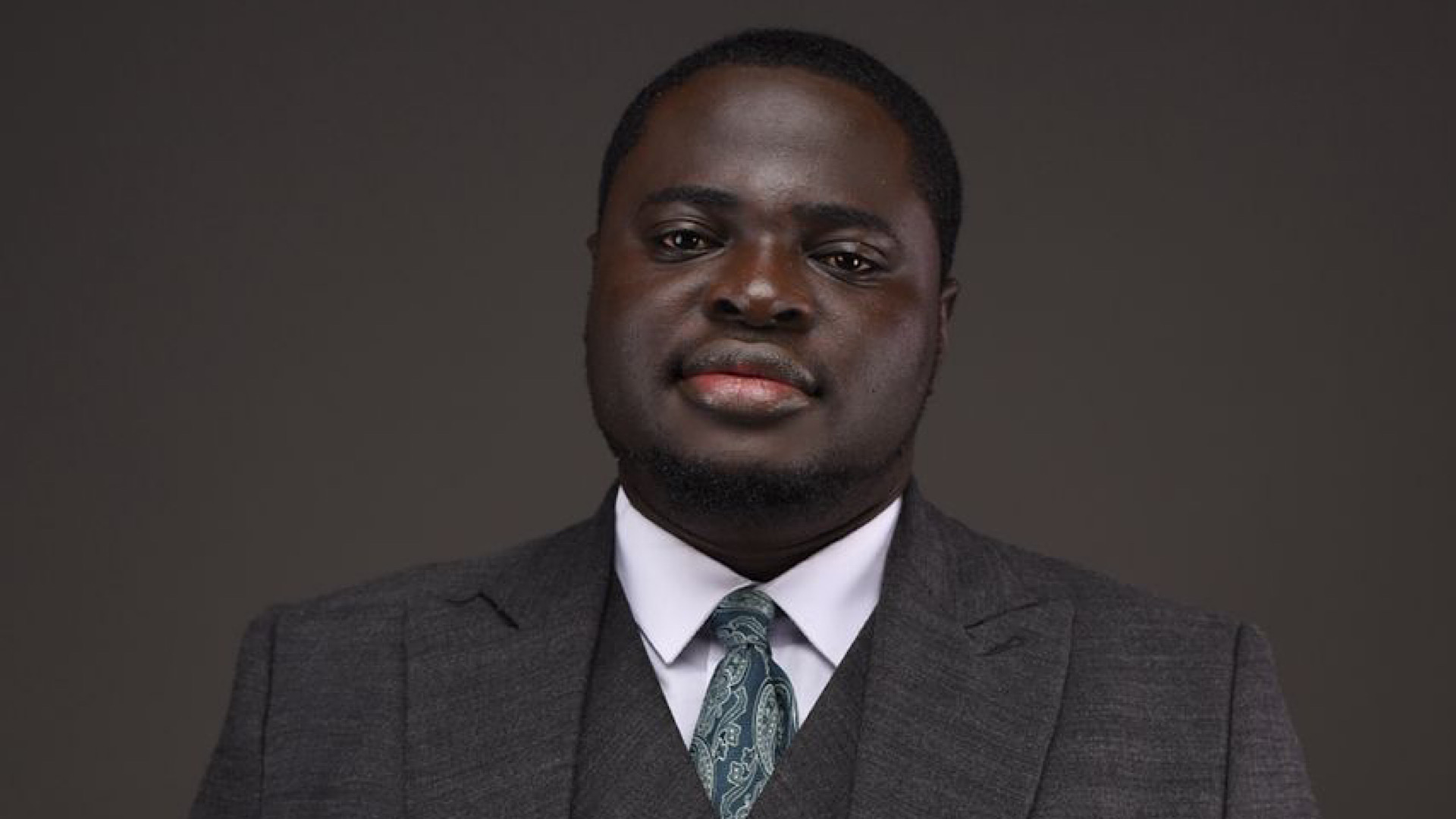
By AfrikTimes spoke with Dr. Taiwo Abiodun-Oni, a Nigerian security analyst and conflict researcher.
Please can you briefly tell us about yourself and your background?
My name is Dr. Taiwo Abiodun-Oni. I am a security analyst and conflict researcher, and over the years, I have focused specifically on the Lake Chad Basin and the security challenges here in Nigeria. I started my academic journey at the University of Ibadan, and from there, I went on to do my postgraduate studies in peace and strategic studies. To be honest, my interest in this field is not just academic; it’s personal. I am Nigerian, I travel through these roads, I interact with our people in the markets, and I have seen, from my observations the fear in people’s eyes when the conversation talks about security. So for me, this is not just about theories and books, it’s about understanding why our brothers are picking up arms against one another, and how we as Nigerians can find our way back to normalcy.
How would you describe the current state of terrorism in Nigeria?
An important question. The current state is what we call a “mutating threat.” On one hand, the military has done a job that is commendable. Boko Haram is no longer holding local governments the way they it was in 2014. You don’t hear of them flying their flags openly in towns like before. But, and this is a big “but” the threat has evolved. It has fragmented. We are now dealing with terrorists, which is even more complicated in different ways. They have shifted from holding territory to surprise attacks, ambushes, Improvised Explosive Device (IED) and exploiting the huge, ungoverned spaces we have. So, while the volume of noise might have reduced in some places, the danger and the ability to strike people such as farmers and travelers is still a reality. The situation is unpredictable, and has not been defeated.
In your view, what are the major factors fueling terrorism in the country?
If I am to summarise it, I would say it is the perfect storm of governance failure and poverty. Look, no child wakes up one day and decides to become a terrorist because they are happy. There is a deep seated frustration. There is massive unemployment, especially in the North-East and North-West. A young man who sees no future of himself, no employment, no access to education, while his leaders are living in luxury. This creates a pool of frustrated youths who are easy victims for terrorists recruiters. Then, you layer on top of that the issue of weak security borders that allow the free flow of small arms and light weapons from the Sahel region. And finally, the climate crisis cannot be ignored. The drying up of Lake Chad has destroyed traditional livelihoods such as fishing and farming, pushing people into poverty and, for some, into the arms of extremists just to survive. It’s a combination of ideology, economy, and environment.
What does the Nigerian Constitution say about terrorism and the protection of citizens?
The constitution, in its beauty, is very clear. Chapter Two, Section 14(2)(b) states that the security and welfare of the people shall be the primary purpose of government. That is the social contract. It means that your life, your property, and your peace of mind are the government’s number one job. Specifically on terrorism, we have the Terrorism (Prevention) Act, which is our main legal weapon. This Act defines what terrorism is, gives law enforcement the power to investigate and arrest suspects, and provides a framework for prosecuting them and freezing their assets. So, on paper, the legal architecture is strong. It outlaws terrorism and mandates the state to protect you. The problem, as we always see, is not the law itself, but the implementation on the ground.
How effective have Nigeria’s laws and security strategies been in addressing terrorism?
On the kinetic side, the military operations of our forces have shown immense bravery and have degraded the capacity of the terrorists which is very important. We must give kudos to our men and women in uniform who are fighting this war daily. However, the non-kinetic side, which is just as important, has been weak. The legal strategies often fall short because of poor intelligence sharing between agencies and the challenge of corruption. You arrest a terrorist financier, but securing a conviction is a huge task. Also, our strategies have historically been too reactive rather than preventive. We are getting better with things like Operation Safe Corridor (for deradicalization), but the justice system is slow, and until we address the root of the problems , the poverty and injustice I mentioned earlier, the laws will only ever be able to manage the problem, not solve it.
What role can communities and citizens play in helping to prevent terrorism?
This war can be won or lost. The government cannot be everywhere at once. The citizens are the ones who know who is a stranger in their community, who knows when a young man has suddenly started living above his means, or who knows the bush paths being used to move weapons. The primary role we must play is intelligence gathering and I don’t mean risking your life, but quietly passing information to the authorities. We need to build trust again. Many communities are scared to talk because they fear the terrorists will find out, or worse, they fear that security agents won’t protect them. We also have a role in social cohesion. Nigerians must look out for each other. If a child is being brainwashed online or in the neighbourhood, we must speak up. Parents must teach their children tolerance and give them hope. The battle against terrorism is not a military parade; it is a conversation in our homes, in our mosques, in our churches, and in our village squares. We must get back our communities from the fringes.