

 By
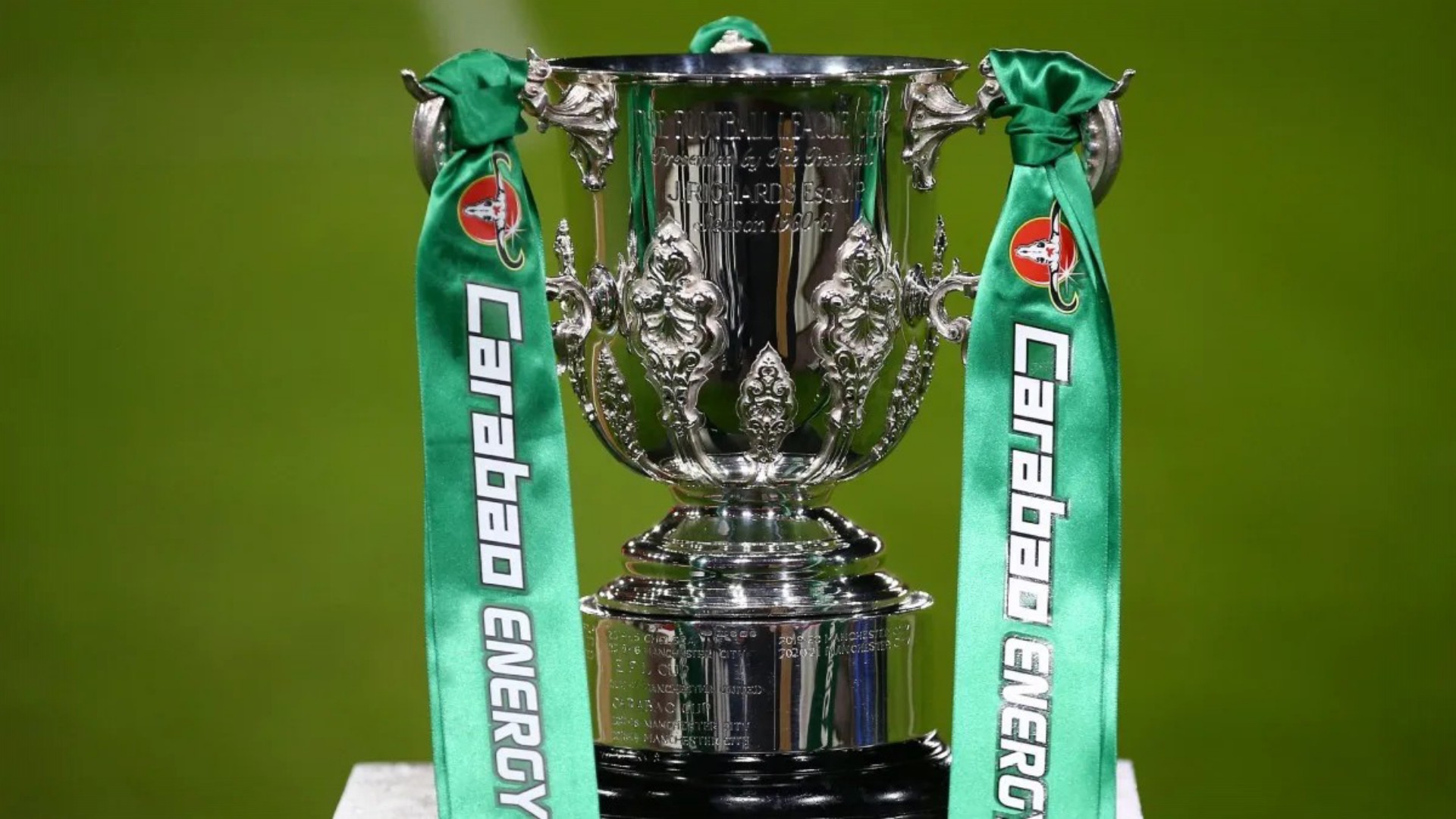
By The moment Arsenal meet Manchester City in the English Football League Cup final at Wembley Stadium on Sunday, March 22, will mark the second meeting between Mikel Arteta and Pep Guardiola in the competition. Their first encounter ended in a resounding 4–1 defeat for Arteta in December 2020, a match played behind closed doors at the Emirates Stadium during the COVID-19 pandemic. That fixture was defined by individual errors and the tactical instability that characterised the early phase of Arteta’s tenure.
Historically, both clubs have shared a rivalry rich in defining moments. Across 214 meetings in all competitions since November 11, 1893, Arsenal have recorded 101 victories to Manchester City’s 65, with 48 matches ending in draws, a record that still tilts favourably towards the North London side. However, recent encounters in the EFL Cup present a contrasting narrative. Since 2009, Arsenal have failed to win any of their last four meetings in the competition, conceding 11 goals while scoring just once.
ROAD TO FINAL
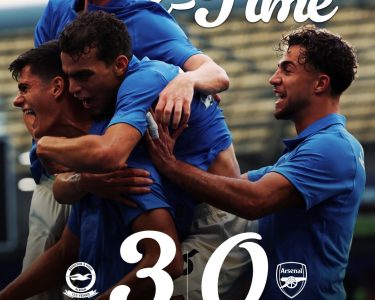
The 2025/26 EFL Cup campaign has demonstrated both clubs’ refusal to treat the competition as secondary, despite demanding schedules in the league and Europe. Arsenal’s journey has been particularly testing, beginning with a disciplined 2–0 away victory over Port Vale, where Eze registered his first goal for the club alongside a composed finish from Leandro Trossard. A similar scoreline followed against Brighton, before a dramatic encounter with Crystal Palace nearly brought their campaign to an abrupt end. A stoppage-time equaliser from Marc Guehi forced the play into penalties, where Kepa Arrizabalaga emerged decisive, ensuring the progression of the team. Arsenal then secured their place in the final with a commanding 4–2 aggregate victory over Premier League side Chelsea.
Manchester City’s route, by contrast, has been marked by control and efficiency. Wins over Huddersfield, Swansea, and Brentford were followed by a dominant semi-final performance against Newcastle, culminating in a 5–1 aggregate victory. The contrast in journeys, Arsenal’s resilience against City’s authority, adds an additional layer of intrigue to the final.
ARSENAL UNDER ARTETA
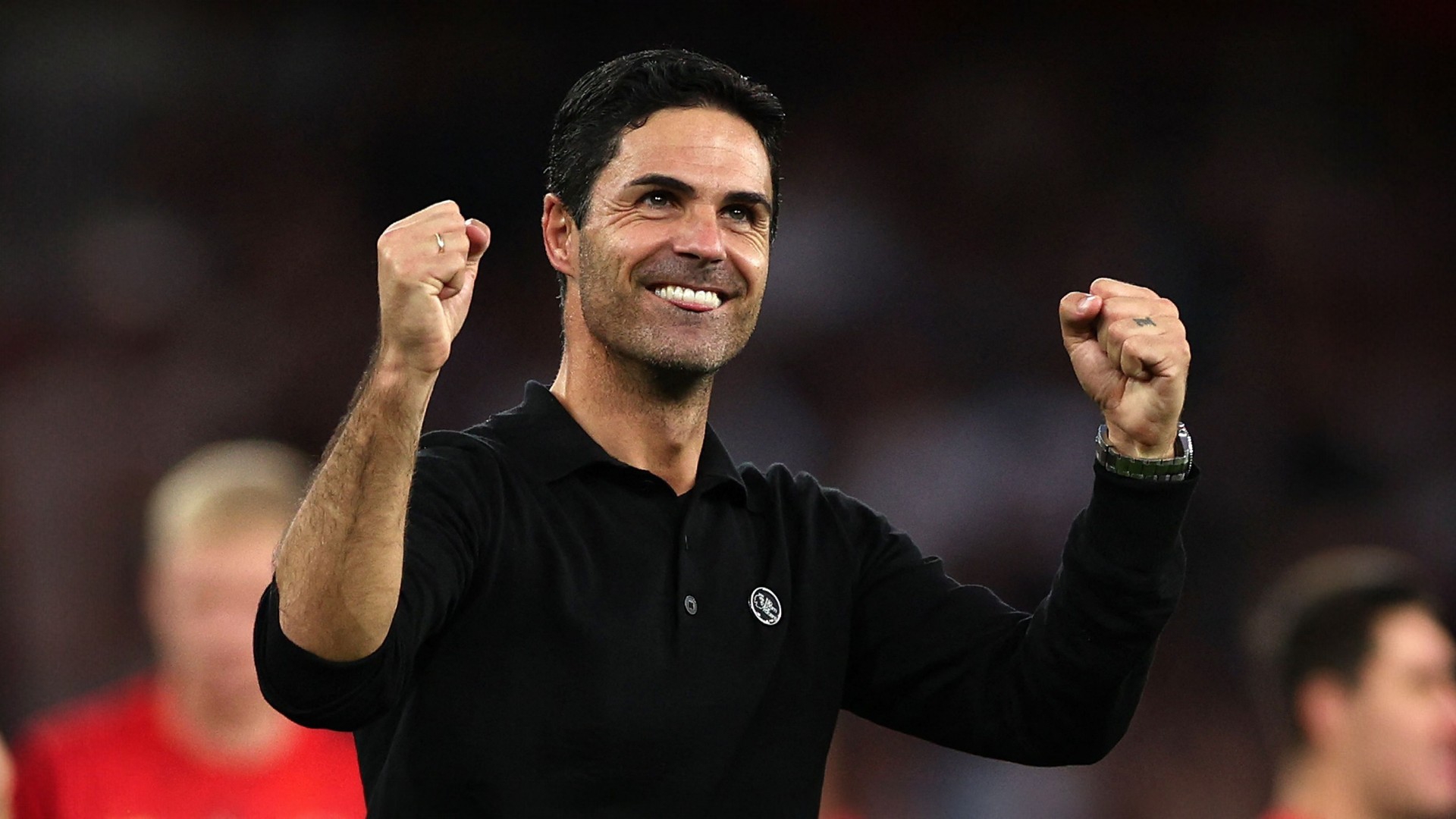
Since his appointment on December 20, 2019, Arteta has secured one FA Cup and two Community Shield titles. While this may not fully reflect the scale of his managerial evolution, Arsenal’s performances over the past three seasons indicate a side steadily approaching elite consistency. Currently leading the Premier League table with 70 points, the club appears increasingly likely to end a league title drought spanning over two decades. With an FA Cup quarter-final against Southampton and a Champions League clash with Sporting approaching, the possibility of a historic quadruple remains within reach. Notably, the EFL Cup represents the first critical step in this journey.
A defining feature of this Arsenal side lies in its tactical versatility. The team has shown an ability to control defensive phases, build from deep positions, and capitalise on set pieces with remarkable efficiency. Under the guidance of set-piece specialist Nicolas Jover, Arsenal have scored 32 goals from dead-ball situations across competitions this season, establishing themselves as one of the most dangerous sides in Europe in this regard.
CITY UNDER GUARDIOLA
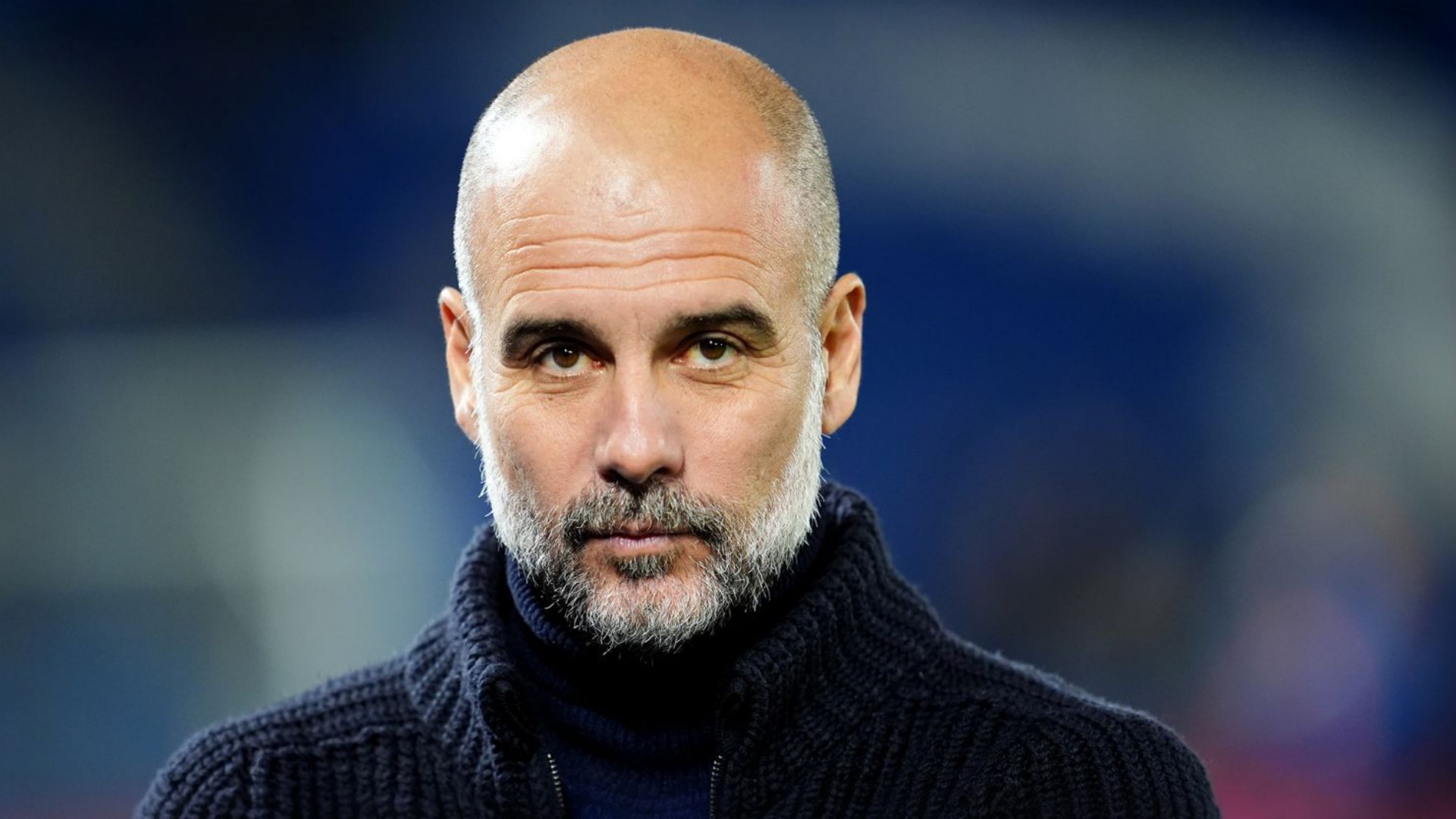
For Guardiola, however, success has long been institutionalised. His tenure at Manchester City has produced an extraordinary collection of honours, including multiple Premier League titles, a UEFA Champions League, and four EFL Cup triumphs, all of which underscore a sustained period of domestic dominance. The addition of Erling Haaland from Borussia Dortmund further elevated City’s attacking dimension, with the Norwegian striker delivering a record-breaking debut season that played a central role in securing a historic treble. He scored 52 goals in all competitions for the club, 35 of which are Premier League’s goals. Yet, recent form introduces a subtle uncertainty, with Haaland scoring only five goals in his last nineteen appearances since Christmas. Here’s a dip that Arsenal’s defensive pairing of William Saliba and Gabriel Magalhães will seek to exploit.
Guardiola will lead his side into their fifth EFL Cup final on Sunday, after winning the trophy in four consecutive seasons between 2018 and 2021 against Premier League leaders Arsenal. The City boss has a 100% record in the EFL Cup finals.
WHAT WINNING MEANS FOR ARSENAL
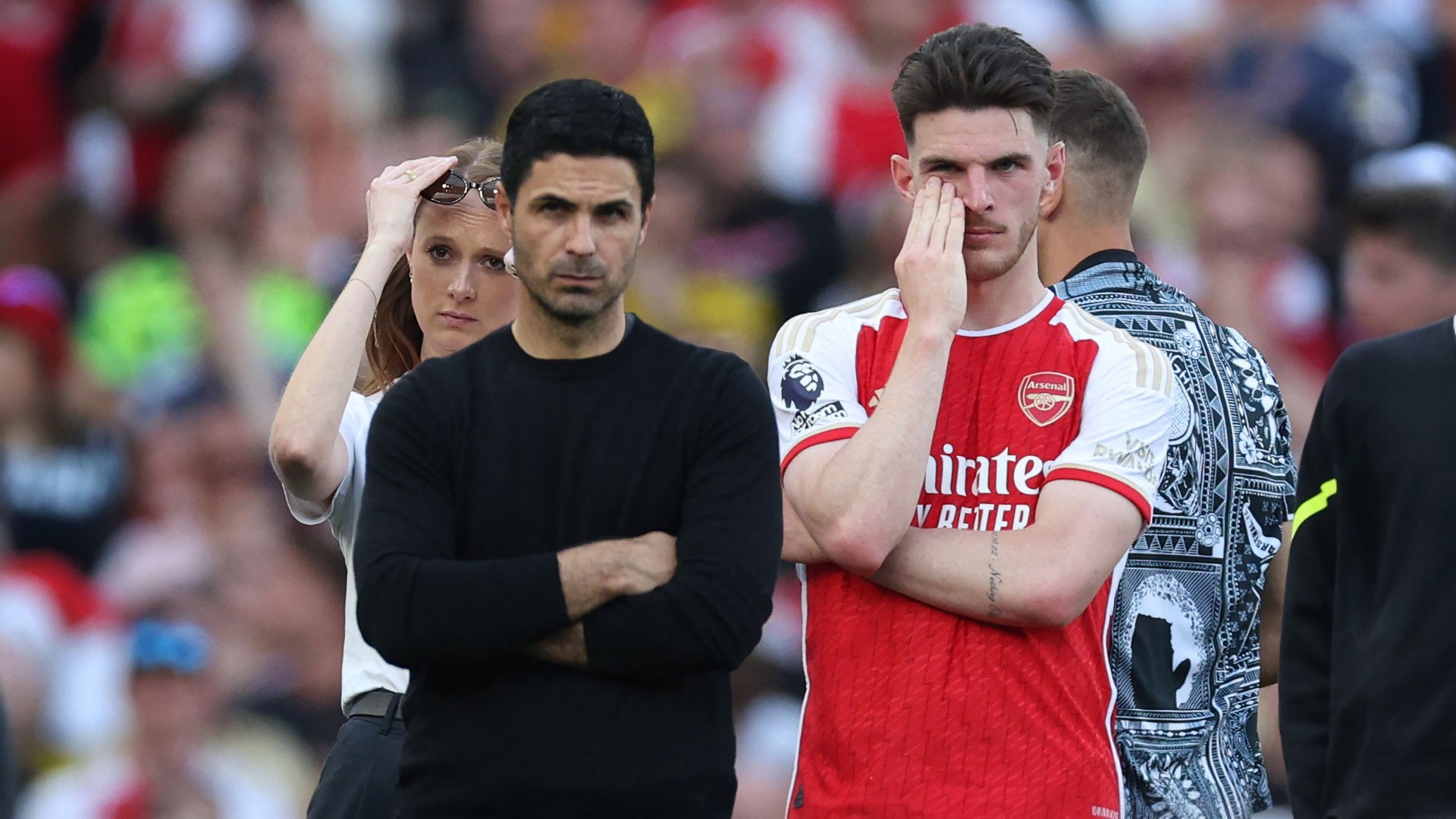
Beyond the tactical and statistical dimensions, the significance of this final is deeply symbolic for Arsenal. The disparity in League Cup titles—Manchester City’s eight compared to Arsenal’s two—remains a point of contention among supporters, particularly given that Arsenal’s last triumph in the competition dates back to 1993. Ending this 33-year wait would not merely add silverware; it would signal the tangible arrival of Arteta’s project. For the manager, it is an opportunity to secure his first major trophy in the current phase of his rebuild and, perhaps, to step out definitively from Guardiola’s shadow.
For the players, victory represents validation of their progression and a foundation upon which further success can be built. For supporters, it offers belief, a proof that the long-articulated “process” is yielding concrete results. In a season where multiple trophies remain within reach, winning the EFL Cup could serve as both catalyst and affirmation to gallantly contest for other cups.
TACTICAL PREVIEW
Tactically, the contest promises to be finely balanced. While Haaland remains a central threat, Arsenal’s defensive organisation has proven capable of limiting his impact. Also, the confirmed selection of James Trafford in goal for Manchester City is perhaps the most significant strategic variable of the final. Trafford’s relative inexperience in high-stakes finals compared to Gianluigi Donnarumma presents an opportunity for Arsenal’s aggressive pressing triggers.
Meanwhile, the emergence of Antoine Semenyo, Jeremy Doke, and Ryan Cherki has provided City with a different profile of attacking midfielders. City are expected to rely on the composure of Rodri and Bernardo Silva in deeper roles to manipulate Arsenal’s press and create spaces for attacking transitions. The selection dilemma in goal for Arsenal, between David Raya and Kepa Arrizabalaga, adds another layer of awaited consideration, with experience likely to influence the final decision. Kepa has proved himself to be a dependable choice for Arteta, defending the goalposts in both EFL and FA Cup matches this season. However, Arteta might not want to take any risks given the match’s importance, so he’ll likely stick with his first-choice keeper and other key players.
Ultimately, this final presents different opportunities for both managers. For Guardiola, it is an opportunity to reaffirm an era of dominance. Guardiola’s challenge will be to restore the familiar order after a demoralising Champions League exit. For Arteta, it is a moment of potential arrival. And for Arsenal, it may mark the beginning of a defining chapter, one that transforms promise into legacy.
As Arteta aptly noted, “It’s going to be one of the defining moments because, at the end of the day, it is about whether you win the trophy or not.”