

 By
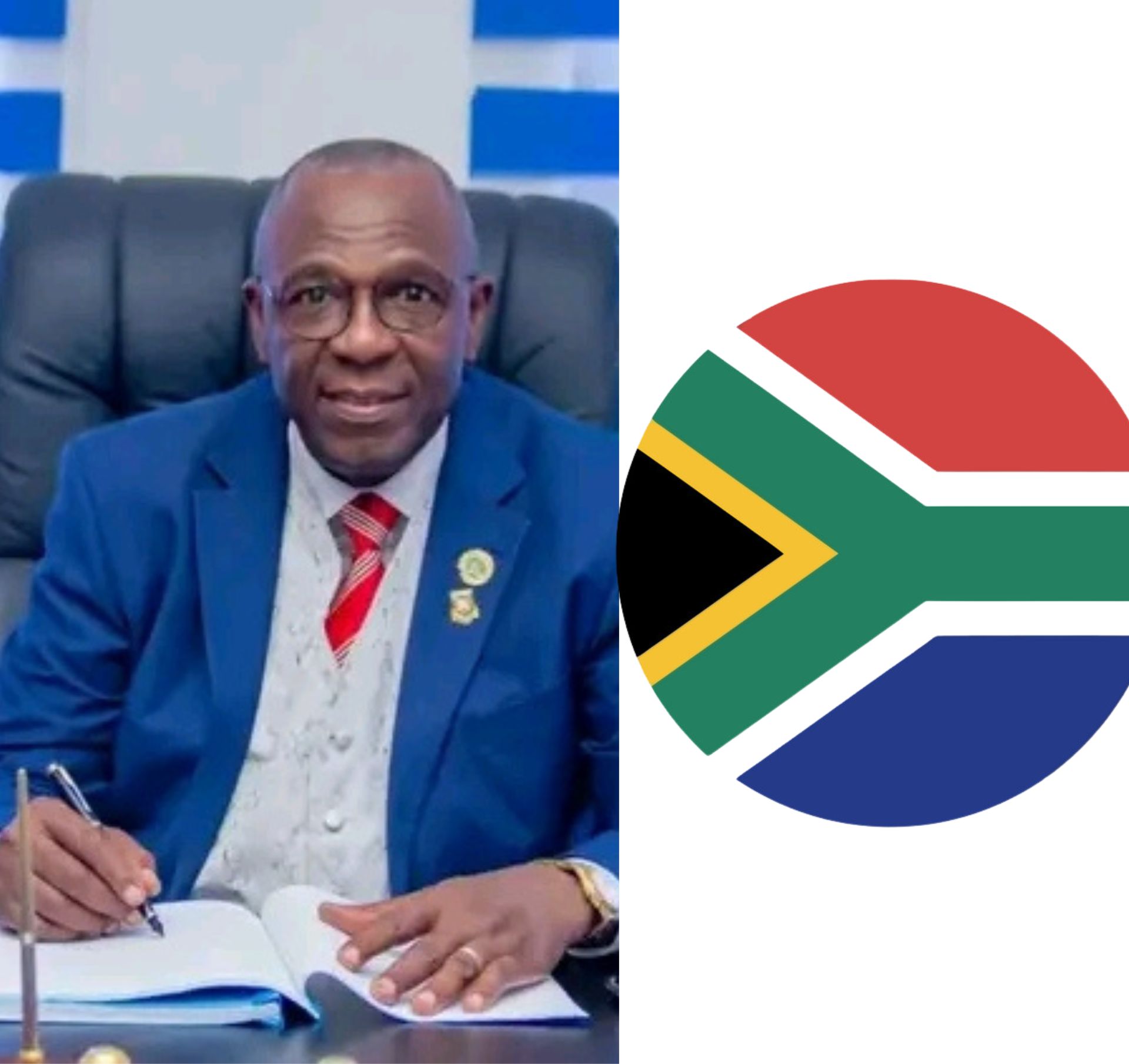
By The Association of African Historians has strongly condemned the recurring wave of xenophobic and Afrophobic violence in South Africa, describing the attacks against African migrants as a betrayal of the continent’s shared struggle against apartheid.
In a statement signed by the President of the association, Christopher Bankole Ndubuisi Ogbogbo, the body expressed outrage over recent attacks targeting foreign Africans in South Africa, which it said had led to deaths, displacement, and destruction of property.
The association accused the South African government of failing to decisively confront the crisis and criticised President Cyril Ramaphosa for what it described as indifference toward the growing violence.
According to the statement, attacks on African migrants in South Africa have persisted since the 1995 Alexandra Township violence, with foreigners often blamed for unemployment and criminal activities. The historians noted that the frequency of such attacks had increased over the past two decades.
The group argued that the violence contradicts the spirit of Pan-African solidarity that sustained South Africa during the anti-apartheid struggle.
“It is intellectually dishonest and morally bankrupt for a nation to enjoy the fruits of a liberation struggle collectively waged with them by a people who they now violently seek to uproot from South Africa.” The statement read..
The association further stated that the attacks dishonoured the sacrifices of anti-apartheid icons such as Nelson Mandela, Walter Sisulu and Oliver Tambo, who championed African unity during the liberation struggle.
The historians reminded South Africans that many African countries played crucial roles in the defeat of apartheid. Countries including Zambia, Tanzania, Zimbabwe and Botswana provided support and safe havens for liberation movements such as the ANC and PAC.
The statement also highlighted Nigeria’s contribution to the anti-apartheid struggle through diplomatic support, financial assistance, and solidarity campaigns. It added that Ethiopia provided military training opportunities for Mandela and other activists in the early 1960s.
The association described South Africa’s democratic transition in 1994 as a collective African victory rather than an isolated national achievement.
Ogbogbo warned that continued hostility toward fellow Africans reflected what he called “collective amnesia” and threatened African unity and progress.
“Violence against a fellow African is a victory for the ghost of apartheid who claimed we could not govern ourselves.” He said.
The association called on the South African government to strengthen educational programmes that promote Pan-African history and unity while also urging citizens involved in the attacks to reflect on the continent’s shared history.
The body added that it was willing to facilitate dialogue initiatives aimed at addressing historical ignorance and promoting African solidarity.