

 By
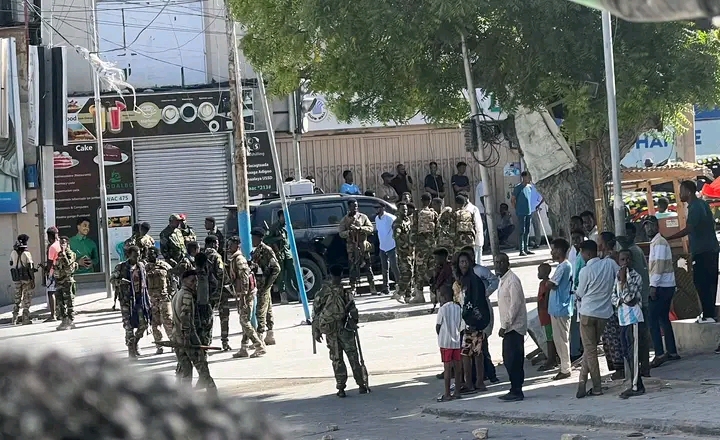
By In the past few days, Somalia’s capital city Mogadishu has witnessed a period of heightened tension and violence. The unrest began on Wednesday evening and continued into Thursday morning when government troops and militias loyal to opposition leaders exchanged heavy gunfire in several districts, particularly Howlwadag and Abdiasis.
The violence erupted ahead of planned anti-government protests scheduled for Thursday. The protests were organized by opposition groups who oppose President Hassan Sheikh Mohamud’s decision to remain in office after his constitutional term expired last month. In March, Parliament approved constitutional changes that could allow the President to extend his term by one year and postpone elections. Opposition leaders, including former President Sharif Sheikh Ahmed and former Prime Minister Hassan Ali Khaire, have condemned these moves as illegal constitutional alterations and a threat to democracy. Both leaders claimed their residences were targeted by government forces during the clashes.
In a report from Prism News, they described that the firefight at Mogadishu lasted about 15 minutes which included rocket- propelled grenades. This episode is the latest sign that Somalia’s constitutional fight has moved beyond parliamentary maneuvering and into direct confrontation.
In a video obtained by Afriktimes, reporters from BBC Africa expressed that fighters exchanged gunfire as a row over election delays escalated. The familiar problem at the crux of this political tension is power. The Government of current president, Hassan Shaykh Mahmud wanted to change the constitution back to a one-person, one vote system while opposition parties want to stay with a format in which elders choose Mps, who ended up selecting the president. The opposition party explained that their agitation was solely because of security challenges, political divisions and a lack of broad agreement on the electoral process. They also opposed a constitutional amendment in March which extended President Mahmud’s term from four to five years. They criticized that since his tenure has ended, he should transfer power to the next person.
One Mogadishu resident told BBC Africa that the government and the opposition party should have a dialogue and agree upon the election.
However, most of the politicians involved in the political tensions are not new to Somali politics. Some have previously served as presidents, Prime ministers, or Senior government officials and over the years political alliances have repeatedly shifted with former allies becoming opponents and former rivals working together again.
A report from BBC Africa stated that ” That cycle of changing alliances is part of what makes Somalia’s political landscape so complex. Young Somali say they want a stable electoral system that all sides accept. They are keen to break the long-standing cycle of political disagreements that return every election session.”