

 By
By The conservative commentator claims Israel’s strategic goal was to expand its influence while weakening Iran, the Gulf and the US military presence
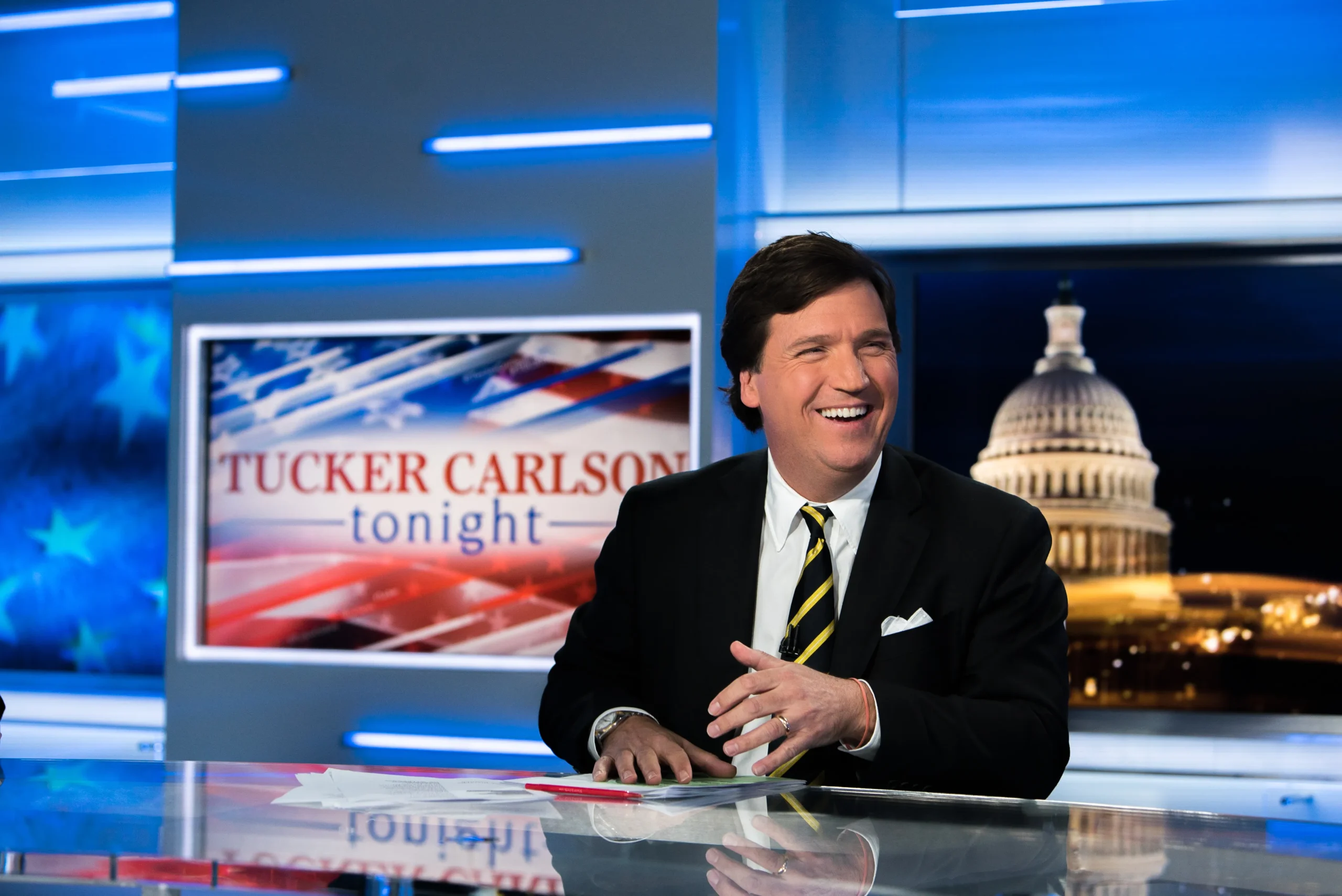
US commentator Tucker Carlson has claimed that Israel launched the war on Iran to weaken Gulf states and get rid of US bases in the Gulf Cooperation Council (GCC) countries, “paving the way for Israeli hegemony”.
The conservative political commentator and journalist made the comments in an interview with Going Underground, arguing that the conflict was driven in part by a broader Israeli ambition to reshape the regional balance of power.
Carlson said he had advised US President Donald Trump on what he called Israel’s strategic objective before the war began.
“I said the point here is Israeli regional hegemony. That’s why they’re pushing for this war on Iran. They want to control their region,” Carlson said.
Israel, he said, wanted to expand its borders while sabotaging Iran and its regional allies, such as Hezbollah and Hamas. “What does Israel want? Israel wants to expand its borders and it doesn’t want Iran getting in the way or its proxies, Hezbollah and Hamas,” Carlson said.
He said Israel also sees the GCC, which comprises Bahrain, Kuwait, Oman, Qatar, Saudi Arabia and the United Arab Emirates, as an emerging challenge because of the economic development in the region.
“It doesn’t want the GCC because they’re building these kind of amazing societies,” Carlson said.
“That’s a massive threat to Israel,” he added.
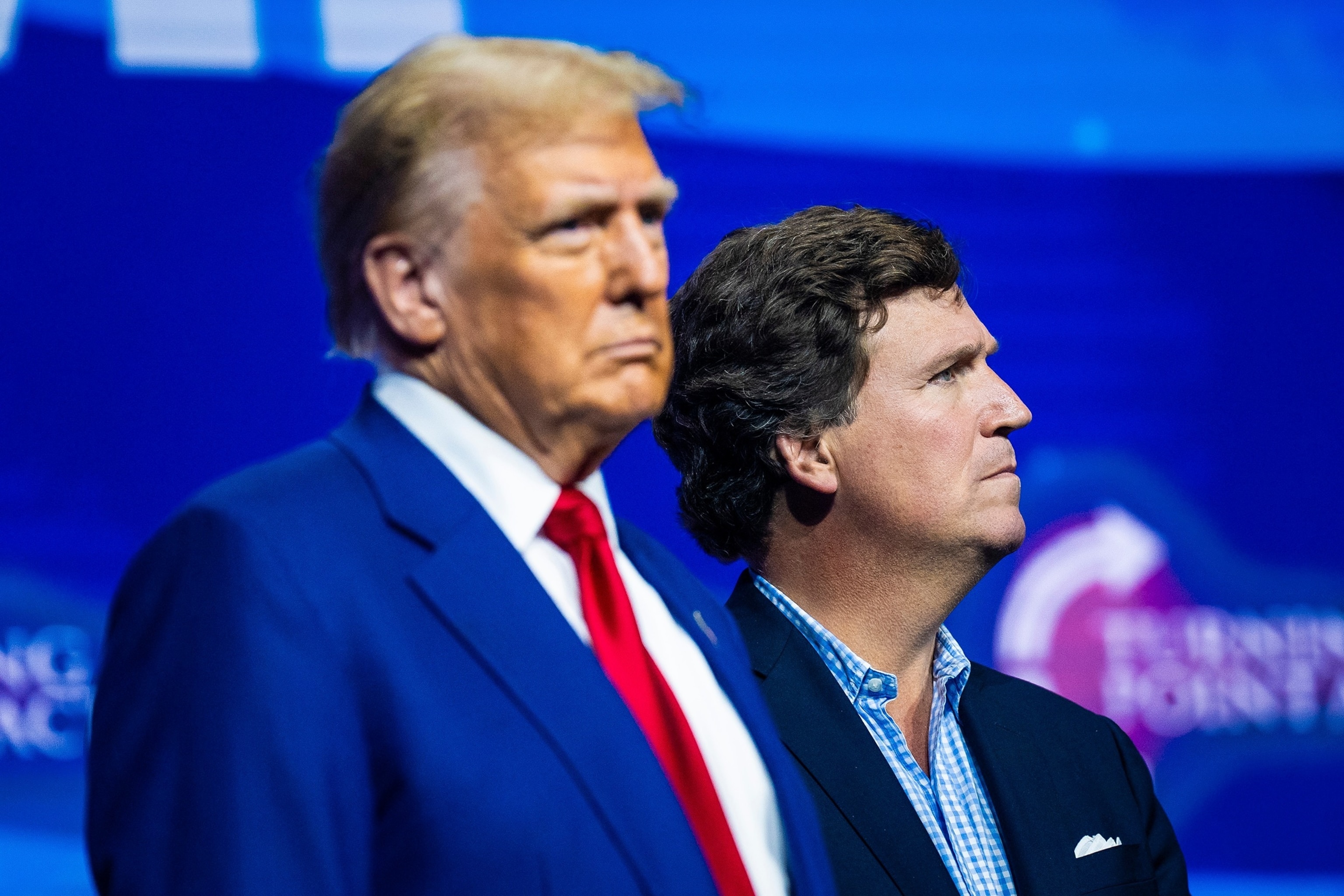 Donald Trump and Tucker Carlson speak at a Turning Point Action Rally in Duluth, GA, Oct. 23, 2024.
Weaken the Gulf
The broader goal of the war, Carlson said, was to weaken Iran as a regional power, diminish the influence of the Gulf states and eventually force the United States to withdraw from the Gulf.
“And this war, the point was to take Iran out as a regional power, take the, you know, scramble the eggs of the GCC, reduce their power and get the United States out of the Gulf,” he said. “I told Trump this. I said, that’s the point. This is actually aimed at us.”
Carlson said he raised it with Trump in the Oval Office around February 20, just as the war was starting.
“I told him that explicitly,” Carlson said, adding that the conversation took place after he had returned from the Gulf, where he had spent a lot of time over the past 25 years.
He also said Trump had personal close ties with leaders in the Gulf.
“Who doesn’t like the Gulf? Everyone who visits likes the Gulf. And Trump does,” Carlson said.
“Trump likes the GCC leaders, they’re incredible, they’re incredibly gracious people,” he added.
That, according to Carlson, made it hard for him to comprehend what happened next.
“Trump had no motive and no desire to hurt,” he said. “And yet he unleashed a sequence of events knowing that this could happen that badly damaged those countries. Why did he do that?”
“That is the question that the American media studiously ignore,” said Carlson. “And I would love to know the answer. And I hope at some point historians find an answer.”
Carlson also questioned the conventional position that a sizable US military presence in the Gulf is inherently beneficial to Israeli interests.
“From an Israeli perspective, those are control mechanisms. Those are leashes that we use to constrain Israeli behaviour,” he said.
“And they don’t want to be constrained because they have a greater vision of their future,” he added.
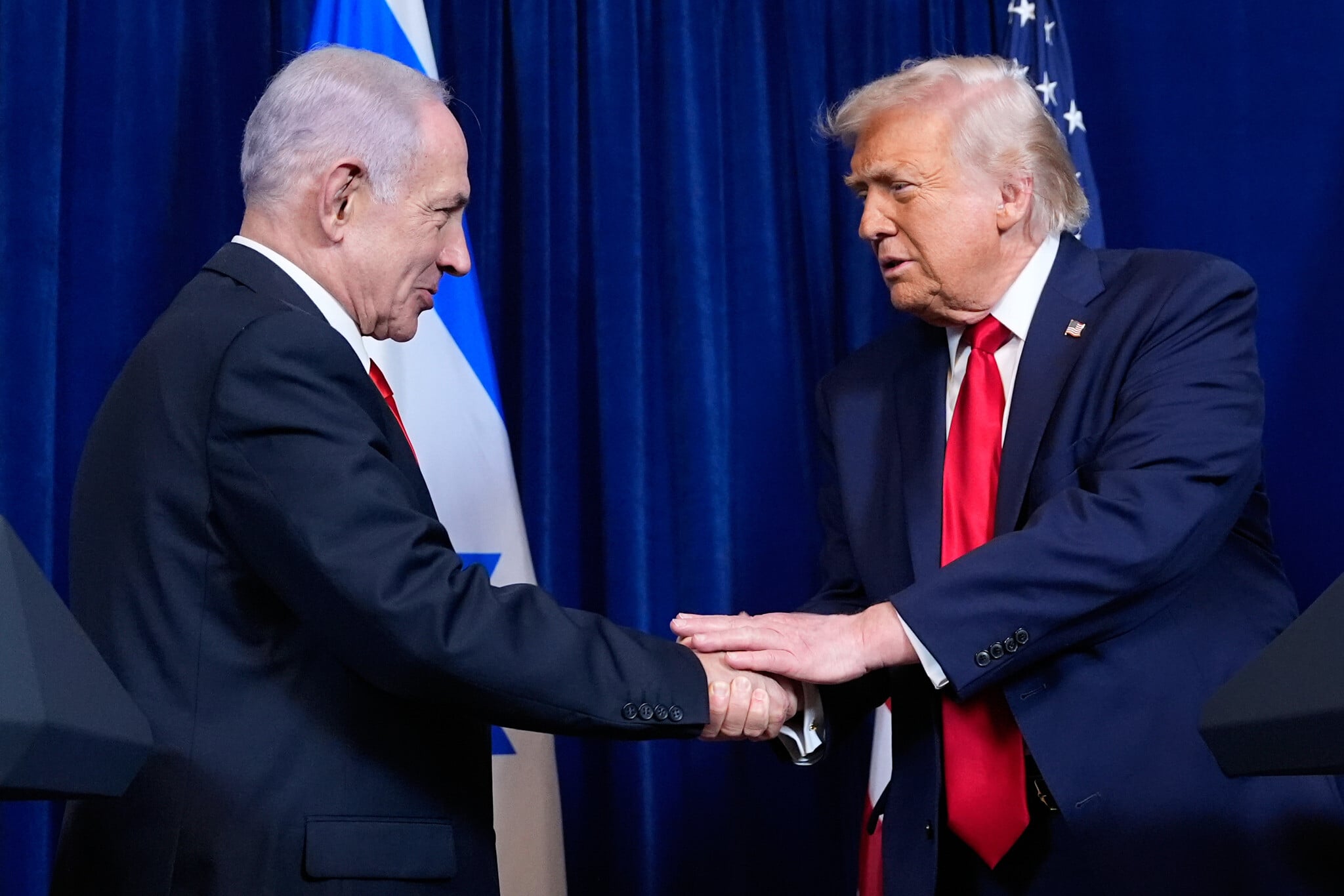 US President Donald Trump, right, shakes hands with Prime Minister Benjamin Netanyahu during a news conference at Mar-a-Lago, on December 29, 2025, in Palm Beach, Florida.
Gulf pays for war
Carlson’s remarks come as the war has put increasing pressure on Gulf states and exposed the vulnerability of their infrastructure and US military bases.
The International Institute for Strategic Studies reported in March that Iran had fired thousands of missiles and drones at all six GCC states since the US-Israeli air campaign started. The attacks were aimed at putting pressure on the Gulf states, spreading the costs of the war, and exposing the limits of Israeli capabilities, according to the report.
Iranian strikes have also inflicted heavy damage on US military facilities in the region.
At least 228 buildings or pieces of equipment at US military sites have been damaged or destroyed since the war started, according to a May report by The Washington Post based on satellite imagery.
After months of Iranian attacks that damaged American bases, the Post reported in August that the Pentagon was also evaluating whether the US should reduce its military presence in the Persian Gulf.
Saudi Arabia recently closed its East-West oil pipeline after drone attacks, which Riyadh blamed on militants based in Iraq, and Houthi attacks have increased the pressure on Saudi energy and security infrastructure.
 A person stands next to a motorcycle as smoke rises in the Fujairah oil industry zone following a fire caused by debris after interception of a drone by air defenses, according to the Fujairah media office, amid the U.S.-Israel conflict with Iran, in Fujairah, United Arab Emirates, March 3, 2026.