

 By
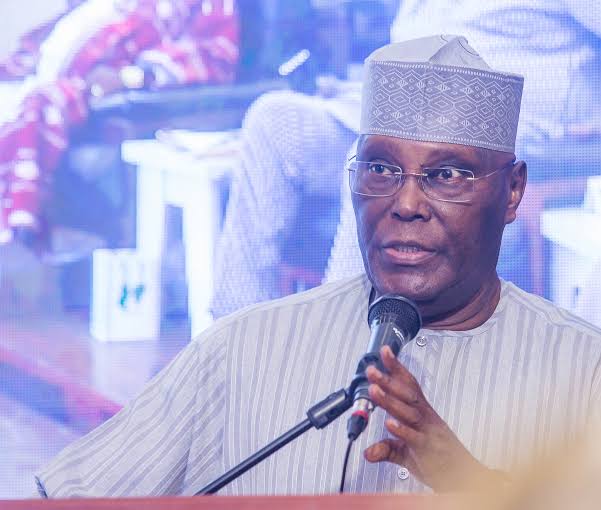
By Former Vice President Atiku Abubakar has raised alarm over reports of young Nigerians selling their kidneys to survive, blaming President Bola Tinubu’s economic policies for a level of hardship he described as frightening.
“Disturbing Stories”
In a post on X on Thursday, the African Democratic Congress presidential candidate said he had come across what he called disturbing stories about how far young Nigerians are being pushed simply to stay afloat, singling out growing reports of young people selling body organs, kidneys in particular, in desperate bids to raise money. He argued that young Nigerians should be selling dreams, ideas and innovation, not parts of their own bodies, and said the trend ought to offend the conscience of every Nigerian.
Atiku cited a figure of N1.7 million as the amount some young Nigerians are reportedly being paid for a kidney, though he did not attribute the number to any specific report or agency, and PUNCH said it could not independently verify the figure at the time of its report.
Linking the Trend to Tinubu’s Economic Record
Atiku tied the phenomenon directly to the rising cost of living under the current administration, pointing to food, transport, rent, school fees, medicine and electricity as basic necessities that have grown steadily less affordable for ordinary Nigerians. He argued that a nation should be troubled by the idea of young people calculating how much their organs are worth just to survive, describing it as evidence of desperation at its most frightening rather than ordinary economic hardship.
While acknowledging that Nigeria already has laws against commercial organ sales and organ trafficking, Atiku argued that legislation alone cannot address the underlying poverty and desperation that leave vulnerable young people exposed to criminal networks. He called instead for economic reforms with what he termed a human face, including affordable food, cheaper transportation, accessible healthcare, decent jobs and renewed hope for the next generation, closing his statement with a direct line aimed at the President, that Tinubu made Nigeria expensive and he intends to make it affordable again.
A Real Case Behind the Claims
Atiku’s remarks land amid a string of recent reports and claims about organ trafficking activity in parts of the country. The Nigeria Police Force recently paraded four suspects, including two nephrologists, in connection with an alleged organ trafficking operation. According to police, one suspect, Emmanuel Ode, admitted to recruiting victims and disclosed that a 22 year old man had been lured to a hospital in Abuja in April, where his kidney was allegedly harvested for 1,250 dollars, an amount police say is roughly equivalent to N1.7 million. Investigators said the alleged syndicate targeted vulnerable and financially desperate young people in Nasarawa State and surrounding areas.
Atiku’s statement adds to a broader wave of criticism from opposition figures over the economic toll of the Tinubu administration’s policies, arriving just as public attention has turned toward organ trafficking following the police’s recent arrests, and as the country continues to grapple with a cost of living crisis that has touched nearly every basic necessity.