

 By
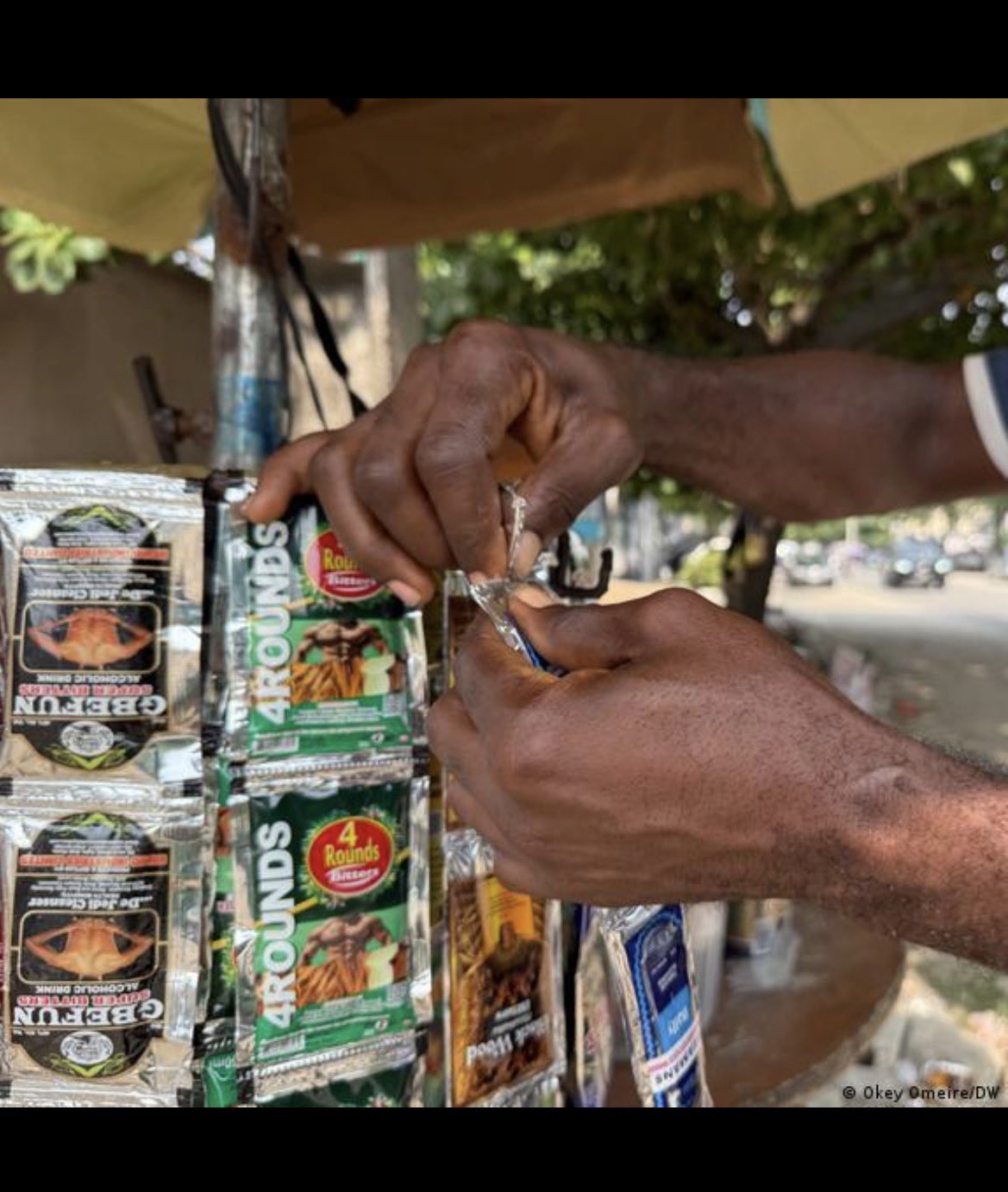
By The National Agency for Food and Drug Administration and Control (NAFDAC) has begun a nationwide operation to remove alcoholic drinks packaged in sachets and PET bottles below 200 millilitres from circulation.
The agency announced the exercise in a statement on Wednesday, describing it as full enforcement of the Federal Government’s ban on the production, importation, distribution and sale of the products. The operation is running simultaneously across the six geopolitical zones and follows the closure of manufacturing facilities found to have breached the ban.
NAFDAC said its enforcement teams were moving through markets, motor parks, retail outlets, bars and other distribution points to identify, seize and destroy affected products. Manufacturers, importers, distributors, wholesalers, retailers, hawkers and transporters still holding stock were directed to surrender it immediately.
The agency warned that continued possession or sale of the banned drinks amounts to a violation of the law and could attract seizure, regulatory sanctions and prosecution.
NAFDAC said the enforcement was not aimed at manufacturers who comply with approved packaging thresholds, but at removing products it described as unregistered, unsafe and illegal. It framed the exercise as a measure to protect children, adolescents and other vulnerable groups from cheap, easily concealed alcohol, while urging responsible consumption among adults.
The ban took effect on January 1, 2026, but its origins run back nearly a decade. Industry groups first approached the agency through the Ministry of Health in 2018 over the alcohol concentration in sachet products, which NAFDAC Director-General, Professor Mojisola Adeyeye, has said ran far above the levels found in beer. The trade bodies argued at the time that restrictions would destroy their businesses, and were granted a five-year moratorium to restructure. That window elapsed in February 2024.
Enforcement gathered pace after the Senate resolved in November 2025 that no further extension should be granted. In March, NAFDAC and the National Orientation Agency flagged off a joint enforcement and public enlightenment campaign, presenting the policy as a public health intervention against underage access to high-concentration alcohol.
The agency said the current exercise is not a one-off, but part of a sustained campaign, and appealed to Nigerians to avoid buying the banned products and to report anyone producing, storing or selling them to the nearest NAFDAC office or through its reporting channels.