

 By
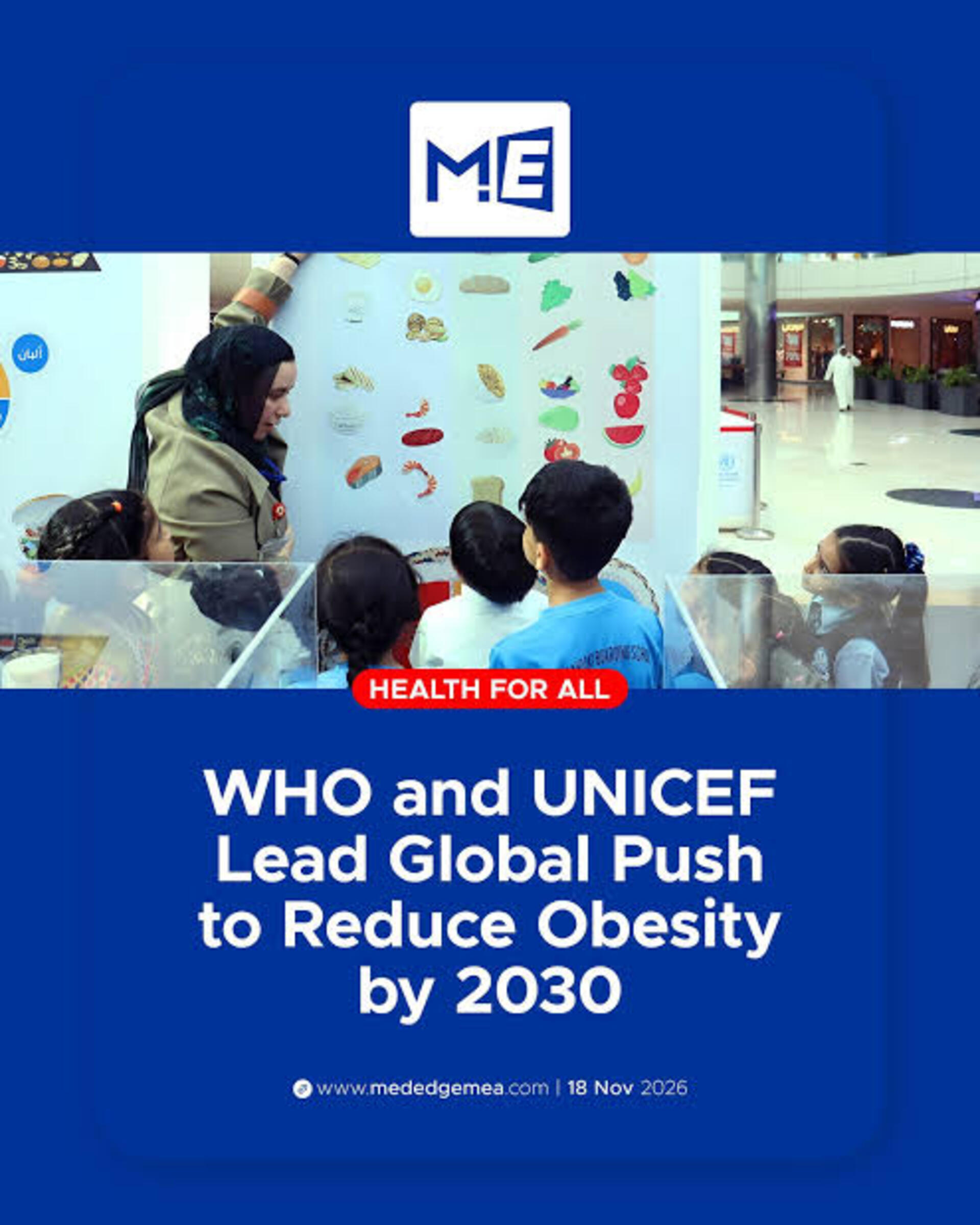
On the 17th of November, 2026, Spain and 20 other countries came together to make a promise with the World Health Organization (WHO) and UNICEF to launch global call to action on obesity titled, “Bending the Curve by 2030”. Their pledge is to cut the national obesity menace rates by 5% by 2030.
The countries that came together are Bahrain, Barbados, Botswana, Brazil, Brunei Darussalam, Egypt, Eswatini, Ireland, Jordan, Malaysia, Mauritius, Mexico, Panama, the Philippines, Portugal, Seychelles, Slovenia, South Africa, Thailand and Uruguay, plus Spain, the WHO’s had announced. Six of these countries are African, a clear perusal of the list revealed that Nigeria, the continent’s most populous country is found wanting on the list.
That however, doesn’t translate to mean Nigeria is doing nothing. Of course, not. All 20 countries come from the first group of 34 “frontrunner” nations as announced by the WHO, so the list shows the countries that has stepped forward. Whether Nigeria is part of the remaining 14 countries, is not known.
Why the world is in a hurry to reduce obesity
According to WHO, more than 1 billion people now live with obesity. That translates to 1 in 7 people on Earth. Since 1990 alone, the rate is not twice among adults and quadrupled among adolescents. And in 2025, for the first time, obesity overtook underweight as the most common form of malnutrition among children and adolescents aged 5 to 19.
Obesity is not limited to body size; it as a chronic disease that raises the risk of heart disease, diabetes and some cancers. In a country with an already stretched health system, a rise in such illnesses is a heavy load for hospitals and for families who pay out of pocket.
WHO chief Tedros Adhanom Ghebreyesus said the rise of obesity is not inevitable. Spain’s health minister, Mónica García Gómez, said success would be judged by whether policies reach schools, neighbourhoods and families who face the greatest barriers to healthy food. In October, WHO also issued its first global guidelines on child and adolescent obesity.
Nigeria’s numbers tell their own story
WHO-based estimates put adult obesity in Nigeria at about 13.7% in 2024. In 2013, it was about 9.1%. In 1980, it was just 1.3%. Year after year, the line has been moving in one direction.
A 2021 study that pooled results from 35 earlier studies estimated that about 12 million Nigerians aged 15 and above were living with obesity in 2020. About 21 million more were overweight. Obesity was more common among women than men, and more common in cities (14.4%) than in rural areas which data says it is 12.1%
The authors added a warning. Nigeria’s public health response to obesity was low, they wrote, partly because experts lacked a clear picture of the problem.
The future looks heavier still. The World Obesity Atlas 2024 projected that the number of Nigerian adults with a high body mass index would grow by about 5.5% a year between 2020 and 2035.
Young people are part of this story. Nigeria’s 2024 Demographic and Health Survey measured women and adolescents, and its results are tracked on the Global Obesity Observatory. A 2024 study of teenage girls called overweight an emerging but under-reported problem in Nigeria.
The ten-naira tax to reduce obesity
Nigeria had not been sleeping on the move to reduce the percentage of obesity. One of the best-known moves against obesity is a tax on sugary drinks. Written into the 2021 Finance Act, it charged ₦10 per litre on sweetened, fizzy, non-alcoholic drinks since 2022. It was reported to be the first such tax in West Africa. South Africa was the first in the Entire Africa.
This has not, however, been met without criticism. For example, the advocacy group CAPPA advocates that the tax equals about only 1% of the average retail price of a litre of sugary drink, which it puts at ₦1,000 or more. It wants the rate raised to at least ₦130 per litre, in line with WHO advice that such taxes should lift retail prices by 20% to 50%.
CAPPA has also argued that weak enforcement costs Nigeria more than ₦200 billion a year.
Recent reports say the Senate has approved a new system that would replace the flat ₦10 with a percentage of the retail price, so the tax rises when prices rise.
South Africa’s Method
South Africa, one of the six African signatories, introduced their first major levy based on sugar content in April 2018, at about 11% of the price per litre.
An analysis of excise data by Berkeley researchers also found that between 2018 and 2022 alone, sugar cleared through taxed drinks fell by nearly 45%, from about 20,000 to 11,000 metric tonnes a month, though the authors stress that people can switch to other sources of sugar. A synthesis of South African studies found purchases fell more among lower-income households, the groups carrying more of the obesity burden.
Researchers, however, noted that the government did not raise the rate and cited forecasts placing South Africa tenth in the world for childhood obesity by 2030. While a tax works. A tax alone does not finish the job of reducing obesity in the world.