


 By
By By: Lawrence Oseghale and Aderohunmu Abdulrokeeb
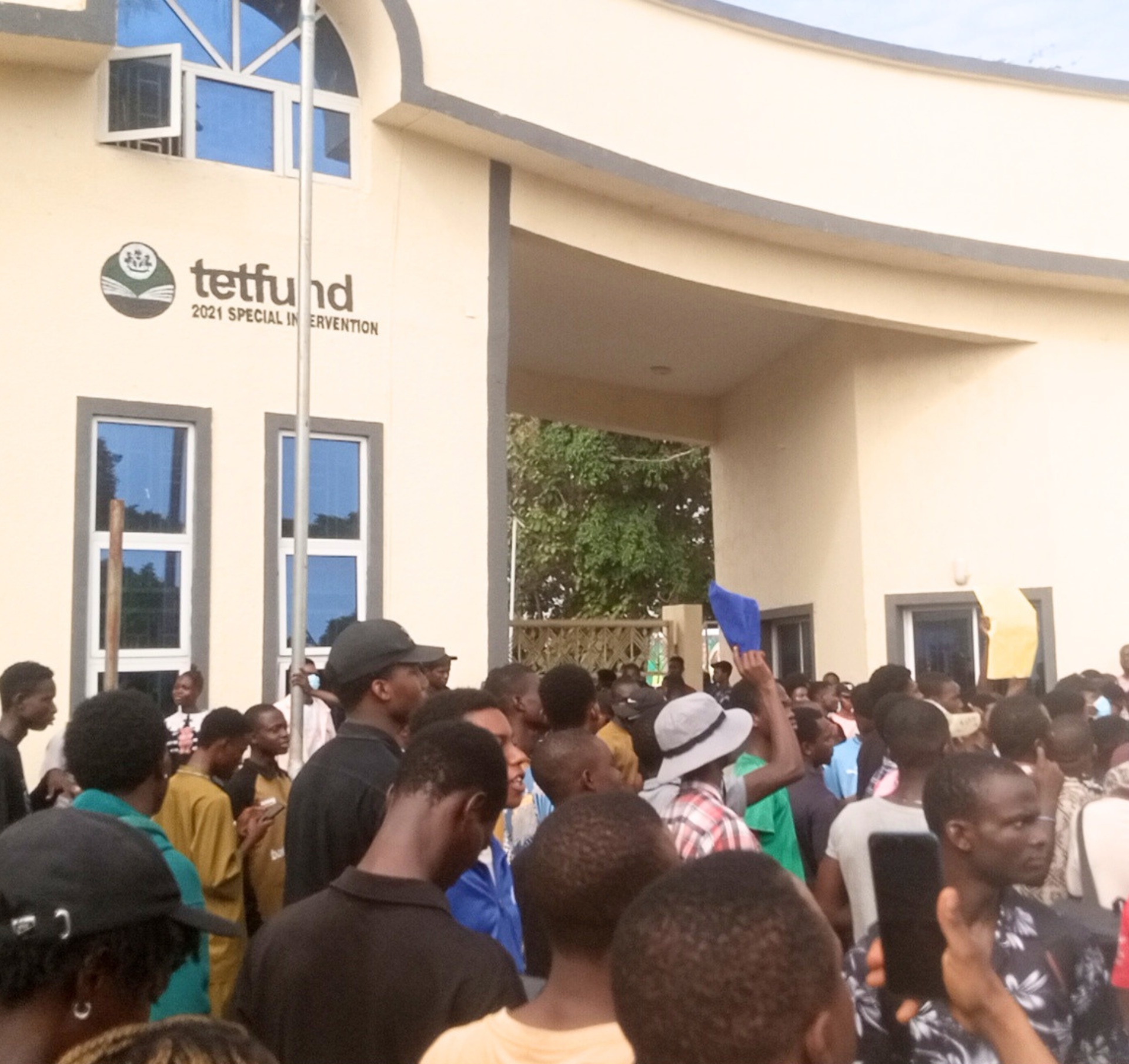
The recent protest at Obafemi Awolowo University (OAU), Ile-Ife, and the subsequent shutdown of the institution highlight a troubling pattern increasingly common in Nigerian universities. This development mirrors a similar incident at the University of Ibadan, where academic activities were suspended for three weeks and students were ordered to vacate their hostels within 48 hours.
Earlier reports revealed a buildup of unresolved issues that heightened tensions and ultimately sparked student agitation. Central among the concerns raised by the OAU Students’ Union were the introduction of a new transportation system perceived as financially burdensome, particularly for off-campus students and the abrupt directive ordering occupants of Blocks 7 and 8 of Awolowo Hall to vacate due to time-bound renovations without alternative accommodation, and irregularities associated with newly introduced features on the university’s e-portal.
Following a meeting with university management, the Students’ Union rejected the proposed solution of sourcing private investors to expand the campus transport system. In a statement dated April 25, the Union noted that while students had exercised patience in accommodating institutional development policies, such patience had been stretched to its limits, warning that continued pressure could lead to unrest and a loss of confidence in union leadership.
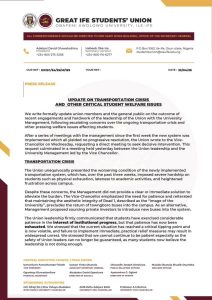
The Union also strongly criticized the directive for students in Blocks 7 and 8 of Awolowo Hall to vacate mid-semester without adequate notice or contingency plans. It described the move as poorly executed and financially insensitive, especially in light of the ongoing transportation challenges.
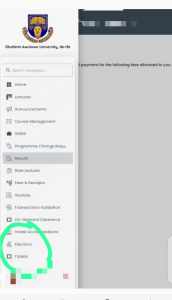
On the issue of the university’s e-portal, the Union flagged several irregularities, including the timing of the upgrade in the middle of the academic session, which could disrupt course registration and payments. Of particular concern was the introduction of a feature requiring students to pay before accessing their results. While the ICT unit reportedly assured that the upgrade would be completed within 72 hours, this claim could not be independently verified at the time of filing this report.
The Union issued a 48-hour ultimatum to the management, demanding immediate action on the transportation crisis and a reversal of the Awolowo Hall evacuation directive, warning that failure to comply would lead to further collective action.
According to the Union’s Public Relations Officer, Oreoluwa Joseph, the newly introduced transportation system has significantly increased costs and caused delays. He explained that off-campus students now incur higher expenses, moving from a single N250–N300 trip to a costing up to N400 or more.
”On a normal day, back then, we had student from town coming onto campus with as low as N250 or N300, but now you expect them to take N100 shuttle from the bus park to the campus gate and then stepping outside you’re taking a different toll of N400 to N500 to wherever you are going” the PRO said
Students are now required to use CNG-powered buses and tricycles, introduced under the “Renewed Hope Initiative” from the central park near the Ken Saro-Wiwa Students’ Union Building to the campus gate at N100, after which they must board commercial vehicles outside the campus at additional cost of N400 or more. The Union alleged that commercial drivers increased fares in response to being restricted from operating in the campus. Compounding the issue is the insufficient number of CNG buses, leading to delays and overcrowding.

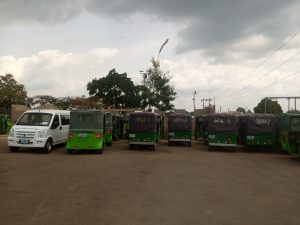
While acknowledging the initiative as innovative, the Union’s Vice President, Iyanuoluwa Falade, argued that the new system should have been introduced alongside the existing one to allow for a smoother transition.
”This benevolent act is an innovation we as students appreciate, but when introducing it, you allow it to work with the exiting system” the vp stated.

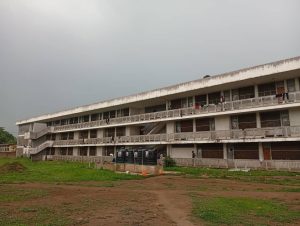
Further findings revealed that although only Blocks 7 and 8 of Awolowo Hall were affected, students in these sections were unprepared for relocation, with no alternative arrangements provided. The disruption, occurring mid-semester, has significantly impacted students’ academic stability.
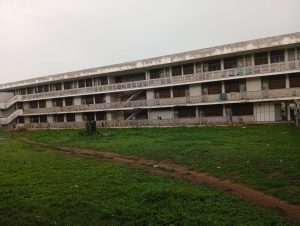
A visit to the hall showed reluctance from hostel student leaders to comment, with the Hall Chair stating that all relevant discussions had already been addressed during Congress. The controversy surrounding the TETFund-backed renovation and the eviction process remains unresolved.
In response to the protest, the university management announced an immediate suspension of academic activities and directed all students to vacate the campus. The statement, signed by the institution’s Public Relations Officer, Abiodun Olarewaju, alleged that the protest led to unrest and harassment of road users.
“To restore order, ensure safety, and create an enabling environment for dialogue, Senate has approved a three-week break with immediate effect,” the statement read.
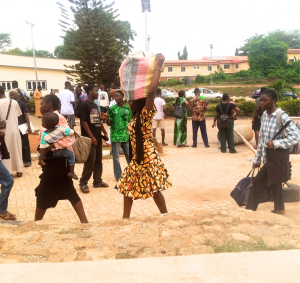
However, the Students’ Union refuted these claims, insisting that the protest was peaceful and confined within campus grounds. In a counter-statement released on April 28, the Union described the management’s account as a misrepresentation, asserting that no major roads were blocked and no harassment occurred. The Union further called on alumni and the general public to support their cause, describing the situation as unjust treatment of students advocating for their rights.
In a show of solidarity, the National Association of Nigerian Students (NANS), South-West Zone D, led by Comrade Josiah, mobilized to the campus gate, demanding a reversal of the shutdown and vowing continued protest until their demands are addressed.
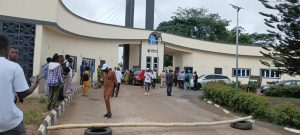
As of the time of filing this report, there has been no official update from the Students’ Union outlining its next steps. Meanwhile, students have begun vacating the campus in masse amid reports of forced evictions from halls of residence.