

 By
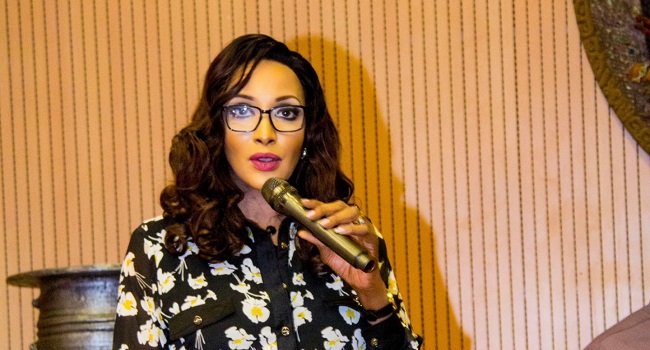
By Nigeria’s Foreign Affairs Minister, Ambassador Bianca Odumegwu-Ojukwu, has put foreign diplomatic missions on notice that disparaging comments or unsolicited lectures about Nigerian democracy will not be welcomed as the country heads toward its 2027 general elections.
Speaking Thursday at a diplomatic briefing with the Diplomatic Corps at the Ministry of Foreign Affairs in Abuja, the minister described Nigeria as Africa’s largest democracy and argued that developments within the country carry weight well beyond its borders, which is why she wants foreign missions to tread carefully and respect established diplomatic channels rather than freelancing commentary on the country’s political process. She was direct in cautioning that the ministry would not look kindly on unguarded remarks or lectures on democracy from outside observers. At the same time, she sought to reassure the diplomats that the Tinubu administration remains committed to delivering an election that is peaceful, free, fair and credible.
The briefing marked her first formal engagement with the Diplomatic Corps since taking office, and she used it to call for closer cooperation between the ministry and foreign missions built on frank dialogue, mutual respect and adherence to proper diplomatic procedure.
A Bridge, Not a Barrier
On the practical side of diplomacy, Odumegwu-Ojukwu asked that official communications and requests intended for the Presidency and other government bodies be routed through the Ministry of Foreign Affairs, framing the ministry’s role as one of facilitation rather than obstruction between foreign missions and the Nigerian government. She also flagged plans to revive dormant Joint Commissions and Bi-National Commissions to reinvigorate bilateral cooperation across trade, investment, security, education, technology, health and agriculture, arguing that the real measure of any diplomatic relationship should be the tangible progress and opportunities it delivers rather than the number of meetings held.
Foreign Policy Built on Four Pillars
The minister reiterated that Nigeria’s foreign policy under President Tinubu rests on what she called the four Ds, namely demography, development, democracy and diaspora, with the underlying goal of keeping ordinary Nigerians at the centre of the country’s international engagements while staying committed to Africa and the wider global community. She was careful to frame the country’s pursuit of strategic autonomy in international affairs as distinct from isolation, describing it instead as Nigeria preserving its sovereign right to choose which relationships and positions best serve its people.
Consular Concerns and Visa Delays
Turning to consular matters, the minister pressed for greater efficiency in handling diplomatic correspondence, document authentication and visa processing on both sides. She specifically appealed to foreign missions to reconsider lengthy visa processing times for Nigerian applicants, acknowledging every country’s sovereign right to set its own visa policy while noting that excessively long waits create real hardship for legitimate travellers, students, businesspeople and families trying to plan their lives.
Security Assurances and Cultural Diplomacy
Odumegwu-Ojukwu also addressed the safety and welfare of diplomatic personnel directly, assuring the Corps that Nigeria takes seriously its obligations under the Vienna Conventions to protect diplomats, their families and their premises. She encouraged envoys to raise any security concerns promptly so the ministry can engage the relevant government and security agencies, expressing hope that diplomats would leave their postings in Nigeria with positive memories of the country. She additionally urged diplomats to experience Nigeria’s cultural richness beyond the confines of official engagements.
Commitment to Multilateral Engagement
Closing out her remarks, the minister reaffirmed Nigeria’s continued commitment to dialogue, multilateralism and peaceful dispute resolution through its work within ECOWAS, the African Union, the United Nations, the Commonwealth and other international bodies, while pushing for Africa’s voice to carry more weight in global decision-making. She framed Nigeria as open to trade, investment, tourism, technology and genuine partnerships, provided such engagements are grounded in reciprocity, sovereign equality and mutual respect, particularly at a moment when she said no single country can tackle challenges like terrorism, climate change, cyber insecurity and irregular migration alone.