


 By
By The Nigeria Senate on Wednesday, June 12, 2026, approved the Constitution Alteration Bill proposing the establishment of state police, moving Nigeria closer to adopting a decentralised policing system aimed at tackling the country’s worsening security challenges.
The bill secured the support of more than two-thirds of senators after a clause-by-clause consideration and a manual voting process during plenary, according to The Punch.
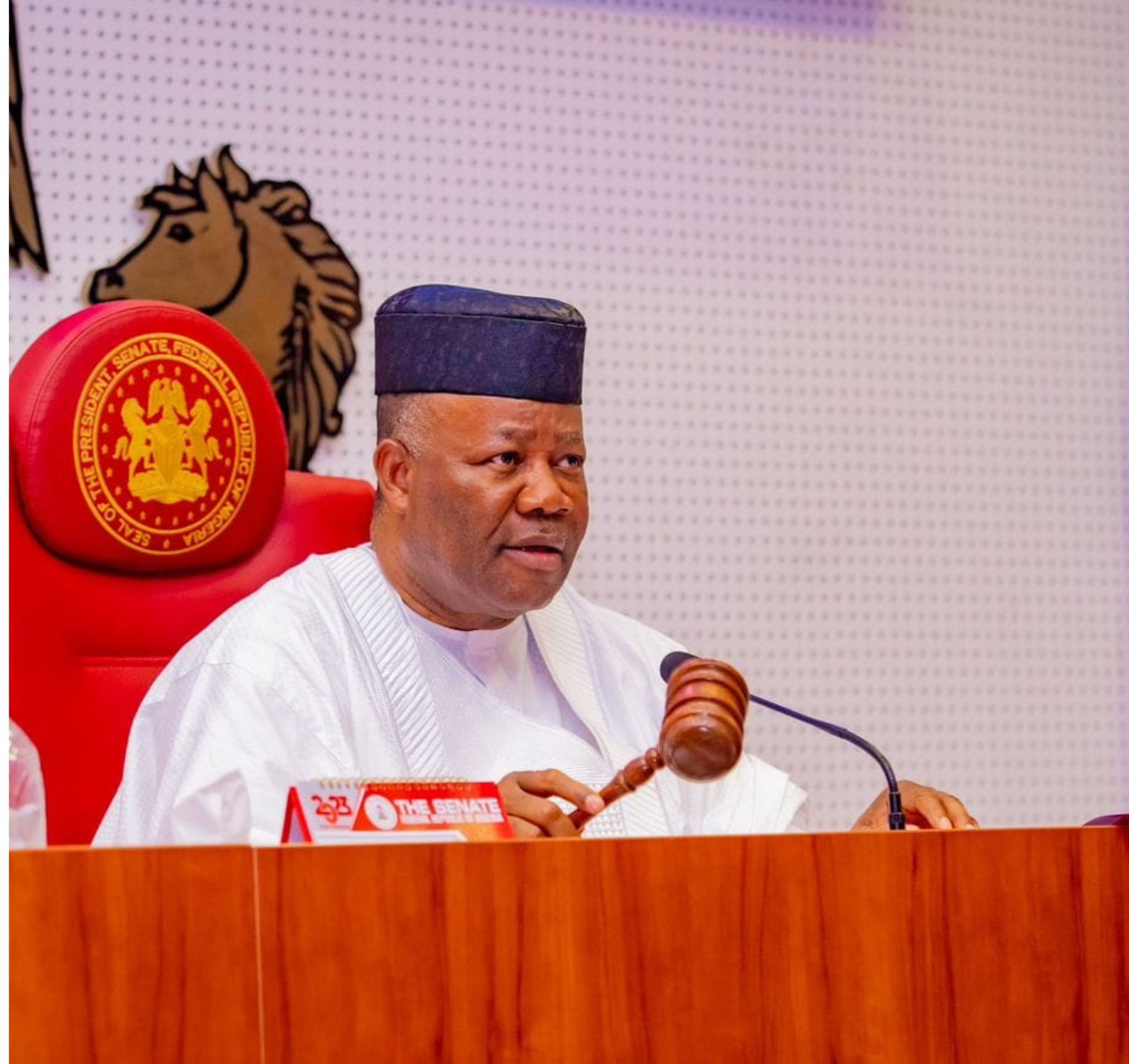
Senate President Godswill Akpabio announced the passage of the legislation after lawmakers overwhelmingly endorsed the proposal. The bill was considered following the presentation of the report by the Senate Committee on the Review of the Constitution, chaired by Deputy Senate President Barau Jibrin.
Speaking during the debate, Senate Leader Opeyemi Bamidele urged lawmakers to back the amendment, describing it as a major security reform capable of improving responses to local threats across the country.
A key provision of the bill gives state governors the authority to appoint Commissioners of Police for their respective states, subject to confirmation by the state Houses of Assembly.
Another provision allows governors to issue lawful written policy directives to state Commissioners of Police on matters relating to public safety and order within their states.
To address concerns over possible political misuse of state police, the Senate also inserted safeguards into the proposed amendment.
The bill states that state police authorities must not arrest, detain, investigate or deploy force against any individual, political party or group solely for criticising the government except in accordance with the law.
Before the vote, the Senate abandoned plans to use an electronic voting system after technical issues were reported. Lawmakers instead opted for a manual voting.
Akpabio supported the switch, saying the open voting method would guarantee transparency and allow Nigerians to know the position of their elected representatives on the constitutional amendment.
Several top government officials, including Kaduna State Governor Uba Sani, Ogun State Governor Dapo Abiodun, Ondo State Governor Lucky Aiyedatiwa and the Chief of Staff to the President, Femi Gbajabiamila, were present in the chamber during the proceedings.
The Senate’s approval marks a significant milestone in the constitutional amendment process. However, the proposal must still receive the endorsement of at least two-thirds of the 36 state Houses of Assembly before it can be transmitted for presidential assent and become part of the Constitution.
For years, supporters of state policing have argued that Nigeria’s centrally controlled police structure is overstretched and unable to effectively confront insecurity, including terrorism, banditry, kidnapping and communal violence. Critics, however, have maintained that the system could be exploited by state governments to suppress political opposition despite the safeguards contained in the bill.